The Ultimate Indulgence: Sticky Toffee Layer Cake with Salted Caramel Frosting 🍰🍮
There are desserts that are simply sweet, and then there are desserts that wrap you in a warm embrace, whisper comforting nothings, and make the world outside disappear for a few blissful moments. This Sticky Toffee Layer Cake belongs firmly in the second category. It is the sophisticated, high-rise cousin of the humble English classic, Sticky Toffee Pudding. Imagine the deep, treacle-like richness of dates and brown sugar transformed into a fluffy, moist sponge, then sandwiched between layers of velvety salted caramel buttercream and crowned with a drizzle of liquid gold.
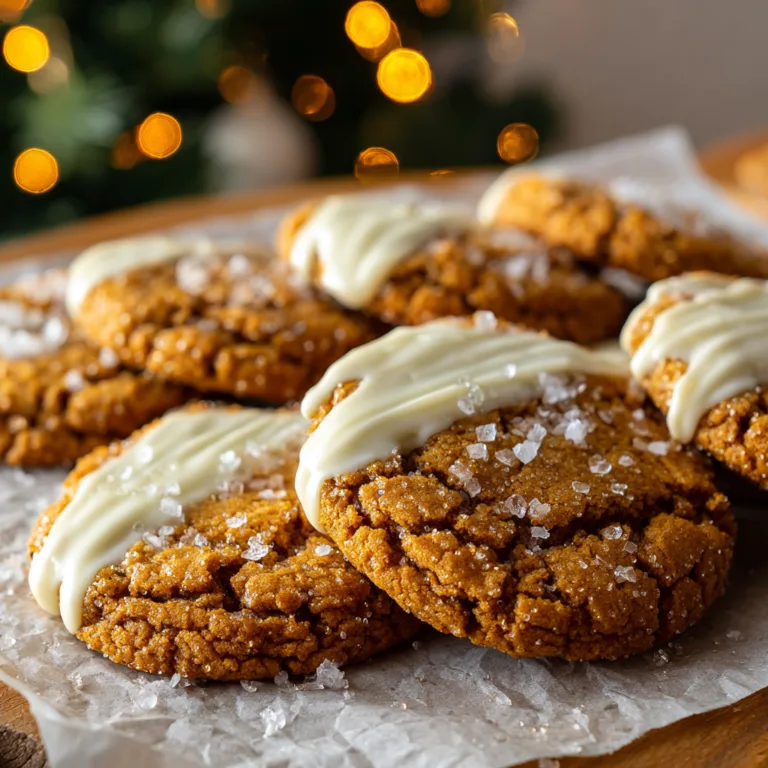
This cake is not for the faint of heart or those counting calories. It is a celebration of flavor, texture, and the sheer joy of baking. The image of the slice above captures the essence of this treat: dark, dense, and dripping with indulgence. It is the perfect companion to a strong cup of black coffee on a rainy afternoon or the show-stopping finale to a festive dinner party. Today, we are going to break down exactly how to recreate this masterpiece in your own kitchen, exploring the science behind the moisture and the art of the perfect caramel drip.
From Pudding to Cake: A Culinary Evolution
Sticky Toffee Pudding is a British institution, traditionally steamed and served in a pool of hot toffee sauce. However, converting that dense, pudding-like texture into a sliceable layer cake requires a bit of culinary engineering. We want to retain the iconic flavor profile—the distinct caramel notes of Medjool dates and dark muscovado sugar—while achieving a structure that can stand up to stacking and frosting.
The secret lies in the dates. They are not just a mix-in; they are the backbone of the batter. By hydrating them and pureeing or mashing them into the liquid base, we ensure that every crumb of the cake is infused with their natural sweetness and moisture. This creates a cake that stays soft for days, defying the usual staling process of standard sponge cakes. It is a robust, hearty crumb that pairs perfectly with the airy, salty sweetness of the frosting.
The Alchemy of Dates and Baking Soda
If you read the instructions below carefully, you will notice a step that might seem like a high school chemistry experiment: adding baking soda to boiling water and dates. This is a crucial technique in making any sticky toffee dessert. But why do we do it?
Dates have a tough skin that can be fibrous and unpleasant in a smooth cake batter. Baking soda (sodium bicarbonate) is alkaline. When added to the boiling water and dates, it raises the pH of the mixture. This alkalinity breaks down the pectin and cellulose in the date skins, softening them rapidly. It also helps to darker the color of the dates, contributing to that signature deep mahogany hue of the final cake. Furthermore, this reaction neutralizes the tannins in the dates, smoothing out their flavor profile. It is a small step that makes a massive difference in the texture of your final bake.
The Crown Jewel: Salted Caramel Buttercream
A cake this rich needs a frosting that can hold its own. A standard vanilla buttercream would be too plain, and a chocolate ganache might overpower the delicate date flavor. The answer is Salted Caramel Buttercream. We are talking about a frosting that tastes like a cloud of butterscotch.
To achieve the look in the photo, we use a technique of incorporating cooled caramel sauce directly into the whipped butter before adding the powdered sugar. This ensures the flavor is distributed evenly. The “salted” part is non-negotiable. The salt cuts through the intense sweetness of the dates and the sugar, providing balance. It wakes up the palate and makes you crave the next bite. We finish the cake with a “drip” of caramel sauce—because there is no such thing as too much caramel—and a scattering of cake crumbs for a textural contrast.

Choosing Your Ingredients Wisely
The quality of your ingredients will dictate the depth of flavor in this cake. Here is what to look for:
1. The Dates
Medjool dates are the gold standard. They are large, soft, and have a caramel-like flavor. If you use dried, pitted dates (the kind in the baking aisle), they will work, but they are often harder and less flavorful. If using the latter, ensure you soak them a bit longer to fully rehydrate them.
2. The Sugar
Dark brown sugar or Muscovado sugar is essential. White sugar simply will not do. You need the molasses content of the dark sugar to complement the dates and provide that “sticky” quality. It adds moisture and a slight bitterness that prevents the cake from being cloyingly sweet.
3. The Butter
Use unsalted butter so you can control the salt level, especially since we are making a salted caramel frosting. Ensure your butter is at room temperature before you start creaming it with the sugar. This creates the aeration needed for a lighter crumb.
4. The Coffee
While the recipe calls for water to soak the dates, replacing half of that water with strong brewed coffee or espresso can deepen the flavor profile. Coffee and dates are best friends; the roasted bitterness of the coffee highlights the earthy sweetness of the fruit.
Ingredients
Ensure all refrigerated items are brought to room temperature before you begin.
- For the Date Sponge
- – 2 ½ cups (approx. 400g) pitted dates, roughly chopped
- – 1 ½ cups boiling water
- – 1 ½ tsp baking soda
- – ½ cup (1 stick) unsalted butter, softened
- – ¾ cup dark brown sugar, packed
- – 2 large eggs
- – 1 tsp vanilla extract
- – 1 ⅔ cups all-purpose flour
- – 1 ½ tsp baking powder
- – ½ tsp salt
- – ½ tsp cinnamon (optional)
- For the Salted Caramel Sauce (or use high-quality store-bought)
- – 1 cup granulated sugar
- – 6 tbsp unsalted butter, cubed
- – ½ cup heavy cream
- – 1 tsp sea salt (flaky preferred)
- For the Frosting
- – 1 cup (2 sticks) unsalted butter, softened
- – 3 cups powdered sugar, sifted
- – ½ cup salted caramel sauce (cooled)
- – 1-2 tbsp heavy cream (if needed for consistency)
Instructions
Follow these steps to build your masterpiece.
Sticky Toffee Layer Cake with Salted Caramel Frosting
Ingredients
Equipment
Method
- Preheat oven to 350°F (175°C). Grease and line two 8-inch cake pans.
- Combine chopped dates, boiling water, and baking soda in a bowl. Let sit for 15 minutes, then pulse in a food processor until chunky-smooth.
- Cream butter and brown sugar until fluffy. Beat in eggs one at a time.
- Whisk flour and baking powder together. Fold into wet ingredients alternating with the date puree.
- Divide batter between pans. Bake 30-35 minutes until a toothpick comes out clean. Cool completely.
- For frosting: Whip butter until pale. Gradually add sugar. Whip in cooled caramel sauce.
- Frost the cooled cakes, layering them. Drizzle with extra caramel and top with cake crumbs.
Notes
- Hydrate the Dates: Place the chopped dates in a heatproof bowl. Sprinkle the baking soda over them. Pour the boiling water over the mixture and press the dates down to submerge. Let this sit for 15-20 minutes until the dates are very soft and the water has cooled to lukewarm.
- Preheat and Prep: Preheat your oven to 350°F (175°C). Grease two 8-inch round cake pans and line the bottoms with parchment paper. This cake is sticky, so do not skip the parchment!
- Blitz the Dates: Pour the date and water mixture into a food processor or blender. Pulse until it forms a chunky puree. You don’t want it completely smooth like baby food; small bits of date add great texture. Set aside.
- Cream Butter and Sugar: In a large mixing bowl or stand mixer, beat the ½ cup softened butter and dark brown sugar on medium-high speed for 3-4 minutes until pale and fluffy.
- Add Wet Ingredients: Add the eggs one at a time, beating well after each addition. Scrape down the sides of the bowl. Mix in the vanilla extract.
- Combine Dry Ingredients: In a separate bowl, whisk together the flour, baking powder, salt, and cinnamon.
- Make the Batter: Reduce the mixer speed to low. Add the flour mixture in three batches, alternating with the date puree, starting and ending with the flour. Do not overmix—stop as soon as the flour streaks disappear.
- Bake: Divide the batter evenly between the two prepared pans. Bake for 30-35 minutes, or until a toothpick inserted into the center comes out clean or with just a few moist crumbs.
- Cool: Let the cakes cool in the pans for 10 minutes, then turn them out onto a wire rack to cool completely. They must be cold before frosting.
- Make the Caramel (if homemade): Melt sugar in a saucepan over medium heat, stirring constantly until it turns amber. Add butter carefully (it will bubble!). Stir until melted. Remove from heat and whisk in heavy cream and salt. Let cool completely.
- Make the Frosting: Beat the 1 cup of butter for 5 minutes until incredibly pale and creamy. Gradually add powdered sugar, mixing on low. Once incorporated, increase speed to high and beat for 2 minutes. Pour in ½ cup of the cooled caramel sauce and beat until combined.
- Assemble: Level the tops of your cakes with a serrated knife (save the trimmings!). Place one layer on your serving plate. Spread a generous layer of frosting. Top with the second cake layer. Frost the top and sides.
- Decorate: Crumble the reserved cake trimmings. Pipe rosettes on top if desired. Drizzle warm (not hot) caramel sauce over the cake, letting it drip down the sides. Sprinkle with the cake crumbs and extra sea salt.
Troubleshooting Your Sticky Toffee Cake
Even seasoned bakers can encounter hiccups. Here is how to solve common issues with this specific recipe.
The Cake Sunk in the Middle: This usually happens if the oven door was opened too early or the cake was underbaked. Because this batter is heavy with fruit and moisture, it takes a steady heat to set the structure. Avoid opening the oven until at least the 25-minute mark. Also, ensure your baking powder is fresh.
The Cake is Too Dense/Gummy: Overmixing is the enemy here. When you add the flour, the gluten starts to develop. If you mix too vigorously, you will end up with a rubbery texture rather than a tender crumb. Fold the dry ingredients in gently.
The Frosting is Melting/Sliding Off: This is a temperature issue. If the cakes were even slightly warm when you applied the butter-based frosting, it will melt. The cakes must be cool to the touch. Similarly, if your caramel sauce was too warm when added to the frosting, it will break the emulsion. Patience is your best ingredient.
Variations to Try
Once you have mastered the base recipe, feel free to experiment.
1. Nutty Crunch
Walnuts or pecans are traditional additions to sticky toffee pudding. Fold ½ cup of toasted, chopped pecans into the batter right at the end. You can also press chopped nuts into the caramel drip on top for a beautiful finish.
2. Boozy Kick
For an adult version, replace the vanilla extract in the cake with dark rum or bourbon. You can also whisk a tablespoon of whiskey into the caramel sauce for a “Highland” twist.
3. Cupcake Version
This batter works beautifully for cupcakes. Line a muffin tin and bake for 18-22 minutes. Fill the center of the baked cupcakes with caramel sauce before frosting for a molten surprise.
Serving and Storage
Serving: This cake is best served at room temperature. If you serve it cold from the fridge, the butter in the frosting and the dense cake will be firm. Let slices sit out for 20 minutes to allow the flavors to open up and the texture to soften.
Storage: The high sugar and moisture content of the dates act as natural preservatives. The cake will stay fresh in an airtight container at room temperature for 3 days, or in the refrigerator for up to a week. Freeze individual slices wrapped in plastic wrap for up to 3 months.
Conclusion: A Slice of Warmth
The Sticky Toffee Layer Cake is more than just a dessert; it is an experience. It bridges the gap between the rustic comfort of a pudding and the elegance of a celebration cake. Every forkful offers a perfect medley of textures—the soft, date-flecked sponge, the creamy, salty frosting, and the sticky, sweet drizzle. It is a labor of love that rewards you with every bite.
So, the next time the weather turns gloomy or you simply need to treat yourself and your loved ones to something spectacular, preheat your oven and chop some dates. The aroma that will fill your kitchen is worth the effort alone.