The Ultimate Comfort: Creamy Lemon Pepper Shells That Brighten Any Day 🍋🍜
There exists a delicate balance in the culinary world between deep, soul-satisfying comfort and bright, awakening flavor. Often, we associate “comfort food” with heavy, slow-cooked meals designed for the darkest days of winter. Conversely, fresh, zesty flavors are usually reserved for light summer fare. But what happens when you collide these two worlds? You get a dish that transcends seasons—a meal that is as cozy as a cashmere blanket yet as refreshing as a ray of sunshine. You get Creamy Lemon Pepper Shells.
This dish is a vibrant twist on the classic Italian Cacio e Pepe (cheese and pepper). By introducing heavy cream and a generous amount of fresh lemon zest and juice, we transform the rustic Roman classic into something silkier, richer, and undeniably brighter. It is the kind of meal that feels luxurious enough for a celebratory dinner yet is simple enough to throw together on a frantic Tuesday night in under 25 minutes.
Why the Lemon-Cream-Pepper Trio Works Magic
At first glance, combining heavy cream and lemon juice might seem like a recipe for disaster—specifically, a curdled disaster. However, when executed correctly, this combination is culinary alchemy. The success of this dish relies on the interplay of fat, acid, and heat.
The heavy cream and butter provide a luxurious fat base that coats the palate. If left on its own, this richness could become cloying or overly heavy. Enter the lemon. The acid from the lemon juice cuts right through that richness, cleansing the palate and making each bite feel new and exciting. The lemon zest, which contains the essential oils of the fruit, provides that intoxicating floral aroma that hits your nose before the pasta even reaches your mouth.
Finally, the black pepper. It is not just a seasoning here; it is a main ingredient. The sharp, pungent heat of freshly cracked pepper provides the necessary backbone to stand up to the creamy, zesty sauce. It adds a savory depth that grounds the bright flavors, creating a perfect tripod of taste sensations.
Choosing the Perfect Vessel: Why Shells?
Pasta shape matters immensely. The sauce dictates the noodle. For thin, oil-based sauces, long strands like spaghetti work best. For hearty meat ragus, sturdy shapes like rigatoni are required. For this creamy, velvety sauce, you need a shape that acts as a scoop.
We have chosen medium shells, known in Italian as conchiglie. The curved, hollow shape of the shell is designed to cup the sauce, holding little pools of creamy goodness, lemon zest, and pepper flakes inside. Every bite guarantees a perfect ratio of pasta to sauce. If you cannot find shells, orecchiette (“little ears”) or fusilli are excellent alternatives that also excel at trapping sauce in their nooks and crannies.

The Art of the Emulsion: Avoiding a Grainy Sauce
The most common pitfall when making creamy, cheesy pasta sauces is ending up with a grainy or stringy texture instead of a smooth, glossy one. This usually happens for two reasons: the cheese got too hot too fast, or there wasn’t enough starchy water to bind the fats.
The Importance of “Liquid Gold”
Pasta water—the cloudy, salty water left behind after boiling your noodles—is the secret weapon of every Italian chef. It is loaded with starch released from the pasta. In this recipe, that starch acts as an emulsifier. It helps the water-based ingredients (lemon juice, cream base) mix seamlessly with the fats (butter, cheese oils), creating a stable, velvety sauce that clings to the noodles rather than sliding off.
Temperature Control
Hard cheeses like Parmesan or Pecorino will seize up and separate if exposed to high, direct heat. The key to a smooth sauce is to remove the pan from the heat source before adding the cheese. The residual heat from the pasta and the sauce base is enough to gently melt the cheese into the emulsion without breaking it.
Ingredient Spotlight: Quality Over Quantity
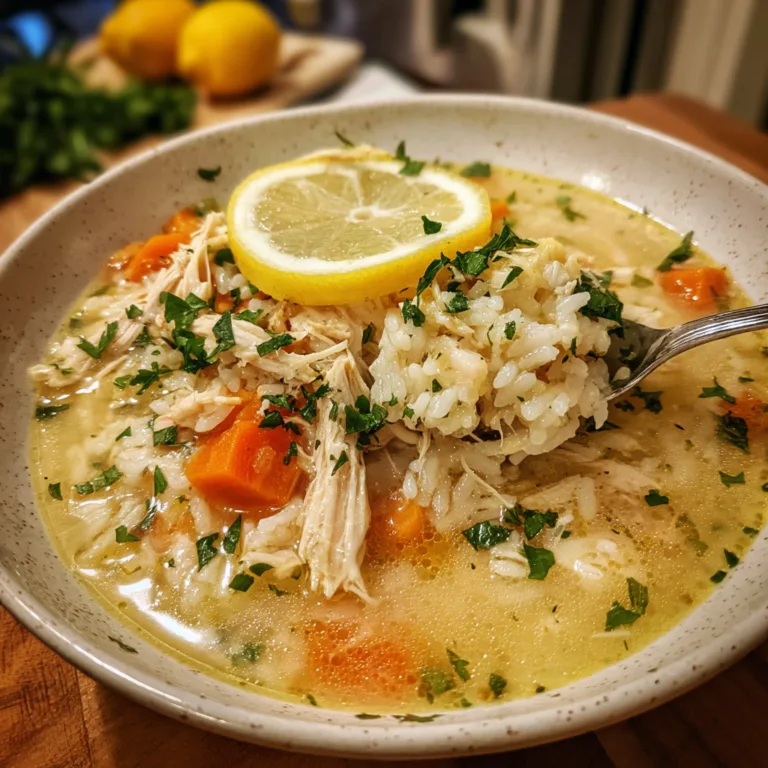
With so few ingredients, there is nowhere for poor quality to hide. To get the results seen in the picture, you need to pay attention to your sourcing.
- The Lemons: You must use fresh lemons. Bottled lemon juice lacks the vibrant flavor and aroma of fresh and often has a strange metallic aftertaste. Furthermore, you absolutely need the zest, which bottled juice cannot provide. Wash your lemons thoroughly before zesting.
- The Pepper: Put away the pre-ground dust in the tin. The volatile oils that give black pepper its distinct flavor evaporate quickly after grinding. You need whole peppercorns and a pepper mill to achieve the coarse, pungent cracks essential for this dish.
- The Cheese: Avoid pre-shredded cheese in bags. These products are coated in starches (like cellulose) to keep the shreds from clumping in the bag, but those same starches prevent the cheese from melting smoothly into a sauce. Buy a block of Parmigiano-Reggiano or Grana Padano and grate it yourself using a microplane or the smallest holes on a box grater.
- The Cream: Heavy whipping cream (double cream) will yield the richest, most stable sauce. You can use half-and-half for a lighter version, but you may need to be more careful with heat management to prevent curdling when the lemon juice is added.
Serving Seasons: A Year-Round Staple
One of the beautiful things about Creamy Lemon Pepper Shells is their versatility throughout the year. In the dead of winter, the rich cream and carb-heavy pasta provide the warmth and comfort we crave, while the citrus brings a much-needed brightness to dark evenings. In the height of summer, when you want something satisfying but not heavy like a red sauce lasagna, the vibrant lemon flavor makes this feel appropriate for al fresco dining with a crisp glass of white wine.
It serves beautifully on its own as a vegetarian main course, but it also pairs exceptionally well with proteins. Grilled chicken breast, seared scallops, or garlic butter shrimp can be served alongside or tossed right into the pasta for a heartier meal.
Creamy Lemon Pepper Shell Pasta
Ingredients
Equipment
Method
- Bring a large pot of salted water to a boil. Cook shell pasta to al dente according to package directions.
- While pasta cooks, melt butter in a large, deep skillet over medium heat. Add minced garlic and sauté for 30 seconds until fragrant.
- Add heavy cream to the skillet, bring to a gentle simmer, and let reduce slightly for 3 minutes. Stir in 1/2 tsp salt and half of the black pepper.
- Crucial step: Before draining, reserve about 1.5 cups of starchy pasta water.
- Drain pasta and add immediately to the cream sauce in the skillet. Reduce heat to low.
- Stir in lemon juice, half the lemon zest, and 1/2 cup reserved pasta water. Toss vigorously.
- Remove pan from heat. Add Parmesan cheese in batches, tossing constantly to melt. Add more pasta water as needed to create a glossy, smooth sauce that coats the shells.
- Serve immediately garnished with remaining lemon zest and generous amounts of cracked black pepper.
Notes
Wine Pairing Suggestions
The creamy texture and high acidity of this dish call for a wine that can match both without being overpowered. You want a white wine with good structure and crisp acidity.
- Sauvignon Blanc: Its grassy, citrusy notes will complement the lemon zest perfectly, while its acidity cuts through the cream.
- Unoaked Chardonnay: A crisp Chablis or other unoaked Chardonnay offers apple and lemon flavors with enough body to stand up to the rich sauce without adding oaky flavors that might clash.
- Pinot Grigio: A dry, Italian Pinot Grigio is a classic choice that offers a clean, refreshing counterpoint to the savory cheese and pepper.
Conclusion: Sunshine in a Bowl
Creamy Lemon Pepper Shells prove that sophisticated flavor doesn’t require complicated techniques or hours over a stove. This recipe is a testament to the power of balancing simple, high-quality ingredients. It’s a dish that invites you to slow down and savor every zesty, creamy, peppery bite. Whether you need a pick-me-up after a long day or an impressive dish for impromptu guests, this pasta will never let you down. Gather your lemons, crack your pepper, and get ready for a bowl of pure sunshine.
Ingredients
Gather your mise en place before you start, as the cooking process moves quickly once the pasta is in the water.
- Medium Shell Pasta (Conchiglie) – 12 oz (about 3/4 of a standard box)
- Heavy Cream – 1 cup
- Unsalted Butter – 3 tablespoons
- Garlic – 2 cloves, minced or pressed
- Fresh Lemon Zest – 2 tablespoons (from about 2 lemons), divided
- Fresh Lemon Juice – 3 tablespoons
- Parmesan Cheese – 1 cup, freshly finely grated (plus extra for serving)
- Black Pepper – 1 tablespoon freshly cracked, coarse grind preferred (adjust to taste)
- Salt – 1/2 teaspoon for the sauce, plus more for pasta water
- Pasta Water – Reserve 1 ½ cups before draining
Instructions
Follow these steps to ensure a perfectly emulsified, glossy sauce.
- Boil the Water: Bring a large pot of heavily salted water to a rolling boil. Add the shell pasta and cook according to package directions for al dente. You want the pasta to still have a slight bite, as it will cook more in the sauce.
- Start the Sauce Base: While the pasta cooks, place a large, deep skillet or Dutch oven over medium heat. Add the butter and allow it to melt. Add the minced garlic and sauté for just 30-60 seconds until fragrant, being careful not to let it brown.
- Simmer the Cream: Pour the heavy cream into the skillet with the garlic butter. Bring it to a gentle simmer. Let it reduce slightly for about 3-4 minutes, stirring occasionally. Stir in 1/2 teaspoon of salt and half of the cracked black pepper.
- The Vital Step: Before draining the pasta, carefully dip a heat-proof measuring cup into the pot and reserve about 1 ½ cups of the starchy pasta water. Set this aside—it is crucial for the next steps.
- Combine Pasta and Sauce: Drain the pasta and immediately add it to the skillet with the simmering cream sauce. Reduce heat to low.
- Create the Emulsion: Pour in about 1/2 cup of the reserved pasta water, the lemon juice, and half of the lemon zest. Stir vigorously.
- Add the Cheese: Remove the pan from the heat entirely. Add the grated Parmesan cheese in two batches, tossing and stirring constantly with the pasta. The residual heat will melt the cheese. If the sauce looks too thick or gluey, add more reserved pasta water, a splash at a time, tossing vigorously until the sauce is glossy, creamy, and coats the shells perfectly.
- Garnish and Serve: Taste and add salt if needed (the cheese and pasta water add significant saltiness, so taste first). Serve immediately in bowls, topped generously with the remaining fresh lemon zest, the rest of the cracked black pepper, and extra Parmesan cheese if desired.