
Teriyaki Salmon Recipe: Restaurant-Quality Japanese Glazed Fish at Home 🍣
Discover the ultimate teriyaki salmon recipe that brings restaurant-quality Japanese cuisine right to your kitchen. This perfectly glazed salmon with its sweet and savory coating delivers incredible flavor in under 30 minutes, making it ideal for both busy weeknights and special occasions. Whether you’re a seafood enthusiast or just beginning your culinary journey with Asian-inspired dishes, this teriyaki salmon will quickly become a household favorite.
Why This Teriyaki Salmon Recipe Stands Out ✨
Teriyaki salmon represents the perfect marriage of tender, flaky fish and a beautifully balanced glaze that’s simultaneously sweet, salty, and utterly irresistible. Unlike store-bought sauces that often contain unnecessary additives and excessive sodium, this homemade version allows you to control every ingredient while creating a superior flavor profile that rivals any high-end Japanese restaurant.
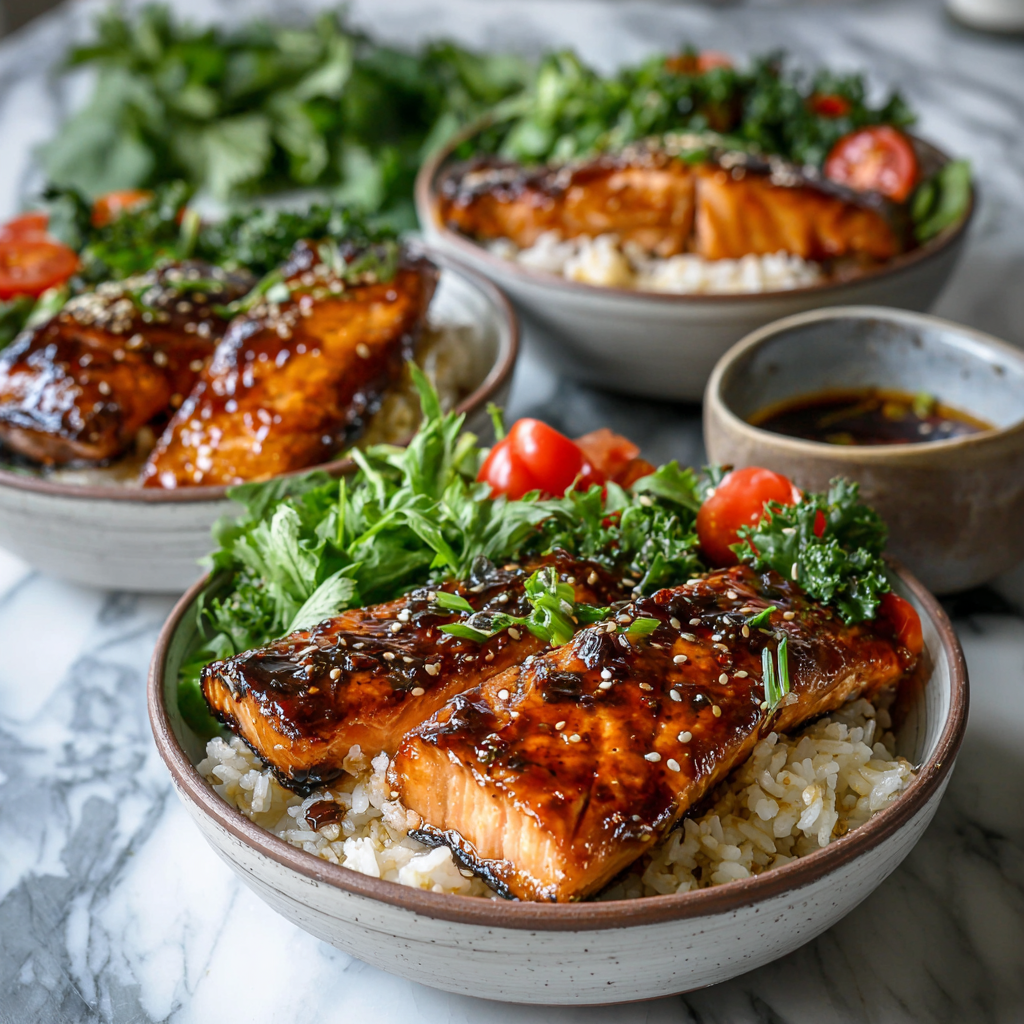
The magic of this recipe lies in its simplicity and the quality of its components. Fresh salmon fillets are coated in a lustrous glaze made from pantry staples, then cooked to perfection until the exterior develops a gorgeous caramelized finish while the interior remains moist and tender. The sesame seeds add a delightful nutty crunch, while fresh scallions provide a pop of color and a mild onion flavor that perfectly complements the rich fish.
What makes this teriyaki salmon particularly special is its versatility. Serve it over steaming white or brown rice for a complete meal, pair it with stir-fried vegetables for added nutrition, or present it alongside a crisp Asian-inspired salad for a lighter option. The possibilities are endless, and each variation delivers outstanding results.
The Health Benefits of Salmon and Teriyaki Preparation 💪
Beyond its incredible taste, this teriyaki salmon recipe offers impressive nutritional benefits. Salmon ranks among the healthiest proteins available, packed with omega-3 fatty acids that support heart health, brain function, and inflammation reduction. These essential fats play crucial roles in maintaining overall wellness and cannot be produced by the body, making salmon an invaluable dietary addition.
Additionally, salmon provides high-quality protein, vitamin D, B vitamins (especially B12), and selenium. The teriyaki preparation method preserves these nutrients while adding minimal calories compared to heavier cooking techniques like deep frying. By making your own teriyaki sauce, you eliminate artificial preservatives and can adjust the sugar content to suit your dietary preferences.
The ginger and garlic in the teriyaki sauce aren’t just flavor enhancers—they bring their own health benefits. Ginger aids digestion and has anti-inflammatory properties, while garlic supports immune function and cardiovascular health. Together, these ingredients create a dish that’s as nourishing as it is delicious.
Selecting the Perfect Salmon for Your Teriyaki Dish 🐟
Choosing quality salmon makes all the difference in your final result. Look for fillets with vibrant color—ranging from deep orange to pink—and firm, moist flesh. The fish should smell fresh and oceanic, never fishy or ammonia-like. Both wild-caught and farm-raised salmon work excellently in this recipe, though they offer slightly different flavor profiles.
Wild-caught salmon typically has a more robust, distinctive flavor and firmer texture, while farm-raised varieties tend to be milder and fattier. For teriyaki preparation, either option works beautifully since the glaze complements both types. Aim for fillets that are approximately 6 ounces each and about 1 to 1.5 inches thick for even cooking.
If purchasing frozen salmon, ensure it’s properly sealed and shows no signs of freezer burn. Thaw it gradually in the refrigerator overnight rather than at room temperature to maintain quality and food safety. Pat the fillets completely dry before cooking to ensure proper browning and glaze adhesion.
Mastering the Homemade Teriyaki Sauce 🥢
The heart of this recipe lies in the teriyaki sauce—a glossy, flavorful glaze that transforms simple salmon into something extraordinary. Traditional teriyaki sauce combines soy sauce, which provides saltiness and umami depth; mirin or sake, which adds subtle sweetness and helps tenderize the fish; sugar or honey for caramelization and balance; and fresh ginger and garlic for aromatic complexity.
Creating your own sauce takes mere minutes and yields far superior results compared to bottled alternatives. The key is achieving the right balance between sweet and salty while ensuring the sauce reaches the proper consistency. As it simmers, the sauce reduces and thickens, developing a syrupy texture that clings beautifully to the salmon.
One professional tip: reserve some of the teriyaki sauce before adding the salmon to use as a finishing drizzle. This ensures you have pristine, unreduced sauce for garnishing, which adds both visual appeal and an extra flavor boost to the completed dish.
Ingredients 📝
For the Teriyaki Sauce:
- 1/3 cup soy sauce (low sodium recommended)
- 1/4 cup water
- 2 tablespoons honey or brown sugar
- 1 tablespoon rice vinegar
- 1 tablespoon mirin (optional, or substitute with additional honey)
- 2 teaspoons fresh ginger, grated
- 2 cloves garlic, minced
- 1 teaspoon cornstarch mixed with 1 tablespoon water
- 1 teaspoon sesame oil
For the Salmon:
- 4 salmon fillets (6 ounces each, skin-on or skinless)
- 2 tablespoons vegetable oil or olive oil
- Salt and black pepper to taste
- 2 tablespoons sesame seeds (white or mixed)
- 3-4 green onions, sliced thin
- Cooked white or brown rice for serving
- Fresh salad greens and cherry tomatoes (optional)
Instructions 🔢
- Begin by preparing your teriyaki sauce. In a small saucepan over medium heat, combine the soy sauce, water, honey, rice vinegar, mirin, grated ginger, minced garlic, and sesame oil. Stir well to dissolve the honey completely.
- Bring the sauce mixture to a gentle simmer, stirring occasionally. Allow it to cook for 3-4 minutes to let the flavors meld together beautifully.
- In a small bowl, whisk together the cornstarch and water until smooth with no lumps remaining. Pour this slurry into the simmering sauce while stirring constantly.
- Continue cooking the sauce for another 2-3 minutes until it thickens to a glossy, syrupy consistency. Remove from heat and set aside. Transfer half of the sauce to a separate bowl for finishing.
- Pat the salmon fillets completely dry using paper towels. This crucial step ensures proper searing and prevents steaming. Season both sides lightly with salt and black pepper.
- Heat the vegetable oil in a large skillet over medium-high heat until shimmering but not smoking. Carefully place the salmon fillets in the pan, skin-side up if using skin-on fillets.
- Cook the salmon undisturbed for 4-5 minutes until a golden-brown crust forms on the bottom. The fish should release easily from the pan when ready to flip.
- Flip the fillets carefully using a spatula. Immediately brush the cooked side generously with teriyaki sauce. Cook for another 3-4 minutes.
- Brush the top side with more teriyaki sauce and flip once more. Continue cooking for 1-2 minutes, allowing the glaze to caramelize and create that signature glossy appearance. The internal temperature should reach 145°F (63°C).
- Remove the salmon from heat and let it rest for 2 minutes. During this time, the fish will finish cooking through residual heat and the juices will redistribute for optimal moisture.
- To serve, place a generous portion of cooked rice in each bowl. Top with a teriyaki salmon fillet, drizzle with the reserved sauce, and sprinkle with sesame seeds and sliced green onions.
- Add fresh salad greens and halved cherry tomatoes on the side for a complete, balanced meal. Serve immediately while the salmon is still warm and the glaze is glossy.
Expert Tips for Perfect Teriyaki Salmon Every Time 🌟
Achieving restaurant-quality teriyaki salmon at home requires attention to a few key details. First, don’t overcrowd your pan—cook the salmon in batches if necessary to ensure proper heat distribution and caramelization. Overcrowding causes steaming rather than searing, resulting in less flavorful fish.
Temperature control is equally important. Medium-high heat creates the ideal environment for developing that coveted caramelized crust while cooking the salmon through. If the heat is too low, the glaze won’t caramelize properly; too high, and the exterior will burn before the interior cooks.
For an extra-glossy finish, brush the salmon with teriyaki sauce multiple times during the final minutes of cooking. Each layer adds depth to the glaze and creates an increasingly beautiful appearance. Just be careful not to add sauce too early, as it can burn due to its sugar content.
If you prefer your salmon with crispy skin, start skin-side down and press gently with a spatula for the first minute to ensure even contact with the pan. The skin will release naturally when properly crisped.
Serving Suggestions and Variations 🍽️
While teriyaki salmon over rice represents the classic presentation, numerous creative variations can keep this dish exciting. Try serving it over soba or udon noodles for a Japanese-inspired noodle bowl, or arrange it atop mixed greens for a protein-packed salad.
Consider adding steamed or roasted vegetables like broccoli, snap peas, bok choy, or asparagus to create a more complete meal. These vegetables can be tossed in leftover teriyaki sauce for flavor consistency throughout the dish.
For meal prep enthusiasts, this teriyaki salmon holds up wonderfully in the refrigerator for up to three days. Store the fish and rice separately, then reheat gently in the microwave or oven. Add fresh garnishes just before serving to maintain their vibrant appearance and texture.
You can also experiment with the glaze by adding red pepper flakes for heat, orange zest for brightness, or pineapple juice for tropical sweetness. Each variation offers a unique twist while maintaining the essential teriyaki character.
Storage and Reheating Guidelines 📦
Proper storage ensures your teriyaki salmon remains delicious for future meals. Allow the cooked salmon to cool to room temperature, then transfer it to an airtight container. Store in the refrigerator for up to three days. Keep any extra teriyaki sauce in a separate container.
To reheat, place the salmon in a baking dish, brush with additional sauce or a splash of water to prevent drying, and warm in a 300°F (150°C) oven for 10-15 minutes. Alternatively, reheat gently in the microwave at 50% power in 30-second intervals until warmed through.
While cooked teriyaki salmon can be frozen, the texture may become slightly softer upon thawing. If freezing, wrap each fillet individually in plastic wrap, then place in a freezer bag. Use within two months for best quality. Thaw overnight in the refrigerator before reheating.
Conclusion: Your New Go-To Salmon Recipe 🎉
This teriyaki salmon recipe proves that restaurant-quality Japanese cuisine is completely achievable in your home kitchen. With its perfect balance of sweet and savory flavors, beautiful presentation, and impressive nutritional profile, it’s destined to become a regular rotation meal that pleases both family and guests alike.
The combination of tender, flaky salmon with that gorgeous caramelized glaze creates an unforgettable eating experience. Whether you’re cooking for a weeknight dinner or hosting a special occasion, this dish delivers every time. The homemade teriyaki sauce elevates the recipe beyond anything store-bought could achieve, while the cooking technique ensures perfectly cooked fish with that coveted crispy exterior.
Don’t hesitate to make this recipe your own by adjusting the sweetness, adding vegetables, or experimenting with different serving styles. The versatility of teriyaki salmon means you’ll never tire of it, and your cooking skills will shine with each perfectly glazed fillet you create. Grab your ingredients, fire up that skillet, and prepare to impress yourself and everyone at your table with this incredible teriyaki salmon masterpiece!
Teriyaki Salmon
Ingredients
Equipment
Method
- In a small saucepan over medium heat, combine soy sauce, water, honey, rice vinegar, mirin, grated ginger, minced garlic, and sesame oil. Stir to dissolve honey.
- Bring sauce mixture to a gentle simmer, stirring occasionally. Cook for 3-4 minutes to let flavors meld.
- Whisk cornstarch with water until smooth, then pour into simmering sauce while stirring constantly.
- Cook sauce for 2-3 more minutes until thickened to a glossy, syrupy consistency. Remove from heat and transfer half to a separate bowl.
- Pat salmon fillets completely dry with paper towels. Season both sides lightly with salt and black pepper.
- Heat vegetable oil in a large skillet over medium-high heat until shimmering. Place salmon fillets in the pan.
- Cook salmon undisturbed for 4-5 minutes until golden-brown crust forms. Flip carefully using a spatula.
- Brush cooked side generously with teriyaki sauce. Cook for 3-4 minutes on second side.
- Brush top side with more sauce and flip once more. Cook for 1-2 minutes, allowing glaze to caramelize. Internal temperature should reach 145°F.
- Remove salmon from heat and let rest for 2 minutes.
- Place cooked rice in bowls, top with salmon fillet, drizzle with reserved sauce, and sprinkle with sesame seeds and green onions.
- Add fresh salad greens and cherry tomatoes on the side. Serve immediately while warm.