Elegant Roasted Sweet Potato and Goat Cheese Stacks: The Centerpiece of the Holiday Table
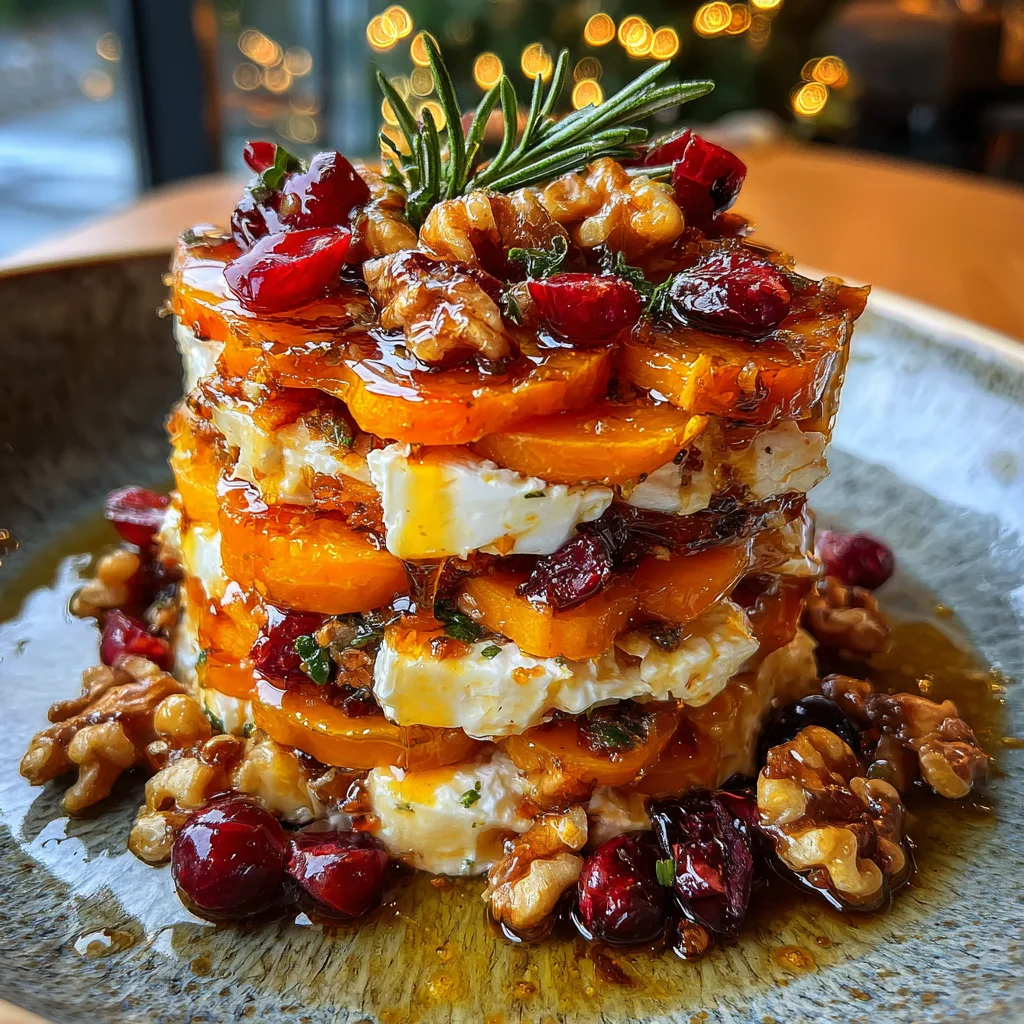
When we think of holiday tables or elegant dinner parties, we often envision a massive roast or a large casserole taking center stage. However, modern culinary trends have shifted towards “vertical food”—dishes that build flavor and texture upwards, creating a visual spectacle that is as delightful to look at as it is to eat. Enter the Roasted Sweet Potato and Goat Cheese Stack. This dish, reminiscent of a savory Napoleon or Mille-Feuille, combines the earthy natural sweetness of root vegetables with the sharp, tangy creaminess of chevre, all tied together with the crunch of nuts and the sticky luxury of honey.
In this comprehensive guide, we will explore how to transform humble ingredients into a gourmet masterpiece. We will delve into the science of roasting sweet potatoes to perfect tenderness, the art of whipping goat cheese for the ideal piping consistency, and how to balance the flavor profile so it dances perfectly between savory and sweet. Whether you are looking for a vegetarian main course or a show-stopping appetizer for your next gathering, this recipe is your golden ticket.
The Culinary Concept: Savory Napoleons
The term “Napoleon” usually conjures images of flaky puff pastry layered with pastry cream. However, in the savory world, a vegetable stack serves the same structural purpose. It is about layering textures. In this dish, the sweet potato acts as the “pastry”—providing structure and bite. The goat cheese takes the place of the cream—providing richness and moisture. The toppings (walnuts and cranberries) provide the garnish and texture.
The beauty of this format is portion control and presentation. Instead of a messy scoop from a casserole dish, every guest receives their own perfectly formed tower of flavor. It elevates the dining experience, making it feel personal and curated.
Selecting the Right Sweet Potato
The success of this dish begins in the produce aisle. Not all sweet potatoes are created equal, and for a stack, geometry matters.
- The Variety: Look for Beauregard or Jewel sweet potatoes. These have moisture-rich orange flesh that becomes incredibly creamy when roasted. Avoid white sweet potatoes or Japanese sweet potatoes for this specific recipe, as their texture is starchier and drier, which can make the stack difficult to swallow without a heavy sauce.
- The Shape: Uniformity is key. You want potatoes that are long and cylindrical, with a relatively consistent diameter. This ensures that when you slice them into rounds, the rounds are roughly the same size, making stacking easier and more stable. Avoid bulbous or twisted potatoes.
- The Prep: While the skin of a sweet potato is edible and nutritious, for this elegant preparation, peeling is recommended. It creates a cleaner look and a softer texture that melts in the mouth along with the cheese.
The Cheese: Why Goat Cheese?
Sweet potatoes have a high sugar content, especially when roasted, as the starches break down into maltose. To prevent the dish from becoming a dessert, you need a strong, tangy counterpoint. This is where Goat Cheese (Chèvre) shines.
Goat cheese contains capric acid, which gives it that distinct animal tang. This acidity cuts right through the sweetness of the potato and the honey, cleansing the palate with every bite. Feta can be a substitute, but it lacks the creamy spreadability needed to hold the layers together. Cream cheese is too mild and heavy. Fresh chèvre is the perfect middle ground—tart, light, and spreadable.
Chef’s Tip: Do not use the cheese cold straight from the fridge. Let it come to room temperature, or even better, whip it with a splash of heavy cream or olive oil. This aerates the cheese, making it lighter and easier to dollop without crushing the soft potato slices.
The textural Symphony: Walnuts and Cranberries
A dish with only soft potato and soft cheese risks being “mushy.” This is culinary death for a high-end appetizer. You need a crunch. Walnuts are the ideal pairing because their tannins (slight bitterness) balance the sugar. Pecans are a good alternative, but they are naturally sweeter.
Toasting the Walnuts: Never skip toasting. Toasting the walnuts releases their essential oils and keeps them crunchy even when coated in honey. Raw walnuts can feel waxy and soft.
Dried Cranberries: These provide a “chew” factor. They are like little jewels of tartness that burst when you bite into them. If you want to make the dish even more festive and fresh, you can substitute pomegranate arils (seeds), which add a fresh pop of juice rather than a chewy texture.
Ingredients
Ensure you have quality ingredients. Since there are few components, the quality of each really stands out.
The Roast
- Sweet Potatoes – 4 large, long and uniform in width.
- Olive Oil – 3 tbsp, extra virgin.
- Salt – 1 tsp, kosher.
- Black Pepper – 1/2 tsp, freshly ground.
- Cinnamon – 1/4 tsp (optional, for warmth).
- Thyme – 1 tsp, fresh leaves.
The Filling
- Goat Cheese (Chèvre) – 10 oz log, room temperature.
- Heavy Cream or Milk – 1 tbsp (to soften the cheese).
- Lemon Zest – 1 tsp (adds freshness).
- Garlic Powder – 1/4 tsp.
The Garnish
- Walnuts – 1/2 cup, roughly chopped and toasted.
- Dried Cranberries – 1/3 cup.
- Honey – 1/4 cup, for drizzling (can substitute maple syrup).
- Fresh Rosemary – 4-6 sprigs.
- Flaky Sea Salt – For finishing (Maldon style).
Instructions
Patience is the secret ingredient here. Do not rush the roasting process, or the potatoes will be tough.
Roasted Sweet Potato and Goat Cheese Stacks
Ingredients
Equipment
Method
- Preheat oven to 400°F (200°C) and line baking sheets with parchment paper.
- Peel sweet potatoes and slice into even 1/4 inch rounds.
- Toss slices with olive oil, salt, and thyme. Arrange in a single layer on baking sheets.
- Roast for 20-25 minutes, flipping halfway, until tender and caramelized. Let cool slightly.
- In a bowl, whip goat cheese with cream and lemon zest until smooth.
- Assemble stacks by layering: potato slice, dollop of cheese, potato slice, cheese. Repeat for 3-4 layers.
- Top with toasted walnuts and dried cranberries.
- Drizzle generously with honey and garnish with a rosemary sprig before serving.
Notes
- Prepare the Oven and Potatoes: Preheat your oven to 400°F (200°C). Peel the sweet potatoes. Using a sharp chef’s knife or a mandoline slicer (be careful!), slice the potatoes into rounds that are approximately 1/4 to 1/2 inch thick. Try to keep them as consistent as possible so they cook evenly.
- Season and Roast: Place the sweet potato rounds in a large bowl. Drizzle with olive oil and toss to coat. Sprinkle with salt, pepper, cinnamon, and fresh thyme. Toss again. Arrange the rounds in a single layer on two parchment-lined baking sheets. Do not overlap them, or they will steam instead of roast. Bake for 20-25 minutes, flipping them halfway through, until they are tender and have golden-brown caramelized spots. Remove from oven and let them cool slightly. They need to be firm enough to handle.
- Whip the Cheese: While the potatoes are roasting, place the goat cheese, heavy cream, lemon zest, and garlic powder in a small bowl. Mash with a fork or whip with a hand mixer until the mixture is smooth and creamy. This step makes assembly much easier.
- Toast the Nuts: Place the chopped walnuts in a small dry skillet over medium heat. Toast, shaking the pan frequently, for 3-4 minutes until they smell nutty and darken slightly. Remove from heat immediately to prevent burning.
- The Assembly: On your serving platter or individual plates, begin the construction.
Base: Place one sweet potato round.
Fill: Smear or pipe about 1 teaspoon of the whipped goat cheese onto the potato.
Repeat: Place another potato round on top, followed by more cheese. Repeat until you have a stack of 3 or 4 potato slices.
Top: Finish with a final dollop of cheese on the very top. - Garnish and Serve: Sprinkle the toasted walnuts and dried cranberries generously over the top, letting them tumble down the sides onto the plate. Drizzle the honey over the entire stack. Stick a sprig of fresh rosemary into the top cheese layer like a flag. Finish with a pinch of flaky sea salt to pop the flavors. Serve warm or at room temperature.
Chef’s Tips for Perfection
Structural Integrity
If you find your stacks are sliding over, it might be because the potatoes are too hot, melting the cheese too fast. Let the potatoes cool to warm room temperature before stacking. If you need to serve them hot, you can assemble them cold and then pop the whole stack in the oven for 5 minutes just to warm through before doing the final honey drizzle.
Flavor Infusions
Hot Honey: If you like a bit of spice, warm your honey in a small saucepan with a pinch of red pepper flakes or cayenne pepper before drizzling. The heat works wonders against the sweet potato.
Balsamic Glaze: For a more savory, less sweet version, swap the honey for a thick balsamic reduction. The acidity of the vinegar pairs beautifully with the goat cheese.
Make-Ahead Strategy
This is an excellent “do-ahead” dish for stress-free hosting.
1 Day Before: Roast the potato slices and whip the cheese mixture. Store them in separate airtight containers in the fridge.
1 Hour Before: Bring ingredients to room temperature.
15 Minutes Before: Assemble the stacks on a baking sheet. Warm them in a 350°F oven for 5-8 minutes, then transfer to serving plates and add the nuts and honey.
Nutritional Benefits
Aside from being delicious, this dish is a powerhouse of nutrition. Sweet potatoes are rich in Beta-carotene (Vitamin A), fiber, and potassium. Walnuts are the only tree nut with a significant amount of plant-based omega-3 fatty acids. Goat cheese is generally easier to digest than cow’s milk cheese and provides high-quality protein and calcium.
Conclusion
The Roasted Sweet Potato and Goat Cheese Stack is a testament to the fact that vegetarian food can be decadent, beautiful, and satisfying. It engages all the senses: the visual contrast of orange and white, the smell of rosemary and toasted nuts, the tactile crunch and creaminess, and the complex taste of sweet, salty, tangy, and earthy. It is a dish that looks like it took hours of professional plating but is actually achievable in any home kitchen. Make this for your next holiday gathering, and watch it disappear faster than the turkey.