Creamy Chicken and Mushroom Orzo: The Ultimate One-Pan Comfort Food
There is something undeniably magical about a meal that comes together in a single pan. As the cooler months settle in, or perhaps just on a busy Tuesday evening when the weight of the day feels heavy, we crave meals that wrap us in warmth without demanding a mountain of dishes in return. Enter the Creamy Chicken and Mushroom Orzo. This dish is not just food; it is a culinary hug. It combines the rustic, earthy flavors of browned mushrooms, the savory depth of perfectly seared chicken, and the velvety, comforting texture of orzo pasta simmered in a rich garlic-parmesan sauce.
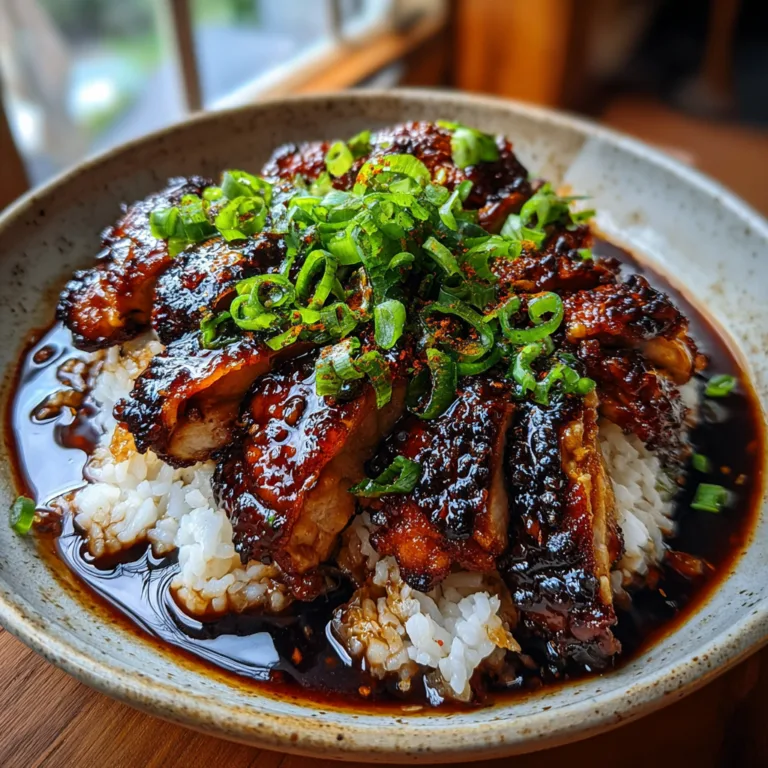
Looking at the dish, you see golden hues, speckles of fresh herbs, and a glossiness that promises satisfaction. But beyond the visual appeal, this recipe is a masterclass in efficiency and flavor building. It bridges the gap between a risotto and a pasta dish, offering the creaminess of the former without the constant stirring, and the heartiness of the latter with a sophisticated twist. Whether you are cooking for a family of four or looking for leftovers that taste even better the next day, this skillet meal is about to become a permanent fixture in your recipe rotation.
The Art of the One-Pan Wonder
The concept of “one-pan” cooking has revolutionized modern home kitchens, but often, these recipes sacrifice texture for convenience. Pasta can become mushy, or proteins can steam rather than sear. However, this Creamy Chicken and Mushroom Orzo defies those pitfalls. By layering flavors—starting with the sear of the chicken, then the caramelization of the mushrooms, and finally toasting the orzo—we ensure that every element retains its integrity while contributing to the whole.
The beauty lies in the fond. When you sear the chicken and mushrooms, they leave behind browned bits on the bottom of the skillet. This is pure flavor gold. Unlike boiling pasta in a separate pot of water where that starch is washed away, cooking the orzo directly in the broth and cream allows the pasta to absorb the essence of the chicken and mushrooms. Furthermore, the starch released by the orzo acts as a natural thickener, creating a luxurious sauce that coats every grain without the need for a heavy roux or excessive amounts of heavy cream.
Selecting the Perfect Ingredients for Depth of Flavor
To elevate a simple dish into something restaurant-quality, ingredient selection is paramount. While this recipe is forgiving, choosing the right components makes a world of difference.
The Mushrooms
While white button mushrooms are readily available, this recipe sings when you use Cremini (often called Baby Bella) mushrooms. They have a lower water content and a deeper, earthier flavor that stands up well against the rich cream sauce. If you want to get fancy, a mix of Shiitake, Oyster, and Cremini mushrooms adds a complex texture profile. The trick is to slice them not too thin, allowing them to maintain a “meaty” bite after cooking.
The Orzo
Orzo looks like rice, but it is actually a short-cut pasta made from semolina flour. Its shape is ideal for skillet meals because it cooks relatively quickly and has a wonderful mouthfeel. When shopping, look for high-quality durum wheat semolina orzo. It holds its shape better during the simmering process, preventing the dish from becoming a gloopy mess.
The Chicken
Boneless, skinless chicken breasts are the standard here for their lean protein profile, which balances the richness of the sauce. However, boneless skinless chicken thighs are a fantastic alternative if you prefer dark meat; they remain juicy even if slightly overcooked. The key is pounding the chicken to an even thickness to ensure uniform cooking and a perfect golden crust.
The Aromatics and Herbs
Fresh thyme is the unsung hero of this dish. Its woodsy, floral notes cut through the cream and complement the mushrooms beautifully. If you only have dried thyme, use one-third of the amount, but fresh is strongly recommended for the finish. Garlic, of course, is non-negotiable. Sautéing it just until fragrant prevents bitterness while infusing the oil with savory goodness.

Mastering the Sear: A Technical Deep Dive
The color of your food often determines the depth of its flavor. This brings us to the Maillard reaction—the chemical reaction between amino acids and reducing sugars that gives browned food its distinctive flavor. To achieve this with your chicken:
First, ensure the chicken is dry before seasoning. Moisture is the enemy of browning; it creates steam, which results in gray, rubbery meat. Pat the chicken dry with paper towels before adding your salt and pepper. Second, do not crowd the pan. If the chicken pieces are touching, the heat dissipates too quickly, and the meat steams. Cook in batches if necessary. Once the chicken hits the hot oil, let it be. Resist the urge to move it for at least 3-4 minutes. This patience is what creates that golden, flavorful crust shown in the picture.
The same logic applies to the mushrooms. Mushrooms are like sponges; they hold water. When you first add them to the pan, hear the sizzle. As they cook, they will release water. Keep cooking them past this stage. The water needs to evaporate so the mushrooms can begin to brown in the remaining fat. This concentrates the mushroom flavor, making it intensely savory (umami).
Building the Sauce: Texture and Consistency
The sauce for this dish is a delicate balance of broth, cream, and cheese. We start by deglazing the pan—pouring in liquid (usually broth or a splash of white wine) to lift those browned bits (fond) we discussed earlier. This incorporates the “roasted” flavor into the liquid.
As the orzo simmers, it drinks up the chicken broth. It is crucial to stir occasionally to prevent the pasta from sticking to the bottom of the skillet, but don’t stir constantly like a risotto, or you may break the pasta grains. Toward the end of cooking, when most of the broth is absorbed, we add the cream and Parmesan. The Parmesan acts as a binder, emulsifying the fats and liquids into a glossy, cohesive sauce. Using freshly grated Parmesan is vital here; pre-shredded cheese is coated in cellulose (wood pulp) to prevent clumping, which stops it from melting smoothly and can leave you with a gritty sauce.
Ingredients
Gather your ingredients before you begin to ensure a smooth cooking process. Here is what you will need:
- 1 lb – Boneless, skinless chicken breasts (pounded to even thickness)
- 1 teaspoon – Salt (divided, plus more to taste)
- 1/2 teaspoon – Black pepper (freshly cracked)
- 1/2 teaspoon – Garlic powder
- 1/2 teaspoon – Paprika (optional for color)
- 2 tablespoons – Olive oil (divided)
- 2 tablespoons – Unsalted butter (divided)
- 8 oz – Cremini mushrooms (sliced)
- 1 small – Yellow onion (finely diced)
- 3 cloves – Garlic (minced)
- 1 cup – Orzo pasta (uncooked)
- 1/2 cup – Dry white wine (Pinot Grigio or Sauvignon Blanc) OR extra chicken broth
- 2 1/2 cups – Chicken broth (low sodium preferred)
- 1 teaspoon – Fresh thyme leaves (plus sprigs for garnish)
- 1/2 cup – Heavy cream
- 1/2 cup – Parmesan cheese (freshly grated)
- 1 tablespoon – Fresh parsley (chopped, for garnish)
Instructions
Follow these step-by-step instructions to recreate this creamy masterpiece in your own kitchen.
Creamy Chicken and Mushroom Orzo
Ingredients
Equipment
Method
- Season chicken breasts with salt, pepper, and garlic powder.
- Heat 1 tbsp oil and 1 tbsp butter in a large skillet over medium-high heat. Sear chicken 4-5 mins per side until golden and cooked. Remove and set aside.
- In the same skillet, add remaining fats and mushrooms. Sauté until browned. Add onions and cook until soft.
- Stir in garlic, thyme, and dry orzo. Toast for 1 minute.
- Deglaze with wine (if using), then add chicken broth. Bring to a simmer.
- Cover and cook on low for 8-10 minutes until orzo is tender.
- Stir in heavy cream and parmesan cheese until sauce is thick and creamy.
- Return chicken to the pan to warm through. Garnish with parsley and serve.
Notes
- Prep the Chicken: Pat the chicken breasts dry with a paper towel. Season both sides generously with half of the salt, the black pepper, garlic powder, and paprika. If the breasts are very thick, slice them horizontally into cutlets or pound them for even cooking.
- Sear the Chicken: Heat 1 tablespoon of olive oil and 1 tablespoon of butter in a large skillet or Dutch oven over medium-high heat. Once the butter foams, add the chicken. Cook for 4-5 minutes on each side until golden brown and cooked through (internal temperature of 165°F/74°C). Remove chicken to a plate and set aside.
- Sauté Mushrooms and Onions: In the same skillet (do not wipe it out!), add the remaining tablespoon of olive oil and butter. Add the sliced mushrooms. Cook for 5-6 minutes undisturbed until browned. Add the diced onions and cook for another 2-3 minutes until softened.
- Toast the Aromatics: Add the minced garlic and dried/fresh thyme to the mushrooms and onions. Sauté for 30 seconds until fragrant, being careful not to burn the garlic.
- Toast the Orzo: Stir in the dry, uncooked orzo pasta. Mix well to coat the pasta in the fats and vegetables. Let it toast for about 1 minute—this adds a nutty flavor profile to the final dish.
- Deglaze and Simmer: Pour in the white wine (if using) to deglaze the pan, scraping up the browned bits from the bottom with a wooden spoon. Let it reduce by half (about 2 minutes). Pour in the chicken broth. Bring the mixture to a gentle boil, then reduce heat to low.
- Cook the Pasta: Cover the skillet and let it simmer for about 8-10 minutes, or until the orzo is al dente and most of the liquid is absorbed. Stir occasionally to prevent sticking.
- Finish the Sauce: Remove the lid. Stir in the heavy cream and freshly grated Parmesan cheese. Stir continuously until the cheese melts and the sauce thickens and becomes glossy. If the sauce is too thick, add a splash of water or broth.
- Combine and Serve: Slice the cooked chicken into strips or bite-sized pieces. Return the chicken and any juices collected on the plate back into the skillet. Nest the chicken into the creamy orzo to warm through. Garnish with fresh thyme sprigs and parsley. Serve immediately while hot.
Variations to Keep It Fresh
One of the best things about this recipe is its versatility. Once you master the base technique, you can rotate ingredients to suit your dietary needs or pantry availability.
The “Greens” Injection
If you want to make this a more nutritionally complete one-bowl meal, add spinach or kale. For spinach, toss in two large handfuls right at the end when you add the cream; the residual heat will wilt it perfectly. For kale, remove the tough stems, chop the leaves, and add them in with the onions so they have time to soften.
The Mediterranean Twist
Swap the mushrooms for sun-dried tomatoes and artichoke hearts. The acidity of the tomatoes cuts through the cream beautifully. You can also finish this version with crumbled feta cheese instead of Parmesan for a sharper, brinier kick.
Dairy-Free Adaptation
To make this dairy-free, substitute the butter for more olive oil. For the cream, use full-fat coconut milk (the slight coconut flavor pairs surprisingly well with chicken and thyme) or a neutral barista-style oat milk. Nutritional yeast makes a decent substitute for the savory depth of Parmesan, though the texture will be slightly less creamy.
Troubleshooting Common Issues
Even the best chefs encounter hiccups. Here is how to solve common problems with skillet orzo dishes.
Problem: The Orzo is Mushy.
This usually happens if the heat was too high or it was cooked too long. Orzo goes from al dente to mush very quickly. Always check the pasta 2 minutes *before* the package says it should be done. Remember, it will continue to cook in the residual heat of the sauce after you take it off the stove.
Problem: The Sauce is Curdled.
This can happen if the heat is too high when you add the dairy. heavy cream is stable, but milk or half-and-half can split if boiled vigorously. Always turn the heat down to low or remove the pan from the heat entirely before stirring in your cream and cheese.
Problem: The Dish is Bland.
Starch soaks up salt. If you taste the finished dish and it falls flat, it almost certainly needs more salt. Add it pinch by pinch, tasting as you go. A squeeze of fresh lemon juice right at the end can also “wake up” the flavors without making the dish taste sour.
Serving Suggestions and Pairings
While this dish stands alone as a complete meal, the right accompaniments can turn it into a feast. Because the dish is rich and creamy, you want sides that provide contrast—acid and crunch are your friends here.
Vegetables: A simple arugula salad with a lemon vinaigrette is the perfect partner. The peppery bite of the arugula and the acid of the lemon cut through the heaviness of the cream sauce. Roasted asparagus or steamed green beans with garlic are also excellent choices.
Bread: You will likely have some sauce left at the bottom of the bowl. A slice of crusty sourdough, a baguette, or garlic knots are essential for swiping up that delicious remnants.
Wine Pairing: For white wine lovers, an oaked Chardonnay mirrors the creaminess of the dish, while a crisp Pinot Grigio offers a refreshing palate cleanser. If you prefer red, go for something light like a Pinot Noir, which has earthy notes that complement the mushrooms without overpowering the chicken.
Conclusion
The Creamy Chicken and Mushroom Orzo is more than just a recipe; it is a reliable companion for those nights when you need comfort without chaos. It brings the sophistication of Italian cooking techniques into the accessible format of a one-pan meal. From the golden sear on the chicken to the earthiness of the mushrooms and the enveloping richness of the parmesan cream sauce, every bite is curated to delight the senses.
Whether you stick to the classic recipe or experiment with your own variations, the result is guaranteed to be a crowd-pleaser. So, grab your skillet, pour a glass of wine (for the sauce and for yourself), and enjoy the process of creating a meal that nourishes both body and soul. Happy cooking!