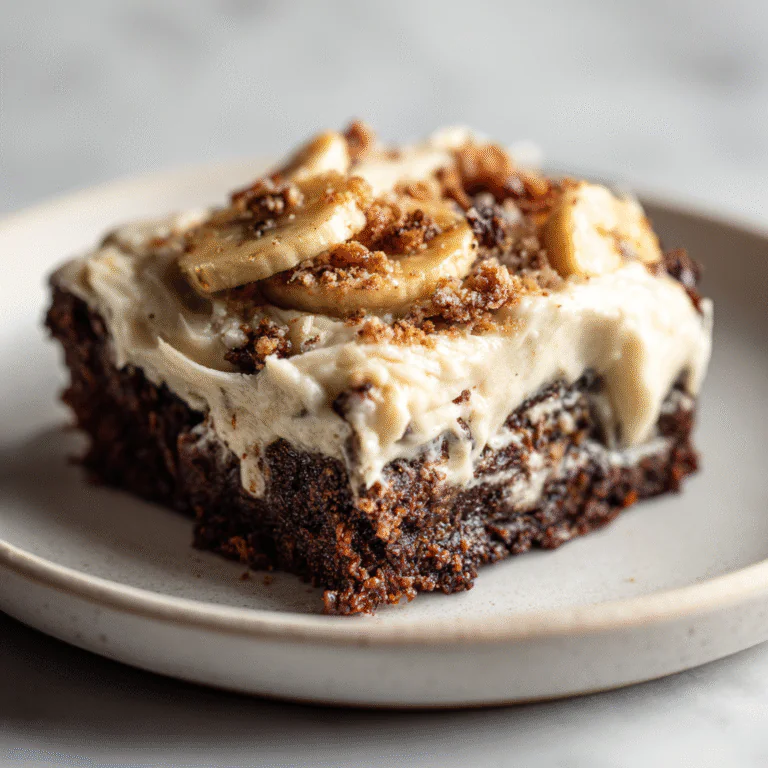
Imagine waking up on a Sunday morning, the house quiet, and the smell of buttery, yeast-risen dough wafting through the air. You walk into the kitchen to find a tray of golden-brown pastries, glistening with a sweet glaze, their centers bursting with rich, velvety vanilla custard and studded with melting chocolate chips. This isn’t a dream; this is your new reality with our Chocolate Chip Custard Brioche Rolls.
If you have ever stared longingly through the glass display of a French patisserie at the Pain Suisse or creamy eclairs, you might have thought, “I could never make that.” Today, we are going to debunk that myth. These rolls combine the fluffy, cloud-like texture of enriched brioche dough with the decadent, smooth luxury of homemade crème pâtissière (pastry cream). It is a marriage of textures and flavors that feels sophisticated but is entirely achievable in a home kitchen.
In this extensive guide, we will break down every single component. From the science of the perfect yeast dough to the art of tempering eggs for a silk-smooth custard, we are leaving no stone unturned. Whether you are a novice baker or a seasoned pro, this recipe will elevate your brunch game to legendary status. Let’s dive into the world of French-inspired pastry.
Part 1: The Foundation – Understanding Brioche Dough
The soul of this pastry lies in the dough. We aren’t using a standard bread dough here; we are making Brioche. Brioche is an enriched dough, meaning it has a high fat content coming from butter, eggs, and milk. This fat does two things:
- Texture: It inhibits gluten formation slightly, creating a crumb that is tender and soft rather than chewy like a baguette.
- Flavor: It provides a rich, buttery taste that pairs perfectly with the sweet custard.
The Importance of Temperature
Because brioche relies heavily on butter, temperature is your best friend and your worst enemy. If your kitchen is too hot, the butter will melt out of the dough, leaving you with a greasy mess. If it’s too cold, the yeast won’t wake up.
Pro Tip: Ensure your milk is warm (about 110°F/45°C) to activate the yeast, but your butter should be room temperature soft—pliable, but not oily.
Part 2: The Heart – Crème Pâtissière (Pastry Cream)
The yellow, creamy center you see in the image is not pudding; it is Crème Pâtissière. This is the mother of all pastry fillings. It is thick, stable, and rich. Making it requires attention to detail, specifically during the cooking process.
Many home cooks fear curdling the eggs. The secret is tempering. This involves slowly pouring hot milk into the egg mixture while whisking furiously. This brings the eggs up to temperature gradually so they don’t scramble. Once mixed, the cream must be brought to a boil to activate the cornstarch (thickener) and neutralize the amylase enzyme in the yolks, which would otherwise turn your cream soupy later.
Part 3: The Glaze and Toppings
A pastry without a glaze is like a sentence without a period—it just feels unfinished. The glaze in our recipe serves a dual purpose: it adds a final hit of sweetness and, more importantly, it seals the moisture inside the bun, keeping it fresh for longer. We finish with semi-sweet chocolate chips which provide a slightly bitter contrast to the sweet cream and dough.
Ingredients
Chocolate Chip Custard Brioche Rolls
Ingredients
Equipment
Method
- Prepare pastry cream: Heat milk. Whisk yolks, sugar, and cornstarch. Temper yolks with hot milk.
- Cook custard mixture until thickened and bubbly. Stir in butter and vanilla. Chill completely.
- Prepare dough: Activate yeast in warm milk with sugar. Add flour, eggs, and salt. Mix.
- Knead dough, gradually adding softened butter until smooth and elastic (10-15 mins).
- Let dough rise in a warm place for 1-1.5 hours until doubled.
- Roll dough into a large rectangle. Spread chilled custard on one half. Top with chocolate chips.
- Fold dough over filling. Cut into strips. Place on baking sheet and let rise for 40 mins.
- Preheat oven to 375°F (190°C). Brush rolls with egg wash.
- Bake for 18-22 minutes until golden. Glaze while warm.
Notes
For the Brioche Dough
- 3 1/2 cups all-purpose flour (plus extra for dusting)
- 1/3 cup granulated sugar
- 1 packet (2 1/4 tsp) active dry yeast
- 1/2 tsp salt
- 1/2 cup whole milk, warm (110°F)
- 3 large eggs, room temperature
- 1/2 cup unsalted butter, softened and cubed
- 1 tsp vanilla extract
For the Pastry Cream (Filling)
- 2 cups whole milk
- 4 large egg yolks
- 1/2 cup granulated sugar
- 1/4 cup cornstarch
- 2 tbsp unsalted butter, cold
- 1 1/2 tsp vanilla bean paste or extract
- Pinch of salt
For Assembly and Topping
- 1 egg beaten with 1 tbsp water (Egg Wash)
- 3/4 cup semi-sweet chocolate chips (plus more for garnish)
- 1/4 cup apricot jam mixed with 1 tbsp water (Glaze) OR Simple Syrup
- Powdered sugar (optional for dusting)
Instructions
Phase 1: Making the Pastry Cream
- Heat the Milk: In a medium saucepan, heat the milk and vanilla over medium heat until it just starts to simmer. Do not let it fully boil over.
- Whisk Yolks: While milk is heating, in a separate heat-proof bowl, whisk together egg yolks and sugar until pale and slightly fluffy. Sift in the cornstarch and salt, whisking until smooth.
- Temper the Eggs: Slowly pour about half of the hot milk into the egg mixture while whisking constantly. This prevents the eggs from scrambling.
- Thicken: Pour the egg-milk mixture back into the saucepan with the remaining milk. Cook over medium heat, whisking constantly and vigorously. The mixture will thicken suddenly. Once it bubbles, cook for 1 more minute to cook out the starch taste.
- Finish and Cool: Remove from heat. Whisk in the cold butter until melted. Transfer to a clean bowl. Press plastic wrap directly onto the surface of the cream to prevent a skin from forming. Refrigerate until completely cold (at least 2 hours).

Phase 2: Making the Brioche Dough
- Bloom Yeast: In the bowl of a stand mixer, combine warm milk and 1 tablespoon of the sugar. Sprinkle yeast on top. Let sit for 5-10 minutes until foamy.
- Mix: Add the remaining sugar, eggs, vanilla, salt, and flour. Using the dough hook, mix on low speed until combined.
- Knead and Add Butter: Increase speed to medium. Knead for about 5 minutes. The dough will be sticky. Slowly add the cubed softened butter, a few pieces at a time, waiting for each addition to be incorporated before adding the next.
- Final Knead: Once all butter is added, knead for another 5-7 minutes. The dough should be soft, shiny, and elastic (it should pass the windowpane test).
- First Rise: Transfer dough to a greased bowl. Cover with plastic wrap and let rise in a warm place for 1 to 1.5 hours, or until doubled in size.
Phase 3: Assembly and Baking
- Prep: Line a large baking sheet with parchment paper. Whisk the pastry cream vigorously to loosen it up.
- Roll: Punch down the risen dough. On a lightly floured surface, roll the dough into a large rectangle (approx 12×16 inches).
- Fill: Spread the cold pastry cream evenly over the bottom half of the rectangle (lengthwise). Sprinkle the chocolate chips over the cream.
- Fold and Cut: Fold the top half of the dough over the cream-covered half, sealing the edges gently. You now have a long rectangle filled with cream. Using a sharp knife or pizza cutter, cut the dough vertically into 12 strips (approx 1.5 inches wide each). Alternatively, for the look in the image, you can roll individual logs, but the fold-over method is classic Pain Suisse style.
- Twist and Shape: Twist each strip once gently and place on the baking sheet, spacing them apart.
- Second Rise: Cover loosely with plastic wrap and let rise for 40 minutes. They should look puffy.
- Bake: Preheat oven to 375°F (190°C). Brush the rolls gently with egg wash (avoiding the exposed cream if possible). Bake for 18-22 minutes until deep golden brown.
- Glaze: While hot, brush with the apricot jam mixture (heated) or a simple syrup to give that glossy shine. Top with extra chocolate chips while warm so they adhere.
Troubleshooting Common Issues
Why is my filling runny?
If your pastry cream runs out during baking, it likely wasn’t cooked long enough on the stove. You must bring it to a boil after adding the starch. The starch needs heat to gelatinize fully. If you stopped whisking before it bubbled, it will turn to liquid in the oven.
Why is my dough tough?
Enriched doughs become tough if you add too much flour during the kneading process. The dough should be sticky. Trust the process and rely on the machine kneading rather than adding cup after cup of flour. Also, adding the butter too quickly can break the gluten network; take your time.
The “Cold Ferment” Trick
For the absolute best flavor and easier handling, make the dough the night before. After the first knead, place the dough in the fridge overnight for its first rise. Cold dough is much easier to roll out and shape, and the slow fermentation develops a complex, yeasty flavor that mimics professional bakeries.
Variations to Try
- Orange & Dark Chocolate: Zest an orange into the dough and use dark chocolate chunks for a sophisticated twist.
- Almond Cream: Swap the vanilla pastry cream for Frangipane (almond cream) and top with sliced almonds.
- Berry Bliss: Add freeze-dried raspberries to the filling for a tart contrast to the sweet custard.
Storage and Reheating
These rolls are best eaten the day they are made. However, you can store them in an airtight container in the refrigerator for up to 3 days (because of the custard).
To serve, always reheat them. 15-20 seconds in the microwave or 5 minutes in a 300°F oven will revive the soft texture of the brioche and make the chocolate melty again.
Conclusion
Making Chocolate Chip Custard Brioche Rolls is a journey that rewards you with every bite. The contrast of the slightly crisp, golden exterior, the pillowy interior, and that cool, creamy custard center is a sensory experience unmatched by store-bought pastries. By following these steps, you aren’t just baking; you are creating memories and mastering skills that will last a lifetime. So, preheat that oven, and let’s get baking!