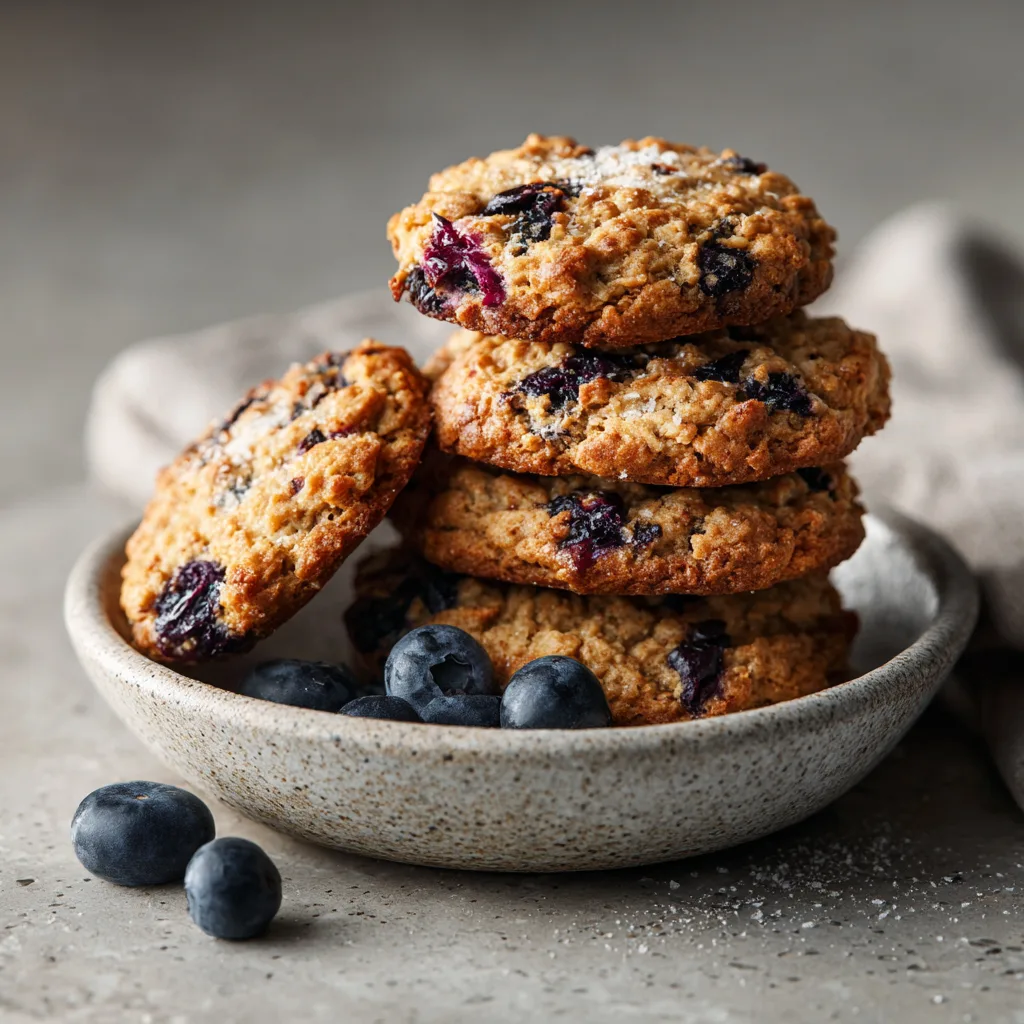
There is an undeniable charm to rustic, bakery-style cookies. They aren’t meant to be perfectly uniform or elegantly piped; their beauty lies in their craggy edges, hearty textures, and the promise of comforting flavors in every single bite. Among the pantheon of classic drop cookies, the oatmeal cookie holds a special, nostalgic place. But when you introduce the vibrant, tart-sweet pop of fresh blueberries into that wholesome oat matrix, you elevate the classic into something truly extraordinary. These chewy blueberry oatmeal cookies are the perfect marriage of a cozy, spiced winter bake and a bright, fruity summer treat. They are hearty enough to be considered a borderline breakfast cookie, yet decadent enough to satisfy any late-night sweet tooth.
In this comprehensive guide, we will dive deep into the mechanics of what makes an oatmeal cookie truly spectacular. We’ll explore the crucial role of hydration in oats, the delicate balance of sugars required for the perfect chew, and the careful technique needed to incorporate fresh fruit into a dense dough without turning it into a soggy mess. Whether you are an experienced baker looking to expand your cookie repertoire or a beginner wanting a foolproof recipe to impress your friends and family, this detailed breakdown will ensure your blueberry oatmeal cookies emerge from the oven looking exactly like the mouth-watering stack in the picture.
1. The Science of the Chew: Why Your Ingredients Matter
The defining characteristic of a superior oatmeal cookie is its texture. It must have slightly crisp edges that yield to a dense, chewy, and soft center. Achieving this textural nirvana is not a matter of luck; it is a matter of science and careful ingredient selection. Let’s start with the star of the show: the oats. For this recipe, old-fashioned rolled oats are absolutely non-negotiable. Quick oats or instant oats have been cut and pressed too thin; if you use them, they will turn into mush in the dough, robbing your cookie of its signature hearty structure and chew. Rolled oats maintain their integrity, providing that satisfying bite.
Next, we must consider the fat and sugar. Butter provides flavor, but it also dictates the spread of the cookie. Using room-temperature butter (soft enough to yield to a gentle press, but not greasy or melting) ensures that it creams properly with the sugars, trapping air that will help the cookies rise. The ratio of brown sugar to white granulated sugar is perhaps the most critical secret. Brown sugar contains molasses, which adds incredible moisture and a deep, caramel-like flavor. A higher ratio of dark or light brown sugar to white sugar guarantees a softer, chewier cookie, whereas white sugar contributes to the crispness of the edges. By striking the right balance, you get the best of both worlds.
2. The Fruit Factor: Mastering Fresh Blueberries in Dough
Adding fresh fruit to cookie dough presents a unique challenge. Blueberries are essentially little balloons filled with water and sugar. If they burst during the mixing process, they will bleed excess moisture into your dough, resulting in a wet, cakey texture rather than a chewy cookie. Therefore, handling the blueberries requires a gentle touch. When selecting your berries, look for firm, plump, and relatively small blueberries. Large, watery berries carry too much liquid. Wash them gently and, crucially, dry them completely with a paper towel before they ever touch the flour.
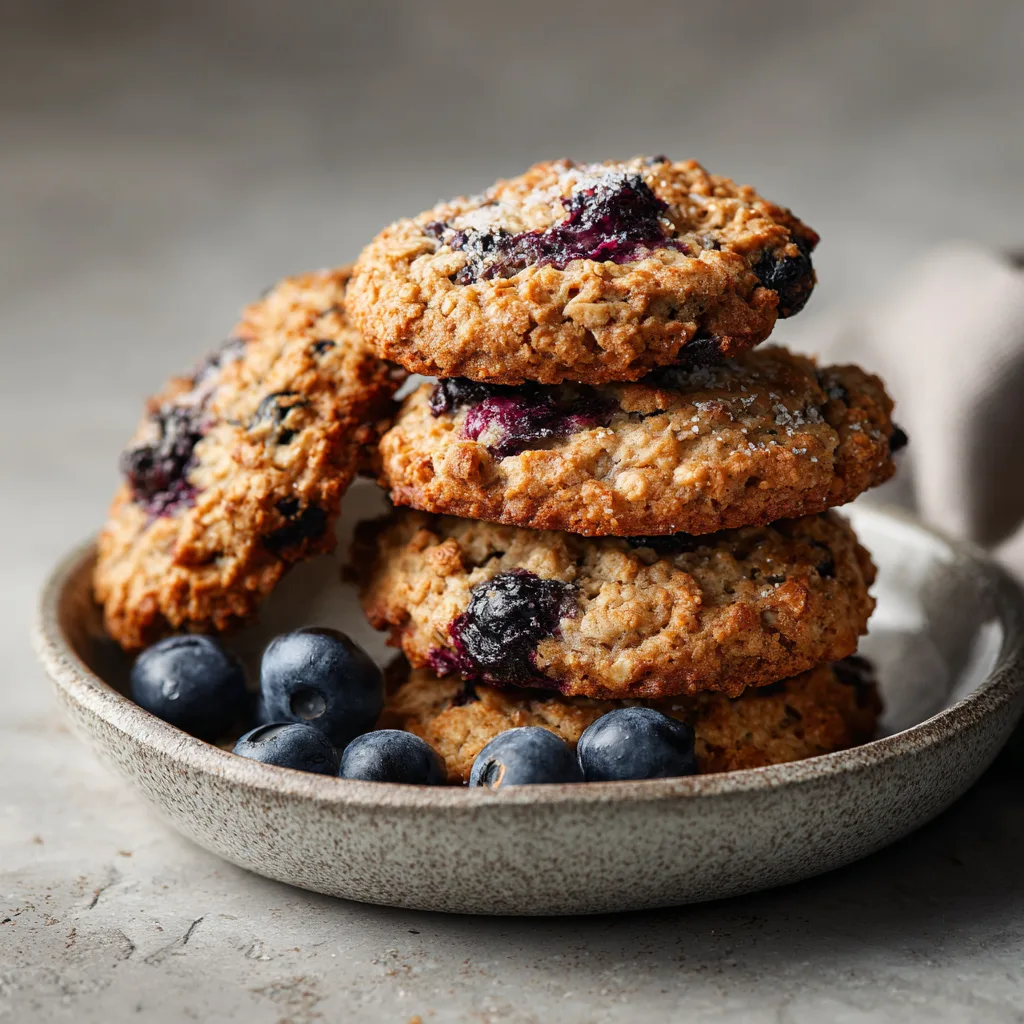
Many bakers wonder if they can use frozen blueberries. While frozen berries are fantastic for muffins and pancakes, they are risky in cookie dough. As they thaw, they release a significant amount of water. If you must use frozen berries, do not thaw them first; toss them into the dough straight from the freezer. However, for the absolute best texture, aesthetic, and flavor—as seen in the glorious, jammy pockets in our reference photo—fresh blueberries are the superior choice. When it is time to add them to the dough, put your electric mixer away. You must fold the blueberries in by hand using a flexible silicone spatula, scraping the bottom of the bowl and folding the dough over the berries gently to prevent them from bursting before they hit the oven.
3. Flavor Enhancers: The Magic of Lemon, Cinnamon, and Salt
While oats, butter, and blueberries are a delightful trio, they need supporting actors to truly shine. To prevent the cookie from tasting flat or overly sweet, we rely on a carefully curated blend of flavor enhancers. First, a touch of warm spice is essential. A generous teaspoon of high-quality ground cinnamon bridges the gap between the earthy oats and the sweet fruit, adding a layer of cozy complexity. For an even deeper flavor profile, a tiny pinch of freshly grated nutmeg can work wonders.
However, the most important secret ingredient in this recipe is lemon zest. Blueberries and lemon are culinary soulmates. The bright, acidic oils found in lemon zest cut through the richness of the butter and the heavy sweetness of the brown sugar, making the blueberry flavor pop vibrantly on your palate. You don’t want the cookie to taste strictly like a lemon cookie; you just want a teaspoon of freshly grated zest rubbed into your sugars before creaming to release those aromatic oils. Finally, salt is not to be skipped. Salt enhances sweetness. A proper dose of kosher salt in the dough, and perhaps a delicate sprinkle of flaky sea salt on top of the cookies just as they come out of the oven, will balance the flavors perfectly.
4. The Art of the Bake: Dough Resting and Oven Temperatures
Patience is a virtue, especially in baking. Once you have mixed your beautiful dough, you might be tempted to scoop it and bake it immediately. Resist this urge. Oatmeal cookie dough vastly benefits from resting in the refrigerator for at least 30 to 60 minutes. This resting period serves two vital purposes. First, it chills the butter, which prevents the cookies from spreading into thin puddles in the hot oven. Second, and more importantly, it allows the oats to hydrate. The rolled oats will absorb the moisture from the eggs and butter, softening slightly and integrating more fully into the dough. This results in a thicker, more cohesive, and chewier final product.
When it comes to baking, temperature and timing are everything. Bake these cookies in an oven preheated to 350°F (175°C). The trick to a chewy cookie is slightly underbaking the center. You want to pull the baking sheet out of the oven when the edges are golden brown and set, but the centers still look soft, pale, and slightly underdone. Do not panic! This is where “carryover cooking” comes into play. If you leave the cookies on the hot baking sheet for 5 to 10 minutes after removing them from the oven, they will continue to bake gently from the residual heat. This sets the center perfectly while maintaining that soft, gooey texture. If you bake them in the oven until they look completely done, they will be hard and crunchy once cooled.
5. Dietary Adaptations and Storage Solutions
The beauty of this recipe is its adaptability. If you are baking for someone with a gluten intolerance, you can easily swap the all-purpose flour for a high-quality 1:1 gluten-free baking blend. Just ensure that your rolled oats are explicitly certified gluten-free, as standard oats are often processed in facilities that handle wheat. For a dairy-free version, a solid, high-fat vegan butter block (not the spreadable tub kind) can be substituted, though the cookies may spread slightly more.
Proper storage is essential to maintain that glorious chewy texture for days after baking. Once the cookies have cooled completely on a wire rack, transfer them to an airtight container. A brilliant baker’s trick to keep them soft is to place a small piece of plain white bread in the container with the cookies. The cookies will draw moisture from the bread, staying incredibly soft and chewy for up to 5 days, while the piece of bread turns hard. If you want to enjoy these long-term, this dough freezes beautifully. Scoop the dough into balls, freeze them solid on a baking sheet, and then transfer them to a freezer bag. You can bake them straight from frozen, simply adding 1 to 2 extra minutes to your baking time.
Ingredients
- – 1 1/2 cups old-fashioned rolled oats (not quick oats)
- – 1 1/4 cups all-purpose flour (spooned and leveled)
- – 1/2 teaspoon baking soda
- – 1/2 teaspoon salt
- – 1 teaspoon ground cinnamon
- – 1/2 cup (1 stick) unsalted butter, softened to room temperature
- – 3/4 cup packed light brown sugar
- – 1/4 cup granulated white sugar
- – 1 large egg, room temperature
- – 1 1/2 teaspoons pure vanilla extract
- – 1 teaspoon fresh lemon zest (optional, but highly recommended)
- – 1 cup fresh blueberries, washed and completely dried
- – Granulated sugar or coarse sugar (for sprinkling on top)
Instructions
- Prep the Dry Ingredients: In a medium-sized bowl, whisk together the rolled oats, all-purpose flour, baking soda, salt, and ground cinnamon. Set this mixture aside.
- Cream Butter and Sugars: In the large bowl of a stand mixer fitted with a paddle attachment (or using a hand mixer), beat the softened butter, brown sugar, granulated sugar, and lemon zest on medium-high speed for 2 to 3 minutes, until the mixture is light, fluffy, and creamy.
- Add Wet Ingredients: Scrape down the sides and bottom of the bowl with a rubber spatula. Add the room-temperature egg and vanilla extract. Beat on medium speed until completely combined.
- Combine Wet and Dry: Turn the mixer to low speed. Gradually add the dry oat and flour mixture to the wet ingredients. Mix just until no streaks of dry flour remain. Do not overmix, or the cookies will become tough.
- Fold in the Berries: Remove the bowl from the mixer. Using a flexible silicone spatula, very gently fold the fresh, dry blueberries into the dough. Be careful not to crush them.
- Chill the Dough: Cover the bowl tightly with plastic wrap and refrigerate the dough for at least 30 minutes (up to overnight) to allow the oats to hydrate and the butter to firm up.
- Preheat and Scoop: Preheat your oven to 350°F (175°C). Line two large baking sheets with parchment paper. Using a large cookie scoop (about 2-3 tablespoons of dough per cookie), scoop the chilled dough onto the prepared baking sheets, spacing them about 2 inches apart. Sprinkle the tops lightly with a pinch of granulated or coarse sugar.
- Bake to Perfection: Bake for 12 to 14 minutes. The cookies are done when the edges are golden brown and set, but the centers still appear very soft and slightly underbaked.
- Cool and Set: Remove from the oven and allow the cookies to cool on the baking sheet for exactly 10 minutes. This carryover cooking is crucial. After 10 minutes, use a spatula to carefully transfer them to a wire rack to cool completely.
✨ A Sweet Conclusion: Savoring Every Bite ✨
Baking a batch of these bakery-style Chewy Blueberry Oatmeal Cookies is a rewarding experience that fills your kitchen with the intoxicating aromas of toasted oats, warm cinnamon, and sweet berries. By taking the time to hydrate your oats, balance your sugars, and gently fold in fresh fruit, you transcend the boundaries of a standard cookie and create a masterpiece of texture and flavor. These cookies are perfect alongside a hot cup of morning coffee, served with a cold glass of milk in the afternoon, or packed in a picnic basket for a sunny day out. They are rustic, forgiving, and undeniably delicious. So tie your apron, preheat that oven, and get ready to bake what just might become your new favorite cookie recipe. Happy baking!