The Ultimate Spicy Szechuan Dan Dan Noodles: A Symphony of Heat and Flavor 🌶️🍜
There is a specific category of comfort food that doesn’t just fill your stomach; it awakens your senses, warms your soul, and leaves a lingering memory on your palate. At the very top of this list sits the iconic, fiery, and deeply savory Spicy Szechuan Dan Dan Noodles. If you have ever stared at a bowl of glossy, wide ribbon noodles coated in a vibrant red chili oil, topped with crispy minced meat and fresh aromatics, you know the immediate craving it induces. This dish is not just a meal; it is an experience of textures and temperatures that defines the brilliance of Szechuan cuisine.
In this comprehensive guide, we are going to explore the art of making the perfect bowl of spicy noodles right in your own kitchen. We will dive deep into the balance of the sauce—the interplay between the nutty sesame paste and the fierce chili oil—and the importance of the noodle texture. Whether you are a seasoned home cook or a beginner looking for a quick but impressive dinner, this recipe is designed to be accessible yet authentically delicious. Get ready to transform simple ingredients into a restaurant-quality masterpiece that tastes exactly like the picture that inspired your craving.
The Origins and Evolution of a Street Food Classic 🇨🇳
Before we fire up the wok, it is essential to understand the heritage of the dish we are creating. Dan Dan Noodles (or Dan Dan Mian) originated in the Sichuan province of China. The name “Dan Dan” refers to the carrying pole (dan dan) that street vendors used to carry across their shoulders. On one end of the pole hung a basket containing noodles, and on the other, a basket with the sauce and cooking equipment. It was the original “fast food”—mobile, affordable, and incredibly flavorful.
Originally, this dish was a small snack rather than a main course, meant to be eaten quickly on the roadside. The traditional version is actually quite dry, with a small amount of intense sauce at the bottom of the bowl that the diner mixes in. However, as the dish traveled across the globe, it evolved. The version we are making today—often popularized in modern Asian-fusion restaurants—features a more generous amount of sauce, a “soupier” consistency, and focuses heavily on the interplay of the meat topping and the wide, chewy noodles. It bridges the gap between the traditional dry noodle and a hearty noodle soup, giving you the best of both worlds.

The Science of Flavor: Anatomy of the Perfect Sauce 🥣
The secret to this recipe lies entirely in the sauce. You cannot simply throw soy sauce on noodles and expect the same result. The magic of Szechuan cooking relies on a complex flavor profile known as Ma La. “Ma” refers to the numbing sensation caused by Sichuan peppercorns, while “La” refers to the heat from chili peppers.
1. The Numbing Heat (Ma La)
To achieve the authentic taste, we rely on chili oil and, optionally, ground Sichuan peppercorns. The chili oil provides the rich red color and the initial kick of heat. It coats the noodles, ensuring that every strand delivers a punch of flavor. If you can find Sichuan peppercorns, toasting and grinding them adds a citrusy, floral aroma and a tingling sensation that makes the chili heat more palatable and addictive.
2. The Nutty Foundation
To balance the aggressive heat, we use a base of sesame paste or tahini. In China, Zhimajiang (sesame paste) is used, which has a deep, roasted flavor. In Western kitchens, high-quality unsweetened peanut butter or tahini makes an excellent substitute. This ingredient adds creaminess and richness, coating the mouth and mitigating the sharpness of the spice, creating a luscious, velvety mouthfeel.
3. Umami Bombs
The savory depth comes from soy sauce, dark soy sauce (for color), and often a splash of black vinegar. The vinegar is crucial—it provides a subtle acidity that cuts through the heavy oil and fat, brightening the entire dish. Without it, the noodles can feel too heavy; with it, they become irresistible.
Choosing Your Noodles: Texture is Everything 🍜
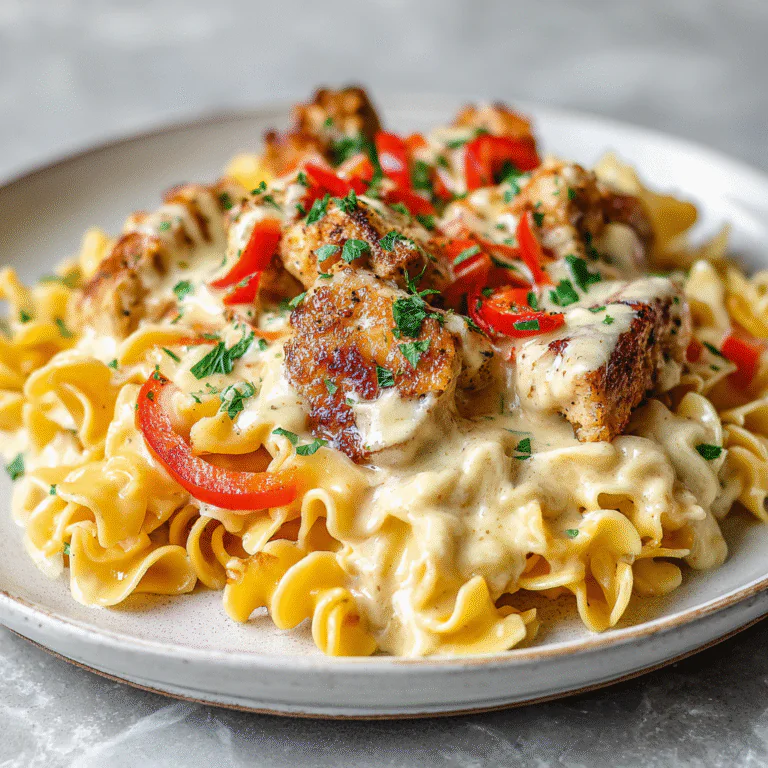
Look closely at the image of the dish. You will notice the noodles are not thin vermicelli; they are wide, wavy, and substantial. These are often called “knife-cut” noodles, “ribbon” noodles, or Guan Miao noodles. Why does the shape matter?
Surface Area: Wide noodles offer more surface area for the sauce to cling to. The wavy edges (ruffles) act as little pockets that trap the minced meat and chili oil, ensuring that you get a perfect bite of noodles, sauce, and topping every time.
Chewiness (Q-Texture): In Asian cuisine, the texture of the noodle is just as important as the taste. We aim for a texture often described as “Q”—bouncy, chewy, and slightly firm to the bite (similar to al dente in Italian cooking). Wheat noodles are preferred here over rice noodles because the gluten structure provides that necessary chew.
The Protein: Crispy Savory Meat Topping 🥩
The topping in this recipe is not just boiled ground meat; it is a flavor component in its own right. Traditionally, pork is used due to its high fat content, which renders out and flavors the cooking oil. However, beef is a fantastic substitute for a bolder, meatier taste, and chicken or turkey can be used for a lighter version.
The key technique here is rendering. You want to cook the meat until the moisture evaporates and it begins to fry in its own fat. This concentrates the flavor and changes the texture from mushy to slightly crispy. We season the meat directly with Hoisin sauce or sweet bean sauce, creating a sweet-salty contrast to the spicy noodles below.
Ingredients List 📝
Here is everything you need to recreate this spicy masterpiece. Prepare your workspace (mise en place) before you start cooking, as the process moves quickly once the heat is on.
Spicy Szechuan Dan Dan Noodles
Ingredients
Equipment
Method
- Whisk together soy sauces, sesame paste, chili oil, vinegar, sugar, and garlic in a bowl until creamy.
- Heat a wok over medium-high heat. Add ground pork and cook until browned and crispy.
- Add ginger, Shaoxing wine, and hoisin sauce to the pork. Stir fry for 2 minutes until glossy. Set aside.
- Boil noodles in a large pot according to package instructions (about 4-6 minutes).
- Reserve 1/4 cup of boiling noodle water just before draining.
- Whisk the hot noodle water into the sauce base to loosen it.
- Drain noodles and toss immediately in the sauce bowl to coat thoroughly.
- Top with the crispy pork, scallions, and sesame seeds. Serve hot.
Notes
The Sauce Base
- 2 tablespoons soy sauce (light)
- 1 tablespoon dark soy sauce (for rich color)
- 2 tablespoons Chinese sesame paste (or Tahini / smooth peanut butter)
- 3 tablespoons Chili Oil with sediment (adjust according to spice tolerance)
- 1 tablespoon Chinkiang black vinegar (or balsamic vinegar mixed with rice vinegar)
- 1 teaspoon sugar
- 1/2 teaspoon ground Sichuan peppercorns (optional, for numbing effect)
- 2 cloves garlic, finely minced
- 1/4 cup hot noodle water (reserved from boiling pot)
The Meat Topping
- 200g (7 oz) ground pork (or ground beef/chicken)
- 1 teaspoon ginger, fresh and minced
- 1 teaspoon vegetable oil
- 1 tablespoon Hoisin sauce (or Sweet Bean Sauce)
- 1 tablespoon Shaoxing wine (or dry sherry)
The Noodles & Garnish
- 300g wide wavy wheat noodles (dried or fresh knife-cut style)
- 2 stalks green onions (scallions), chopped finely
- 1 tablespoon white sesame seeds, toasted
- 1 cup leafy greens (baby bok choy or spinach), optional blanche
Step-by-Step Instructions 👩🍳
Follow these steps closely to ensure the timing results in hot, perfectly textured noodles.
- Make the Sauce Base:
In a medium mixing bowl, whisk together the soy sauce, dark soy sauce, sesame paste (or tahini), chili oil, vinegar, sugar, ground Sichuan peppercorns, and minced garlic. Whisk vigorously until the sesame paste is fully emulsified and the sauce looks creamy. Set this bowl aside. - Cook the Meat Topping:
Heat a wok or large skillet over medium-high heat with 1 teaspoon of oil. Add the ground meat. Break it apart with a spatula and cook until it changes color and releases its water. Continue cooking until the water evaporates and the meat starts to sizzle and brown (about 4-5 minutes). Add the minced ginger and Shaoxing wine to deglaze the pan. Stir in the Hoisin sauce and cook for another 1-2 minutes until the meat is dark, glossy, and slightly crispy. Remove from heat and set aside. - Boil the Noodles:
Bring a large pot of water to a rolling boil. Add the wide noodles and cook according to the package instructions. (Usually 4-6 minutes for dried ribbon noodles). Crucial Step: About 30 seconds before the noodles are done, scoop out 1/4 cup of the boiling starchy water. - Blanch Greens (Optional):
If using bok choy or spinach, toss them into the boiling water with the noodles for the last 45 seconds of cooking. - Assemble the Sauce:
Pour the hot reserved noodle water into your sauce bowl (from Step 1) and whisk again. This loosens the paste and creates a silky consistency that coats the noodles perfectly. - Combine and Serve:
Drain the noodles (and greens) thoroughly. Immediately transfer them into the bowl with the sauce. Toss the noodles well until every strand is coated in the red-brown savory sauce. - Top and Garnish:
Spoon the crispy meat mixture generously over the noodles. Sprinkle with the fresh chopped green onions and toasted sesame seeds. Serve immediately while piping hot.
Tips for Success and Common Mistakes 🚫
Even simple recipes have pitfalls. Here is how to avoid them and ensure your Dan Dan noodles are perfect every time.
Don’t skip the Noodle Water: The starch in the boiling water acts as a binding agent. If you use plain hot water, the sauce might separate or slide off the noodles. The starchy water emulsifies the oils and sesame paste into a unified cream.
Avoid Overcooking Noodles: Asian wheat noodles can turn mushy very quickly. Always test a noodle 1 minute before the package says it should be done. You want a firm bite.
Customize the Chili Oil: The color of this dish comes from the red oil. If you want the look but less heat, you can make a “fake” chili oil by steeping paprika in warm oil, or simply buy a mild chili crisp. If you love heat, look for oils with “extra spicy” labels or add fresh Thai chilies to the garnish.
Variations: Making it Your Own 🔄
One of the best things about this recipe is its versatility. Here are a few ways to adapt the dish:
Vegetarian / Vegan Version
Swap the ground meat for minced shiitake mushrooms or firm tofu crumbled with a fork. Sauté the mushrooms/tofu exactly as you would the meat, using Hoisin sauce to glaze them. The texture of fried mushrooms mimics the meat surprisingly well.
Peanut-Free Version
If you have a peanut allergy, stick strictly to sesame paste (tahini). If you have a sesame allergy, you can use sunflower butter, though the flavor profile will shift slightly.
Soup Version
If you prefer a noodle soup rather than a saucy noodle dish, simply add 1.5 cups of chicken or vegetable broth to the sauce base instead of the 1/4 cup of pasta water. This creates a rich, spicy broth that is perfect for cold winter nights.
Serving Suggestions and Pairings 🍽️
These noodles are rich and flavorful, so they pair best with refreshing, acidic, or crunchy sides to cleanse the palate.
- Smashed Cucumber Salad: Cold cucumbers dressed in vinegar, garlic, and sesame oil provide a cool, crisp contrast to the hot, soft noodles.
- Steamed Edamame: A simple, light side that adds protein without competing with the main flavor.
- Pickled Radishes: The tanginess of pickles cuts through the richness of the sesame and chili oil.
- Beverage Pairing: An ice-cold beer, a crisp Riesling, or a cold soy milk (sweetened) works wonders to tame the Szechuan heat.
Conclusion: A Bowl of Happiness
Mastering these Spicy Szechuan Dan Dan Noodles is a game-changer for your home cooking rotation. It proves that you don’t need hours of simmering or complicated techniques to create a meal that looks and tastes like it came from a high-end noodle bar. The combination of the chewy wide noodles, the nutty and fiery sauce, and the savory meat topping satisfies every craving imaginable—salty, spicy, sweet, and umami.
So, grab your chopsticks, mix that sauce deep into the noodles, and enjoy the explosion of flavors. It’s quick enough for a Tuesday night dinner but special enough to impress guests at a weekend gathering. Once you try this homemade version, you might never order takeout noodles again!
Ready to cook? Check your pantry for sesame paste and chili oil, and get that water boiling. Your new favorite meal is just 15 minutes away!