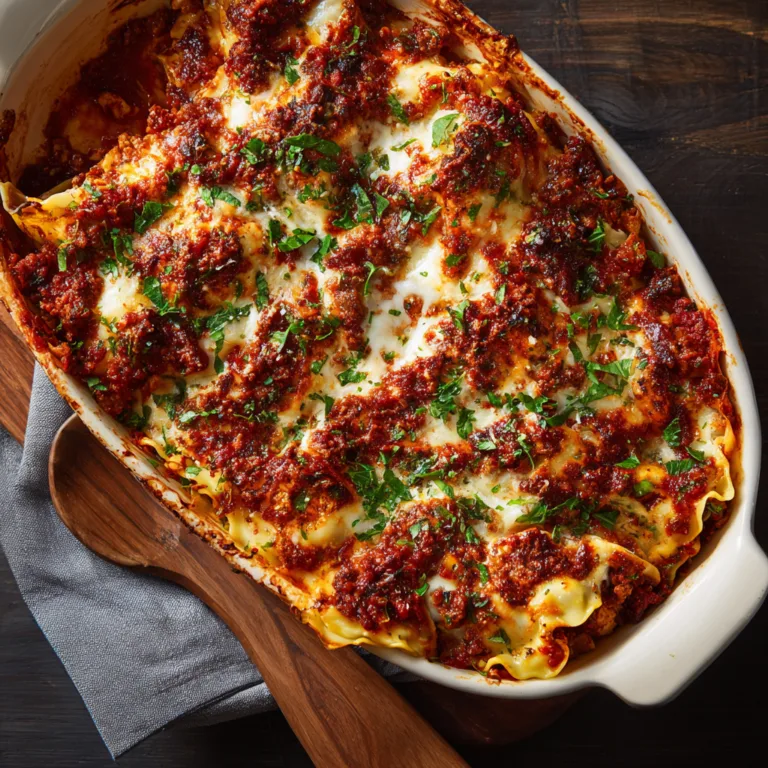
🍖 Horseradish Pot Roast: The Ultimate Comfort Food Recipe for Family Dinners 🥔
There’s something deeply satisfying about a perfectly cooked pot roast that fills your home with incredible aromas and brings the entire family together around the dinner table. This Horseradish Pot Roast recipe takes the classic comfort food to new heights by incorporating the bold, zesty kick of horseradish that cuts through the rich, tender beef and creates a flavor profile that’s both familiar and excitingly different. Whether you’re planning a special Sunday dinner, looking for the perfect cold-weather meal, or simply craving the kind of hearty, soul-warming food that reminds you of home, this pot roast delivers on every level with minimal effort and maximum deliciousness.
The beauty of pot roast lies in its forgiving nature and the way it transforms tough, inexpensive cuts of beef into melt-in-your-mouth tender meat through slow, gentle cooking. This horseradish version adds an unexpected twist that elevates the dish from simple comfort food to something memorable and special. The pungent bite of horseradish complements the rich beef perfectly, while carrots, potatoes, and onions cook alongside the meat, absorbing all those wonderful flavors and creating a complete one-pot meal that requires surprisingly little hands-on time despite delivering restaurant-quality results.
What makes this horseradish pot roast truly special is the depth of flavor achieved through proper searing and long, slow braising. The initial searing creates a deeply caramelized crust on the beef that adds complex flavors to the final dish, while the extended cooking time in liquid breaks down tough connective tissues and transforms the meat into fork-tender perfection. The horseradish works its magic throughout the cooking process, infusing the meat with its distinctive flavor while mellowing slightly as it cooks, creating a perfect balance between bold and subtle that even those who think they don’t like horseradish find absolutely delicious.
This recipe proves that impressive, crowd-pleasing meals don’t require complicated techniques or exotic ingredients. With basic vegetables, a good quality beef chuck roast, and the star ingredient horseradish, you can create a meal that tastes like you spent all day in the kitchen when the reality involves just thirty minutes of prep work followed by hands-off cooking time. The transformation that occurs as the pot roast braises slowly in the oven or slow cooker seems almost magical, turning simple ingredients into something truly spectacular that fills your home with mouthwatering aromas and anticipation.
The versatility of this horseradish pot roast makes it suitable for various occasions and cooking methods. Whether you prefer using your Dutch oven in the oven for traditional braising, your slow cooker for ultimate convenience, or your Instant Pot for faster results, this recipe adapts beautifully to different cooking vessels while maintaining its essential character and delicious results. Each method produces tender, flavorful beef surrounded by perfectly cooked vegetables and rich gravy that begs to be sopped up with crusty bread or spooned over mashed potatoes.
One of the greatest advantages of pot roast is its make-ahead friendly nature and the way it actually improves when prepared in advance. The flavors deepen and meld together as the dish sits, making it an excellent choice for meal prep or for preparing the day before a gathering. Simply reheat gently before serving, and you’ll have a hot, delicious meal ready with minimal last-minute effort. This characteristic makes horseradish pot roast perfect for busy families who want homemade meals without daily cooking marathons, or for hosts who prefer having dishes prepared ahead so they can enjoy their own parties.
The nutritional profile of this pot roast offers more than just comfort and flavor. Beef provides high-quality protein and essential nutrients including iron, zinc, and B vitamins, while the vegetables add fiber, vitamins, and minerals that contribute to a balanced, satisfying meal. The slow cooking method allows you to use less expensive, tougher cuts of meat that become tender through braising, making this an economical choice that doesn’t sacrifice quality or taste. When you consider that this single dish provides protein, vegetables, and rich gravy all in one pot, the convenience and nutritional value become even more appealing.
Creating the perfect horseradish pot roast starts with selecting the right cut of beef. Chuck roast stands as the gold standard for pot roast due to its ideal balance of meat and fat, along with enough connective tissue to keep the meat moist and flavorful during long cooking times. Look for a roast with good marbling throughout, as this fat will melt during cooking and keep the meat tender while adding rich flavor. A three to four-pound roast typically serves six to eight people comfortably, though you can easily adjust the recipe size based on your needs and the size of your cooking vessel.
The horseradish component of this recipe deserves special attention, as it truly defines the character of the dish. Both fresh grated horseradish and prepared horseradish sauce work beautifully in this recipe, though they produce slightly different results. Fresh horseradish delivers a more intense, sharp bite that mellows beautifully during cooking, while prepared horseradish sauce adds convenience and a slightly creamier texture to the gravy. Many cooks find that using a combination of both creates the most complex and satisfying flavor profile, with the fresh horseradish providing punch and the prepared sauce adding depth and body to the gravy.
The supporting vegetables in pot roast serve multiple purposes beyond just adding nutritional value and filling out the meal. Carrots bring natural sweetness that balances the pungent horseradish and rich beef, while potatoes add heartiness and help thicken the gravy slightly as they release their starches during cooking. Onions provide aromatic depth and sweetness as they caramelize and soften, creating layers of flavor that make each bite interesting and complex. These three vegetables form the holy trinity of pot roast ingredients, though you can certainly add others like celery, parsnips, or turnips based on your preferences and what’s available seasonally.
The cooking liquid for your horseradish pot roast plays a crucial role in the final flavor and texture of the dish. Beef broth provides a rich, meaty foundation that enhances the beef flavor, while additions like Worcestershire sauce, tomato paste, and red wine add complexity, umami depth, and acidity that brighten the overall taste. The liquid should come about halfway up the sides of the roast, creating enough moisture for proper braising without drowning the meat. As the pot roast cooks, this liquid transforms into an incredibly flavorful gravy that ties the entire dish together and provides the sauce that makes pot roast so comforting and satisfying.
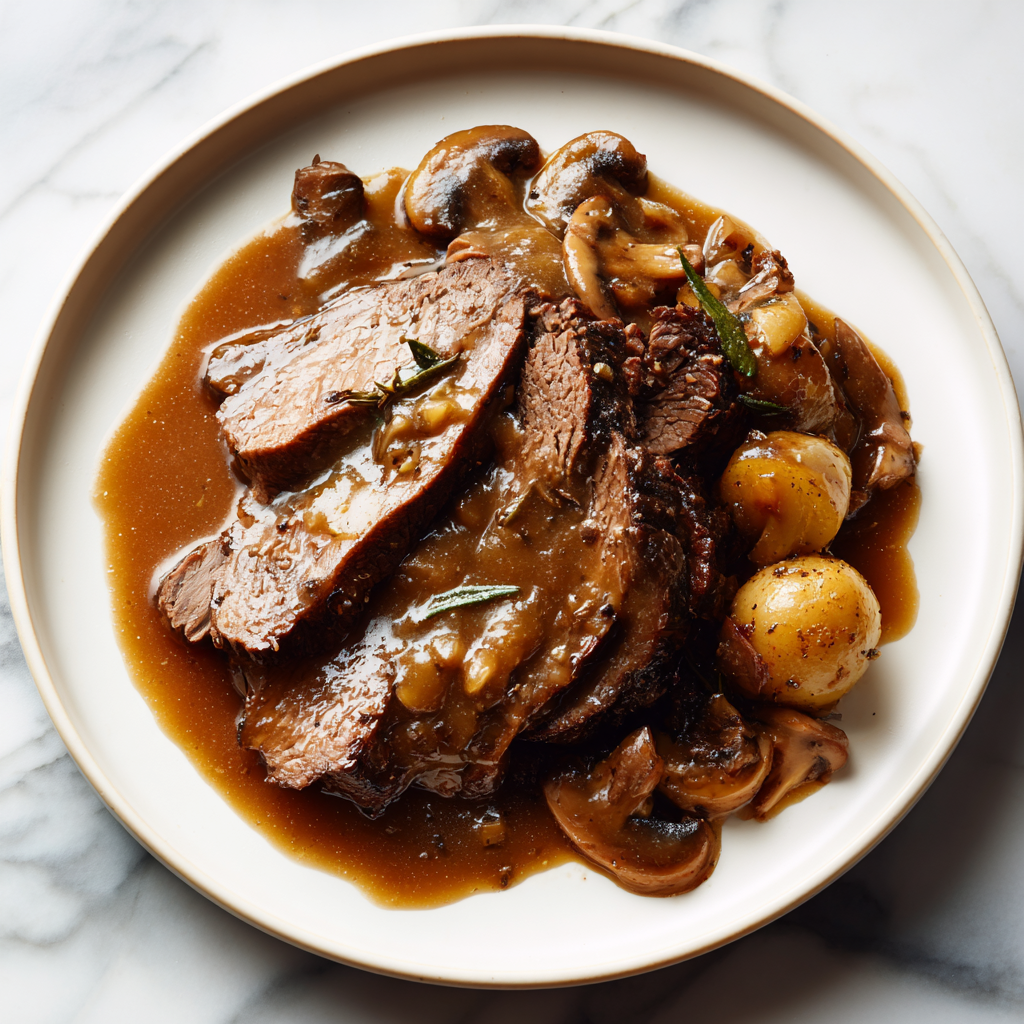
Ingredients
Main Ingredients:
- 3-4 lb beef chuck roast
- 2 tbsp vegetable oil
- 1 large yellow onion, cut into wedges
- 4 large carrots, peeled and cut into 2-inch pieces
- 1.5 lbs russet potatoes, peeled and quartered
- 4 cloves garlic, minced
- 3 tbsp all-purpose flour
- 2 cups beef broth
- 1 cup red wine or additional beef broth
- 3 tbsp prepared horseradish sauce
- 2 tbsp fresh grated horseradish or additional prepared horseradish
- 2 tbsp tomato paste
- 2 tbsp Worcestershire sauce
- 2 bay leaves
- 1 tsp dried thyme
- Salt and black pepper to taste
- Fresh parsley for garnish
Instructions
- Preheat your oven to 325°F (165°C) and pat the beef chuck roast completely dry with paper towels, then season generously on all sides with salt and black pepper.
- Heat vegetable oil in a large Dutch oven over medium-high heat until shimmering, then carefully add the seasoned roast and sear without moving for 4-5 minutes per side until a deep golden-brown crust forms on all surfaces.
- Remove the seared roast to a plate and reduce heat to medium, then add onion wedges to the pot and cook for 3-4 minutes until beginning to soften and brown slightly.
- Add minced garlic and cook for 30 seconds until fragrant, then sprinkle flour over the vegetables and stir constantly for 1-2 minutes to cook out the raw flour taste.
- Slowly pour in beef broth and red wine while stirring constantly to prevent lumps, then add tomato paste, Worcestershire sauce, both types of horseradish, bay leaves, and thyme, stirring until well combined.
- Return the seared roast to the pot along with any accumulated juices, nestle the carrots and potatoes around the meat, and bring the liquid to a simmer.
- Cover the Dutch oven with a tight-fitting lid and transfer to the preheated oven, cooking for 3-3.5 hours until the beef is fork-tender and easily pulls apart.
- Remove from oven and let rest for 10-15 minutes, then transfer roast and vegetables to a serving platter, skim excess fat from gravy, and serve hot garnished with fresh parsley.
- For slow cooker method, sear meat as directed, then place in slow cooker with remaining ingredients and cook on low for 8-10 hours or high for 5-6 hours until tender.
- For Instant Pot method, use sauté function to sear meat and cook aromatics, then pressure cook on high for 60-75 minutes with natural release for best results.
🔥 Mastering the Perfect Sear for Maximum Flavor 🔥
The initial searing step might seem optional or merely aesthetic, but it actually creates the foundation for the entire dish’s flavor profile through a process called the Maillard reaction. This chemical reaction between amino acids and sugars occurs at high temperatures and produces hundreds of new flavor compounds that add complexity, depth, and that characteristic “roasted” taste we associate with well-cooked meat. Skipping this step results in a significantly less flavorful pot roast, so resist the temptation to save time by omitting it.
Achieving a proper sear requires patience and the right technique. First, ensure your roast is completely dry by patting it thoroughly with paper towels, as any surface moisture will create steam that prevents proper browning. Heat your Dutch oven and oil until the oil shimmers but doesn’t smoke, indicating it’s reached the optimal temperature for searing. Place the roast in the pan and resist the urge to move it for at least four minutes, allowing an uninterrupted crust to form. The meat will naturally release from the pan when properly seared, so if it’s sticking, give it another minute before attempting to flip.
The fond that develops on the bottom of your pot during searing represents concentrated flavor that shouldn’t be wasted. Those brown bits contain incredible depth and complexity that will enrich your gravy significantly. When you add the cooking liquid, make sure to scrape the bottom of the pot thoroughly with a wooden spoon to release all those flavorful browned bits, a process called deglazing. This step ensures that all the flavor you created during searing gets incorporated into the final dish rather than remaining stuck to your pot.
🥕 Selecting and Preparing Vegetables for Pot Roast Success 🥔
The vegetables in your horseradish pot roast deserve as much attention as the meat itself, as they contribute significantly to both flavor and satisfaction. Choose firm, fresh carrots with bright orange color and no signs of limpness or sprouting, as these will hold their shape better during the long cooking time. Large carrots work better than baby carrots for pot roast because you can cut them into substantial chunks that won’t disintegrate during braising. Aim for roughly two-inch pieces that will cook evenly and remain intact while becoming tender and sweet.
Potato selection matters more than many home cooks realize when making pot roast. Russet potatoes with their high starch content work beautifully because they absorb flavors well and help thicken the gravy slightly as they release starch during cooking. Waxy potatoes like red or fingerling varieties can also work but will maintain a firmer texture and won’t contribute as much to gravy thickness. Cut potatoes into quarters or large chunks similar in size to your carrot pieces to ensure even cooking, and consider leaving the skin on russets for additional nutrition, texture, and rustic appearance.
Onions provide essential aromatic foundation and natural sweetness to pot roast, but the way you prepare them affects how they perform during cooking. Cutting onions into thick wedges rather than thin slices allows them to hold their shape throughout the long braising time while still softening and becoming sweet. The layers will separate slightly during cooking, creating tender ribbons of onion throughout the dish that add both flavor and visual appeal. Yellow onions work best for pot roast due to their balanced flavor, though sweet onions can be used if you prefer a more pronounced sweetness in your final dish.
🌿 Understanding the Horseradish Element and Flavor Balance 🌿
Horseradish brings a unique flavor profile to pot roast that sets this version apart from traditional preparations. The compound responsible for horseradish’s distinctive bite is allyl isothiocyanate, the same compound found in wasabi and mustard that creates that characteristic nasal-clearing heat. Unlike capsaicin in chili peppers which creates burning heat on the tongue, horseradish’s heat is more volatile and sharp, hitting the sinuses before quickly dissipating. This makes it bold without being overwhelming, especially after the mellowing that occurs during long cooking times.
Fresh horseradish delivers the most intense flavor but requires careful handling and preparation. The root must be peeled and grated finely, preferably in a well-ventilated area as the pungent oils can be quite powerful when first released. Many cooks prefer doing this outside or near an open window to avoid the strong fumes. Fresh horseradish should be added toward the end of cooking to preserve its bite, or use a combination where some goes in at the beginning for subtle background flavor and more is added near the end for brightness and punch.
Prepared horseradish sauce offers convenience and a slightly different flavor profile due to the vinegar and other ingredients mixed with the grated horseradish root. The vinegar acts as a stabilizer that preserves the horseradish’s flavor while adding its own tangy note that brightens the rich beef and gravy. When using prepared horseradish, you can add it at the beginning of cooking with confidence that it will maintain its character throughout the braising process. Look for brands with minimal added ingredients, and check the label to ensure horseradish appears first in the ingredient list for the strongest, most authentic flavor.
🍷 Choosing the Right Cooking Liquid for Optimal Results 🍷
The liquid component of your pot roast creates the environment in which the meat transforms from tough to tender while simultaneously developing into the gravy that sauce s the final dish. Beef broth provides the most straightforward, beefy foundation that enhances rather than competes with the main ingredient. Low-sodium beef broth offers the best control over final seasoning, as you can adjust salt levels to your preference without risking an overly salty result. The quality of your broth matters significantly, so consider using homemade beef stock or high-quality store-bought broth rather than bargain brands that taste more like salted water.
Red wine adds complexity, acidity, and depth to pot roast that elevates it from simple to sophisticated. The alcohol cooks off completely during the long braising time, leaving behind concentrated flavor compounds and tannins that enhance the beef and add layers of complexity to the gravy. Dry red wines work best, with Cabernet Sauvignon, Merlot, or Pinot Noir being excellent choices. You don’t need to use expensive wine, but follow the rule of only cooking with wine you’d be willing to drink, as cooking concentrates flavors including any off-notes from poor-quality wine.
For those who prefer not to cook with alcohol, additional beef broth combined with a splash of red wine vinegar or balsamic vinegar provides the acidity that brightens the dish without the wine. The acid component is crucial for cutting through the richness of the beef and fat, preventing the final dish from tasting heavy or one-dimensional. Worcestershire sauce contributes umami depth and complexity through its fermented ingredients, while tomato paste adds body, color, and a subtle sweetness that rounds out the flavor profile beautifully.
⏰ Mastering Different Cooking Methods and Timing ⏰
Traditional oven braising in a Dutch oven produces the most even, controlled results and allows for the best browning and texture development. The 325°F temperature creates the ideal environment for breaking down tough connective tissue without drying out the meat. The low, steady heat combined with the moisture from the braising liquid and the tight-fitting lid creates a self-basting environment where the meat cooks gently in its own juices. Plan for approximately one hour per pound of meat, though the best indicator of doneness is tenderness rather than time. The roast is ready when a fork slides in with minimal resistance and the meat practically falls apart.
Slow cooker preparation offers maximum convenience for busy schedules, allowing you to prep in the morning and return home to a fully cooked dinner. The low-and-slow heat of a slow cooker produces exceptionally tender meat, though you sacrifice some of the concentrated flavors achieved through traditional oven braising. To compensate, take the extra time to sear your roast properly before adding it to the slow cooker, as this initial browning step contributes crucial flavor that the slow cooker alone cannot create. Eight to ten hours on low or five to six hours on high typically produces perfect results, though timing varies based on your specific slow cooker model and the size of your roast.
Instant Pot and pressure cooker methods dramatically reduce cooking time while still producing tender, flavorful results. The high-pressure environment breaks down connective tissue quickly, turning what normally takes three to four hours into just over one hour of pressurized cooking time. Use the sauté function to sear your meat directly in the Instant Pot, saving a dish and keeping all those flavorful browned bits in the pot. Allow for natural pressure release after cooking completes, as quick release can make the meat tough. The trade-off with pressure cooking is slightly less concentrated flavor in the gravy compared to traditional methods, though you can compensate by reducing the liquid after cooking if desired.
🍽️ Serving Suggestions and Perfect Accompaniments 🍽️
This horseradish pot roast shines brightest when served family-style on a large platter with all the vegetables arranged around the carved meat and the gravy served alongside in a gravy boat or pitcher. The presentation creates an inviting, abundant display that encourages people to dig in and help themselves, fostering the communal, comforting atmosphere that pot roast dinners naturally inspire. Slice the meat against the grain for maximum tenderness, and don’t worry if some pieces fall apart – that’s a sign of perfect doneness and adds to the homestyle appeal.
Traditional accompaniments that complement horseradish pot roast include mashed potatoes for soaking up the incredible gravy, though the potatoes cooked with the roast often suffice. Crusty bread, dinner rolls, or biscuits provide another vehicle for enjoying every drop of that flavorful gravy while adding textural contrast to the tender meat and vegetables. A simple green salad with a tangy vinaigrette offers refreshing contrast to the rich main dish, while roasted or steamed green beans add color and a lighter vegetable element to balance the heartiness of the pot roast.
For a complete comfort food experience, consider serving egg noodles or rice alongside the pot roast, creating an even heartier meal that stretches the dish further for large gatherings or provides guaranteed leftovers. The gravy pairs beautifully with these starches, and having multiple options for soaking up the sauce ensures everyone at the table finds something they love. Don’t forget to garnish with fresh parsley or chives for a pop of color and fresh flavor that brightens the rich, brown tones of the dish.
💡 Expert Tips for Troubleshooting and Perfection 💡
If your pot roast turns out tough rather than tender, the most likely culprit is insufficient cooking time rather than too much. Pot roast goes through a phase where it seems tough and chewy before the connective tissue fully breaks down, so patience is essential. If you check your roast and find it still tough at the recommended cooking time, simply continue cooking and checking every thirty minutes until it reaches the desired tenderness. It’s nearly impossible to overcook pot roast when using proper braising techniques with sufficient liquid, so err on the side of longer cooking times.
Gravy that’s too thin can be easily corrected through several methods depending on your preference and available time. The simplest approach involves removing the lid during the last thirty minutes of cooking to allow some liquid to evaporate and naturally concentrate. Alternatively, remove the roast and vegetables to a platter, place the Dutch oven on the stovetop over medium-high heat, and simmer the liquid uncovered until it reduces to your desired consistency. For faster results, mix equal parts softened butter and flour into a paste called beurre manié, then whisk this into the simmering gravy a little at a time until it reaches perfect thickness.
To ensure your horseradish flavor remains prominent in the finished dish, consider adding a final boost of fresh or prepared horseradish just before serving. The long cooking time mellows horseradish significantly, so this last-minute addition provides brightness and that characteristic bite that makes this version special. Stir in one to two tablespoons of prepared horseradish or freshly grated horseradish into the gravy after removing from heat, taste, and adjust until you achieve the perfect balance between rich beef flavor and zesty horseradish punch.
📦 Storage, Reheating, and Meal Prep Success 📦
Pot roast stores exceptionally well and many would argue it tastes even better the next day after the flavors have had time to meld together overnight. Allow the pot roast to cool to room temperature, then transfer the meat, vegetables, and gravy to airtight containers and refrigerate for up to four days. The gravy will likely solidify as the fat congeals on top, making it easy to remove excess fat if desired before reheating. This fat layer actually helps preserve the meat and gravy underneath, so don’t worry if it looks unappetizing when cold – it will melt back into liquid gold when reheated.
For reheating, gentle low heat produces the best results and prevents the meat from drying out or becoming tough. Place pot roast in a covered Dutch oven or baking dish with all the gravy, cover tightly with foil or a lid, and reheat in a 325°F oven for thirty to forty-five minutes until heated through. Alternatively, reheat gently on the stovetop over low heat, stirring occasionally and adding a splash of beef broth if needed to loosen the gravy. Microwave reheating works in a pinch but tends to produce less satisfactory results with tougher meat, so use it only when necessary and reheat at reduced power to minimize toughening.
Freezing pot roast extends its life significantly, making it perfect for batch cooking or preserving leftovers. Allow the pot roast to cool completely, then portion into freezer-safe containers with generous amounts of gravy to prevent freezer burn and keep the meat moist. Frozen pot roast maintains quality for up to three months, though it’s usually eaten long before then due to its deliciousness. Thaw overnight in the refrigerator before reheating using the methods described above, and you’ll have a homemade meal ready with minimal effort on busy weeknights.
🎉 Conclusion: Embracing the Comfort of Horseradish Pot Roast 🎉
This Horseradish Pot Roast represents everything wonderful about home cooking: simple ingredients transformed through patient technique into something truly special that nourishes both body and soul. The combination of tender, flavorful beef, perfectly cooked vegetables, and rich gravy spiked with horseradish’s distinctive bite creates a meal that satisfies on every level while requiring minimal active cooking time. Whether you’re feeding a hungry family on a cold winter evening, hosting a Sunday dinner for friends, or simply treating yourself to the ultimate comfort food, this pot roast delivers consistently delicious results that make people feel loved and well-fed.
The beauty of mastering pot roast lies in its versatility and forgiving nature – once you understand the basic technique, you can adapt it endlessly to suit your preferences, available ingredients, and cooking equipment. This horseradish version offers a template for creativity, inviting you to adjust the heat level, experiment with different vegetables, or try various cooking methods until you find your perfect approach. The confidence gained from successfully preparing pot roast translates to other braised dishes and slow-cooked meals, expanding your cooking repertoire and making you the person friends and family request to bring the main course to gatherings.
Most importantly, this Horseradish Pot Roast creates opportunities for connection and tradition around the dinner table. In our fast-paced world, taking the time to prepare and share a slow-cooked meal represents an act of care and commitment to the people we love. The incredible aromas that fill your home while pot roast cooks, the anticipation that builds throughout the day, and the satisfaction of serving a beautiful, delicious meal you prepared with your own hands all contribute to creating memories and traditions that last far beyond the meal itself. Here’s to many happy pot roast dinners filled with great food, good company, and the simple pleasure of sharing homemade comfort food with the people who matter most!
Horseradish Pot Roast
Ingredients
Equipment
Method
- Preheat oven to 325°F (165°C). Pat beef chuck roast dry with paper towels and season generously with salt and pepper.
- Heat vegetable oil in Dutch oven over medium-high heat. Sear roast 4-5 minutes per side until deep golden-brown crust forms on all surfaces.
- Remove roast to a plate. Add onion wedges to pot and cook 3-4 minutes until beginning to soften.
- Add minced garlic and cook 30 seconds. Sprinkle flour over vegetables and stir constantly for 1-2 minutes.
- Slowly pour in beef broth and red wine while stirring. Add tomato paste, Worcestershire sauce, both types of horseradish, bay leaves, and thyme.
- Return roast to pot with any juices. Nestle carrots and potatoes around meat and bring to a simmer.
- Cover with tight-fitting lid and transfer to oven. Cook 3-3.5 hours until beef is fork-tender.
- Remove from oven and rest 10-15 minutes. Transfer roast and vegetables to serving platter, skim fat from gravy, and serve hot garnished with parsley.