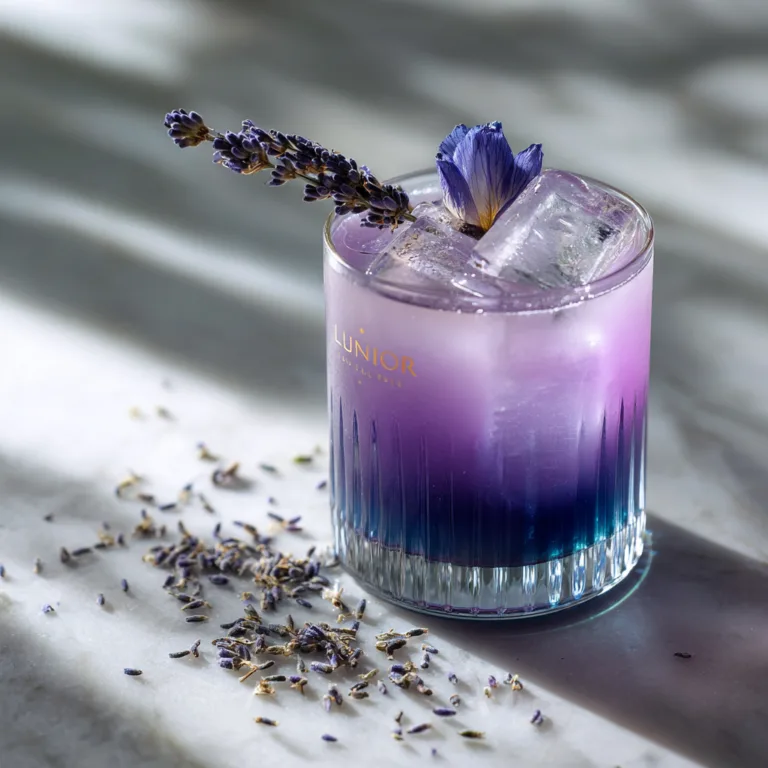
There is a moment in every evening, usually right after a satisfying meal or just as the nightlife energy begins to peak, where the decision between coffee and a cocktail becomes a delightful dilemma. Why choose? The world of coffee cocktails has exploded in popularity over the last decade, transcending the humble Irish Coffee to reach heights of sophistication and flavor complexity that rival the finest wines. Today, we are diving deep into a visually stunning and palate-awakening creation: the Zesty Orange Espresso Cocktail served on the rocks.
While the classic Espresso Martini has reigned supreme since the 1980s, the variation we are exploring today—captured beautifully in the accompanying imagery—adds a layer of citrus brightness and the chill of ice that transforms the drink into something entirely new. It is a beverage that speaks to the soul of the coffee lover while satisfying the craving for a spirited nightcap. In this comprehensive guide, we will explore the history of coffee in mixology, the science behind the perfect foam, the crucial role of citrus oils, and exactly how you can replicate this barista-quality drink in your own kitchen.
The Evolution of Coffee Cocktails: From Energy Boost to Sophistication
To appreciate this Zesty Orange Espresso Cocktail, one must understand the lineage from which it descends. The marriage of caffeine and alcohol is not a modern invention. From the fortified wines of monks to the “café corretta” of Italy, humans have long sought to balance the depressant effects of alcohol with the stimulating properties of caffeine. However, the modern coffee cocktail era owes a massive debt to the late mixology legend Dick Bradsell.
Legend has it that in a London club in the late 80s, a famous model asked for a drink that would “wake me up and f**k me up.” Bradsell mixed vodka, sugar, coffee liqueur, and a shot of hot espresso. The Espresso Martini was born. Our version today, however, takes a slight detour. By serving it “on the rocks” (over ice) in a tumbler rather than a stemmed coupe, and by introducing the vibrant note of orange, we move the drink away from a quick shooter vibe toward a slow-sipping, contemplative experience. The ice dilutes the drink slowly, evolving the flavor profile sip by sip, while the orange cuts through the dark roast bitterness.
The Flavor Profile: Why Orange and Coffee?
You might pause and ask: Does orange really go with coffee? The answer is a resounding yes. In the world of gastronomy, contrasting flavors often create the most memorable experiences. Coffee, specifically espresso, carries deep, roasted, chocolatey, and sometimes earthy notes. It is a heavy flavor profile. Citrus, particularly the essential oils found in the skin of an orange, provides a high-frequency aromatic lift.
When you twist an orange peel over a coffee cocktail, you aren’t just adding a garnish; you are spraying volatile oils (limonene) onto the surface of the foam. When you take a sip, your nose hits the bright citrus scent before your tongue hits the dark coffee. This olfactory priming makes the coffee taste smoother, less bitter, and infinitely more complex. It is the same principle as a chocolate orange confection, but in a sophisticated, liquid form.
Ingredients
The secret to a cocktail that rivals high-end bars lies entirely in the quality of your ingredients. Because this recipe has so few components, there is nowhere for poor quality to hide. Here is what you will need:
Zesty Orange Espresso Cocktail
Ingredients
Equipment
Method
- Brew a fresh shot of espresso and let it sit for a moment but do not let it go cold.
- Fill a cocktail shaker generously with ice cubes.
- Pour the vodka, fresh espresso, coffee liqueur, and simple syrup (if using) over the ice.
- Seal the shaker and shake vigorously for 15-20 seconds to aerate the coffee oils and create foam.
- Place fresh large ice cubes into a chilled rocks glass.
- Strain the cocktail mixture over the ice in the glass.
- Squeeze the orange wedge or zest over the drink to release oils, then place on rim.
- Garnish with three coffee beans on top of the foam and serve immediately.
Notes
– 2 ounces Premium Vodka (Choose a smooth, wheat or potato-based vodka that won’t burn)
– 1 ounce Freshly Brewed Espresso (Must be hot and fresh for the best foam)
– 0.5 ounce Coffee Liqueur (Kahlúa is standard, but Mr. Black offers a more authentic coffee punch)
– 0.25 ounce Simple Syrup (Optional, depending on your sweetness preference)
– Fresh Orange Wedge or Thick Zest (For garnish and oils)
– 3 Whole Coffee Beans (The traditional garnish representing health, wealth, and happiness)
– Large Ice Cubes (For serving)
Instructions
Follow these steps meticulously to ensure you achieve that signature crema foam and the perfect balance of temperature and dilution.
1. Brew the Espresso
Start by pulling a fresh shot of espresso. You want about 1 ounce (30ml). If you don’t have an espresso machine, a very strong concentrate made with an AeroPress or Moka Pot works well. It is crucial to use it while hot or warm to help create the foam during the shake.
2. Prepare the Shaker
Fill a cocktail shaker with plenty of ice. The more ice, the better, as it chills the hot coffee quickly without over-diluting it immediately.
3. Combine Ingredients
Pour the vodka, coffee liqueur, and the freshly brewed espresso over the ice in the shaker. If you prefer a sweeter drink, add the simple syrup now.
4. The Hard Shake
This is the most critical step. Cap your shaker and shake vigorously for at least 15 to 20 seconds. You need to shake harder than you would for a regular martini. You are trying to aerate the natural oils in the coffee to create that thick, beige foam (crema) on top. Listen for the ice breaking down; the shaker should become frosty cold to the touch.
5. Prepare the Glass
Take a chilled rocks glass (old fashioned glass) and place one or two large ice cubes inside. Unlike the classic served “up,” this version is served on the rocks for a refreshing finish.
6. Strain and Pour
Using a Hawthorne strainer, pour the mixture over the fresh ice in your glass. Do this relatively quickly so the foam lands on top of the liquid.
7. Garnish with Citrus
Take your orange wedge or a thick strip of orange peel. Squeeze it gently over the glass to release the oils, then rub the rim of the glass with the skin. Place the orange wedge on the rim or in the drink.
8. The Final Touch
Gently place three coffee beans on top of the foam. Serve immediately.

The Science of the Shake: Achieving the Perfect Foam
One of the most common complaints from home bartenders making coffee cocktails is: “Why is my drink flat?” The beautiful tan layer of bubbles sitting atop the dark liquid in our image is not dairy; it is aerated coffee oils.
Coffee contains natural oils and proteins. When you introduce hot espresso to ice and shake it violently, three things happen: rapid cooling, dilution, and aeration. The air bubbles get trapped inside the protein and oil structure of the espresso, creating a texture similar to the crema on a hot shot of espresso or the head on a Guinness. If you use cold brew or old coffee, the oils have often dissipated or oxidized, making it much harder to get that foam. This is why the “hot espresso, lots of ice” rule is golden.
Glassware Matters: The Rocks Glass Choice
Traditionally, an Espresso Martini is served in a V-shaped martini glass or a rounded coupe. However, the image provided showcases a sturdy, crystal rocks glass (also known as a lowball or Old Fashioned glass). Why choose this?
1. Temperature Control: The addition of fresh ice in the glass keeps the drink colder for longer. If you are sipping slowly, a coupe glass warms up to room temperature quickly.
2. Masculine Aesthetic: The heavy bottom and faceted sides of a crystal rocks glass give the drink a brooding, sophisticated look—perfect for an evening lounge setting.
3. Dilution Evolution: As the ice slowly melts, it mellows the harshness of the vodka and the bitterness of the coffee, making the last sip as enjoyable, albeit lighter, than the first.
Selecting the Right Coffee Beans
Since coffee is the primary flavor driver here, the beans you choose matter. For a cocktail that includes orange, you want a coffee roast that complements citrus.
- Medium Roast (City+): Often has notes of berries, caramel, and nuts. This pairs beautifully with the orange zest.
- Dark Roast (French/Italian): Very bitter and smoky. This stands up well against the vodka but can overpower the delicate orange oils.
- Robusta vs. Arabica: Arabica beans are smoother and more acidic (good for orange pairing). Robusta beans produce better foam (crema) but taste more bitter. A blend is often the bartender’s secret weapon.
Variations to Try
Once you have mastered the Zesty Orange Espresso Cocktail, try these tweaks to customize the experience:
The Chocolate Orange
Add 0.5 oz of Crème de Cacao or grate dark chocolate over the top alongside the orange zest. This creates a dessert-like profile reminiscent of holiday chocolate oranges.
The Vanilla Twist
Swap the plain Vodka for Vanilla Vodka. Vanilla acts as a bridge between the sharp coffee and the bright citrus, creating a creamier mouthfeel without adding dairy.
The “Carajillo” Style
Swap the Vodka and Coffee Liqueur for Licor 43. This Spanish liqueur is made with citrus and vanilla and pairs famously with espresso. It is sweeter but incredibly complex.
Bartender Tips for Success
Chill Your Glass: Never pour a cold cocktail into a warm glass. Put your rocks glass in the freezer for 10 minutes before serving. This prevents the ice from melting instantly.
Freshness Counts: Do not use instant coffee. The flavor profile will be metallic and flat, and you will get zero foam. If you don’t have an espresso machine, buy high-quality cold brew concentrate.
The “Dry Shake” Technique: If you are struggling to get foam, try a “dry shake” first (shaking the liquid without ice), then add ice and shake again. This is usually reserved for egg-white cocktails but works for espresso too.
Pairing Food with Your Coffee Cocktail
This drink is robust enough to stand on its own, but it pairs wonderfully with food. Because of the orange notes, it goes spectacularly with:
– Dark Chocolate Desserts: A flourless chocolate cake or brownies.
– Cheesecake: The acidity of the cocktail cuts through the richness of the cream cheese.
– Charcuterie: Surprisingly, salty aged cheeses like Parmesan or Gouda contrast nicely with the sweet coffee liqueur elements.
Conclusion
The **Zesty Orange Espresso Cocktail** is more than just a drink; it is a sensory experience. From the sound of the ice cracking in the shaker to the visual appeal of the golden foam against the dark liquid, and finally, the aroma of fresh orange oil mingling with roasted coffee—it is a masterpiece in a glass.
Whether you are hosting a dinner party and need a pick-me-up course before dessert, or simply winding down on a Friday evening, this recipe offers the perfect balance of elegance and ease. Ditch the standard menu and mix up something that looks as good as it tastes. Cheers to your new favorite caffeinated creation!