The Ultimate Italian Embrace: A Guide to the Perfect Classic Meat Lasagna 🇮🇹🍅
There are meals that feed the body, and then there are meals that feed the soul. Lasagna falls squarely into the latter category. It is the undisputed heavyweight champion of comfort food—a labor of love that fills the kitchen with the intoxicating aromas of slow-cooked tomatoes, savory meats, and melting cheese. It’s the dish you make for Sunday family gatherings, for welcoming a new neighbor, or simply when you need a culinary hug.
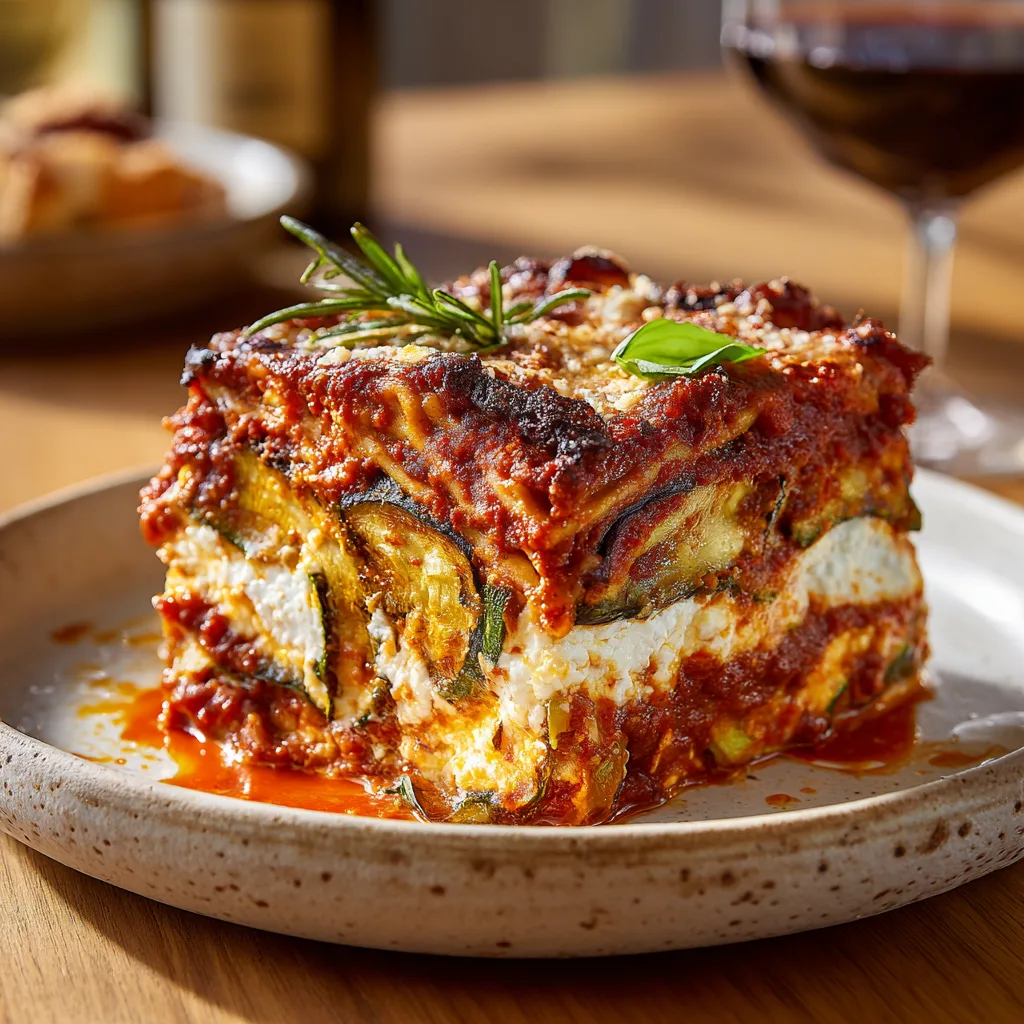
Looking at the image above, you can almost hear the satisfying sizzle of the cheese and taste the rich depth of the sauce. That perfectly browned, slightly charred crust hiding molten layers of pasta and creamy filling is the gold standard of lasagna making. It’s not just pasta; it’s architecture.
Creating a lasagna like this isn’t difficult, but it requires patience and respect for each component. It’s about building flavor layer by layer, ensuring that every bite is a perfect harmony of meat, cheese, and sauce. In this comprehensive guide, we will break down the elements that take a good lasagna to legendary status, from the slow-simmered Bolognese to the crucial resting period that ensures the perfect slice.
The Foundation: The Ragu Bolognese 🥩🍅
A lasagna is only as good as its sauce. While you can use jarred marinara in a pinch, the depth of flavor required for the lasagna pictured comes from a homemade meat sauce, often called a Ragu or Bolognese.
The Meats: A combination of ground beef and ground pork usually yields the best results. Beef provides the robust, hearty flavor, while pork adds fat and sweetness that rounds out the acidity of the tomatoes. For an even deeper flavor profile, some chefs add finely chopped pancetta at the beginning of the sauté.
The Aromatics: The “soffritto”—a finely chopped mixture of onions, carrots, and celery gently sautéed in olive oil—is the flavor base. This step cannot be rushed; the vegetables need to soften and sweeten, becoming almost invisible in the final sauce but providing an essential savory backbone.
The Simmer: This is the secret ingredient: time. A good meat sauce needs to simmer gently for at least an hour, preferably two or three. This allows the flavors to meld, the meat to become tender, and the liquid to reduce into a thick, rich gravy that clings to the noodles rather than making them soggy.
The Creamy Heart: The Ricotta Filling 🧀
The white layers you see in the slice are the counterpoint to the rich red sauce. This isn’t just plain ricotta dumped from a tub. It needs to be seasoned and stabilized.
Quality Matters: Use whole-milk ricotta for the creamiest texture. Skim milk versions can become grainy and watery when baked. If your ricotta seems excessively wet, let it drain in a cheesecloth-lined sieve for 30 minutes before using.
The Binder: An egg acts as the glue. It binds the cheese mixture together so that when the lasagna is sliced, the filling stays put rather than oozing out onto the plate.
Flavor Boosters: To lift the flavor of the mild ricotta, we add generous amounts of grated Parmesan (for saltiness and umami), fresh chopped parsley (for herbaceous brightness), and a crucial pinch of nutmeg. The nutmeg is barely perceptible but adds a warmth that complements the creamy dairy perfectly.
The Noodles: To Boil or Not To Boil? 🍝
This is the great lasagna debate.
- Traditional Boiled Noodles: These offer the classic, slightly chewy texture. The key is to undercook them slightly (very al dente) as they will continue to cook in the oven whilst absorbing the sauce. You must also lay them flat on oiled parchment paper after draining to prevent them from sticking together into a giant pasta clump.
- No-Boil (Oven-Ready) Noodles: These are a fantastic modern convenience. They are thinner and designed to absorb the liquid from the sauce to cook. If using these, your sauce needs to be slightly looser (more liquid) to ensure the noodles fully hydrate, or you risk crunchy pasta layers.
For the hearty structure seen in the photo, traditional boiled noodles are often preferred, but high-quality no-boil sheets can achieve similar results if managed correctly.
Ultimate Classic Meat Lasagna
Ingredients
Equipment
Method
- Heat oil in a large pot. Sauté onion, carrots, and celery until soft (8-10 mins). Add garlic and cook for 1 minute.
- Add ground beef and pork; cook until browned. Stir in tomato paste and cook for 2 minutes.
- Deglaze with red wine, reducing by half. Add crushed tomatoes, tomato sauce, oregano, and basil. Simmer on low for at least 1 hour.
- Combine ricotta, egg, 1/2 cup Parmesan, parsley, and nutmeg in a bowl.
- Preheat oven to 375°F (190°C). Grease a 9×13 baking dish.
- Spread a thin layer of meat sauce in the dish. Top with noodles.
- Layer half the ricotta mixture, 1/3 of meat sauce, and 1/3 of mozzarella. Repeat layers once more.
- Top with final noodles, remaining sauce, remaining mozzarella, and remaining 1/2 cup Parmesan.
- Cover with foil and bake for 25 minutes. Remove foil and bake uncovered for 20-25 minutes until bubbly and browned.
- Let rest for at least 20 minutes before slicing to set.
Notes
Ingredients 🛒
Here is everything you need to build this masterpiece.
For the Meat Sauce (Bolognese):
— 2 tbsp olive oil
— 1 large yellow onion, finely chopped
— 2 carrots, finely chopped
— 2 celery stalks, finely chopped
— 4 cloves garlic, minced
— 1 lb ground beef (85% lean)
— 1/2 lb ground pork (or mild Italian sausage, casings removed)
— 1/2 cup dry red wine (like Chianti or Cabernet)
— 1 can (28 oz) crushed tomatoes of good quality
— 1 can (15 oz) tomato sauce
— 2 tbsp tomato paste
— 1 tsp dried oregano
— 1 tsp dried basil
— 1/2 tsp red pepper flakes (optional, for heat)
— Salt and freshly ground black pepper to taste
For the Cheese Filling:
— 32 oz (2 lbs) whole milk ricotta cheese
— 1 large egg, lightly beaten
— 1 cup freshly grated Parmesan cheese, divided use
— 1/4 cup fresh parsley, chopped
— 1/2 tsp salt
— 1/4 tsp ground nutmeg
For Assembly:
— 12-15 dried lasagna noodles (boiled to al dente) OR 1 box no-boil noodles
— 4 cups shredded low-moisture mozzarella cheese
— Fresh basil and rosemary for garnish (as seen in the image)
Instructions 👩🍳👨🍳
Follow these steps to construct your layers of flavor.
- Prepare the Meat Sauce: Heat olive oil in a large Dutch oven or heavy pot over medium heat. Add the onion, carrots, and celery. Cook, stirring occasionally, until very soft and fragrant, about 8-10 minutes. Add the minced garlic and cook for another minute.
- Brown the Meats: Increase heat to medium-high. Add ground beef and pork. Cook, breaking up the meat with a wooden spoon, until browned and no longer pink. Drain off excess grease if necessary. Stir in the tomato paste and cook for 2 minutes to deepen its flavor.
- Simmer the Sauce: Deglaze the pot with the red wine, scraping up any browned bits from the bottom. Let the wine reduce by half. Pour in the crushed tomatoes, tomato sauce, oregano, basil, red pepper flakes, salt, and pepper. Bring to a boil, then reduce heat to low. Cover partially and simmer for at least 1 hour (up to 3 hours), stirring occasionally. Taste and adjust seasoning.
- Prepare Pasta and Cheese Filling: If using traditional noodles, boil them in heavily salted water according to package directions until very al dente. Drain and lay flat on greased baking sheets. While pasta cooks, in a medium bowl, combine the ricotta cheese, beaten egg, 1/2 cup of the Parmesan cheese, chopped parsley, salt, and nutmeg. Mix until well combined.
- Preheat and Prep: Preheat your oven to 375°F (190°C). Lightly grease a deep 9×13 inch baking dish or lasagna pan with oil or cooking spray.
- The Assembly – Base Layers: Spread about 1 cup of the meat sauce across the bottom of the prepared dish. Arrange a layer of noodles over the sauce, overlapping them slightly to fit.
- The Assembly – The Middle: Spread half of the ricotta mixture evenly over the noodles. Top with roughly 1/3 of the remaining meat sauce. Sprinkle with 1/3 of the shredded mozzarella cheese. Repeat this entire process: another layer of noodles, the remaining ricotta mixture, another 1/3 of the meat sauce, and another 1/3 of the mozzarella.
- The Assembly – The Top: Finish with a final layer of noodles. Top with the remaining meat sauce, ensuring the noodles are covered. Sprinkle generously with the remaining mozzarella cheese and the remaining 1/2 cup of Parmesan cheese.
- The Bake: Cover the baking dish tightly with aluminum foil (tent it slightly so the cheese doesn’t stick to the foil). Bake for 25 minutes. Remove the foil and bake for another 20-25 minutes, or until the sauce is bubbling vigorously around the edges and the cheese on top is melted, browned, and crispy in spots, just like the photo.
- The Crucial Rest: Remove the lasagna from the oven. Let it rest for at least 15-20 minutes before slicing. This is essential for the layers to set up; cutting too soon will result in a messy collapse. Garnish with fresh rosemary and basil sprigs before serving.
The Art of the Crust and The Rest ⏳
Achieving the look in the photo is all about the final stage of baking and the patience to wait before eating.
The Maillard Reaction: The dark, crispy spots on top of the lasagna aren’t burnt; they are flavor. This is the Maillard reaction, where amino acids and sugars in the cheese and sauce brown under high heat, creating complex savory flavors. If your lasagna is bubbly but pale after the allotted cooking time, turn on your oven’s broiler for 2-4 minutes. Watch it like a hawk—it goes from perfect to blackened very quickly.
Why Resting is Non-Negotiable: When lasagna comes out of the oven, the fats (from cheese and meat) and liquids are boiling hot and very fluid. If you cut into it immediately, gravity takes over, and your beautiful layers slide apart into a soup on the plate. Resting allows the temperature to drop slightly, letting the cheese firm up and the pasta absorb the last bits of excess moisture. This ensures a clean, distinct slice that stands tall on the plate.
Make-Ahead and Freezing ❄️
Lasagna is perhaps the best make-ahead meal in existence. In fact, many argue it tastes better the next day after the flavors have had even more time to meld.
- Refrigerator: You can assemble the entire lasagna up to 24 hours in advance and store it, covered tightly, in the fridge. When ready to bake, add about 10-15 minutes to the covered baking time since you are starting from a cold state.
- Freezer: Lasagna freezes beautifully, either baked or unbaked.
- Unbaked: Assemble in a freezer-safe dish, wrap in two layers of plastic wrap and one layer of foil. Freeze for up to 3 months. Thaw in the fridge for 24 hours before baking.
- Baked: Let it cool completely, then wrap and freeze. This is great for leftovers—slice it into individual portions, wrap them, and you have instant microwaveable dinners for busy nights.
Serve this hearty dish with a simple green salad with a sharp vinaigrette to cut through the richness, crusty garlic bread to mop up the sauce, and, as suggested in the image, a robust glass of red wine. Enjoy the ultimate comfort feast!