Smoky Turkish-Style Cauliflower Hash with Sucuk and Eggs: The Ultimate Savory Breakfast 🍳🇹🇷
Breakfast cultures around the world offer incredible variety, but few are as legendary, sprawling, and deeply savory as a traditional Turkish breakfast, known as kahvaltı. It is an event, a spread of cheeses, olives, breads, jams, and crucial hot dishes centered around eggs.
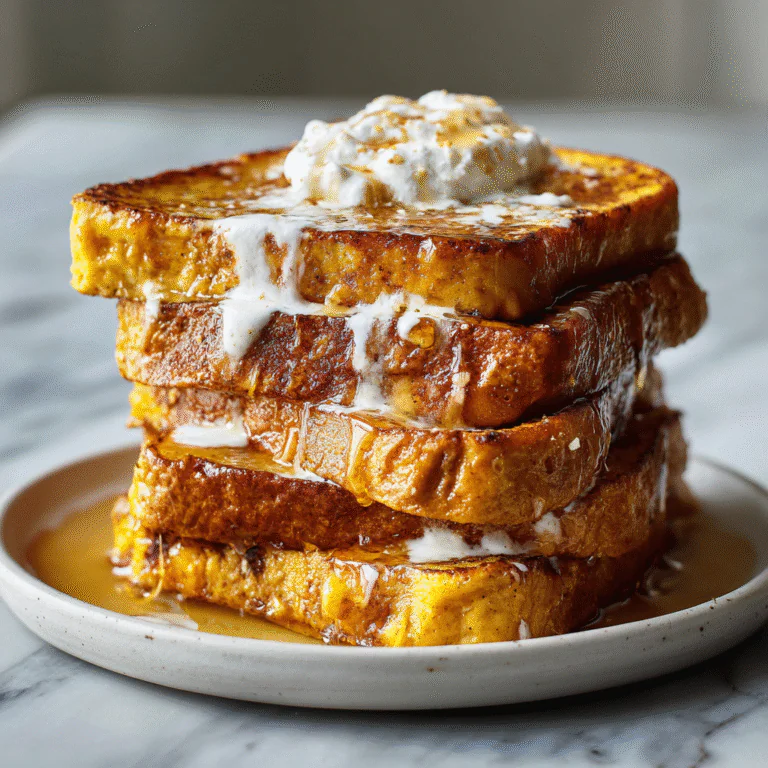
The image above captures the essence of that savory tradition but introduces a modern, textural twist. This is not just fried eggs; it is a robust, flavor-packed skillet that marries the smoky, garlicky heat of Turkish sucuk sausage with the earthy, caramelized goodness of cauliflower, all brought together by perfectly cooked sunny-side-up eggs.
If you are looking to shake up your weekend brunch routine, move away from sweet pastries, or find a satisfying, low-carb meal that doesn’t sacrifice an ounce of flavor, this Turkish-Style Cauliflower Hash is your answer. It’s a one-pan wonder that looks impressive, tastes complex, and celebrates the bold flavors of Anatolian cuisine.
The Star Ingredient: Understanding Sucuk
To truly appreciate this dish, we must first talk about the ingredient that provides its flavor foundation: Sucuk (pronounced su-jook).
Sucuk is a dry-cured, fermented sausage, highly popular from the Balkans to the Middle East and Central Asia. In Turkey, it is a breakfast staple. Typically made from beef, it is heavily seasoned with garlic, cumin, sumac, and various chili peppers. It is potent, aromatic, and deeply savory.
The magic of sucuk happens when it hits a hot pan. It is rarely eaten raw. When sliced and fried, it renders out its vibrant orange-red fat, which is loaded with all those spices. In this recipe, that rendered spiced fat becomes the cooking medium for everything else. Instead of using plain oil, we fry our cauliflower in this “liquid gold,” infusing the entire dish with the essence of the sausage before the eggs even hit the pan.
Note: If you cannot find authentic Turkish sucuk at a Middle Eastern grocer, you can substitute a spicy, garlic-heavy chorizo, though the flavor profile will shift slightly from Anatolian to Iberian.
Why Cauliflower is the Perfect Canvas
Traditionally, a dish like this might use potatoes as the starch base. However, substituting cauliflower transforms this into a lighter, vegetable-forward meal that happens to be keto and low-carb friendly.
Cauliflower is often maligned as bland, but that is usually because it is boiled or steamed. When treated correctly—meaning high heat and ample fat—cauliflower becomes nutty, sweet, and wonderfully caramelized.
In this skillet, the cauliflower florets act like sponges. They soak up the spicy, garlicky fat rendered from the sucuk, turning golden brown and developing crispy edges while remaining tender inside. It provides a wonderful textural contrast to the chewy sausage and the rich, runny egg yolks.
Turkish-Style Cauliflower Hash with Sucuk and Eggs
Ingredients
Equipment
Method
- Heat a large cast iron skillet over medium heat. Add diced sucuk and cook until fat renders and meat is crispy (5-7 mins). Remove meat with a slotted spoon, leaving fat in the pan.
- Add olive oil to the rendered fat. Increase heat to medium-high. Add cauliflower florets and fry until golden brown and tender-crisp (8-10 mins).
- Reduce heat to medium. Add diced onion and cook until softened (3 mins). Add minced garlic, cumin, and Aleppo pepper; cook for 1 minute.
- Stir the crispy sucuk back into the cauliflower mixture. Season lightly with salt and pepper.
- Make five wells in the hash and gently crack an egg into each. Season eggs with salt and pepper.
- Cover the skillet and cook on medium-low until egg whites are set but yolks are still runny (4-7 mins).
- Remove from heat. Garnish generously with chopped parsley and extra Aleppo pepper. Serve immediately in the skillet.
Notes
The Importance of the Cast Iron Skillet
While you could technically make this in any large frying pan, a well-seasoned cast iron skillet is the tool of choice for several reasons:
- Heat Retention: Cast iron gets hot and stays hot. This is crucial for properly rendering the fat from the sucuk and getting a hard sear on the cauliflower without it steaming.
- Even Cooking: When you crack the eggs in at the end, the radiating heat of the cast iron helps cook the whites evenly from the bottom up without burning them before the yolks set.
- Rustic Presentation: As seen in the photo, this dish is meant to be served straight from the stove to the table. A hot cast iron skillet makes for a beautiful, communal centerpiece for a brunch gathering.
The Finishing Touches: Pul Biber and Herbs
The final visual pop and flavor kick in the image come from two essential garnishes.
The first is fresh parsley. Its bright, grassy flavor cuts through the richness of the sausage fat and egg yolks, providing necessary balance.
The second, and perhaps most Turkish element besides the sucuk, is Pul Biber, often sold as Aleppo Pepper in the West. Unlike generic crushed red pepper flakes which can be harshly hot and contain seeds, Pul Biber is made from a specific type of mild, oily pepper that is dried and coarsely ground. It has a moderate heat level, a fruity aroma, and a slightly salty, raisin-like finish. A generous dusting over the finished eggs is non-negotiable for authentic flavor.
Ingredients
- 1 medium head of cauliflower, cut into bite-sized florets
- 6-8 oz Turkish Sucuk (spicy garlic sausage), casing removed and diced into small cubes
- 5 large eggs
- 2 tablespoons olive oil (plus more if needed, depending on how lean the sucuk is)
- 1 small yellow onion, finely diced
- 2 cloves garlic, minced
- 1 teaspoon Pul Biber (Aleppo pepper flakes), plus extra for garnish
- 1/2 teaspoon ground cumin
- Salt and freshly cracked black pepper to taste
- 1/4 cup fresh flat-leaf parsley, chopped finely
- Optional: Crumbled feta cheese for serving
Instructions
- Prepare the Cauliflower: Ensure your cauliflower florets are completely dry after washing. Any excess moisture will cause them to steam rather than fry, preventing that crucial golden crust.
- Render the Sucuk: Place a large (10-12 inch) cast iron skillet over medium heat. Add the diced sucuk. Cook, stirring occasionally, until the fat has rendered out and the sausage bits are crispy and browned, about 5-7 minutes.
- Remove Sucuk: Using a slotted spoon, remove the crispy sucuk bits from the pan and set them aside on a plate, leaving all that beautiful, reddish spiced fat behind in the skillet.
- Fry the Cauliflower: Increase the heat to medium-high. Add the olive oil to the rendered fat in the skillet. Toss in the cauliflower florets. Spread them in a single layer and let them sit undisturbed for 3-4 minutes to develop a sear. Stir and continue frying for another 8-10 minutes until they are deeply golden brown and just tender.
- Add Aromatics: Reduce heat to medium. Push the cauliflower to the edges of the pan, creating a well in the center. Add the diced onion and cook for 3-4 minutes until softened. Add the minced garlic, cumin, and 1 teaspoon of Pul Biber. Cook for 1 minute until fragrant.
- Combine: Stir everything back together—the cauliflower, onions, garlic, and spices. Add the crispy reserved sucuk back into the pan and toss to combine. Taste a piece of cauliflower and season with salt and black pepper. (Be careful with salt, as sucuk is naturally salty).
- Crack the Eggs: Reduce heat to medium-low. Using a wooden spoon, create five distinct wells in the cauliflower hash. Gently crack one egg into each well. Season the tops of the eggs with a little salt and pepper.
- Cook the Eggs: Cover the skillet with a tight-fitting lid. Let the eggs cook undisturbed for 4-7 minutes. Check them periodically. You want the whites to be fully opaque and set, but the yolks to remain runny and glorious.
- Garnish and Serve: Remove the skillet from the heat. Immediately sprinkle generously with the chopped fresh parsley and an extra dusting of Pul Biber for color and heat. Serve immediately, straight from the skillet, with crusty bread to scoop up the hash and runny yolks.

Serving Suggestions and Variations
This dish is a complete meal on its own, but it shines as part of a larger spread.
- The Bread: In Turkey, this would almost certainly be served with fresh, crusty white bread like ekmek or simit (a sesame-crusted circular bread) for dipping into the yolks and scooping up the spicy oil.
- The Dairy: A side of tangy, thick Turkish yogurt or labneh is the perfect cooling counterpoint to the spicy sucuk. A sprinkle of tangy feta cheese over the finished dish is also a wonderful addition.
- Vegetarian Twist: To make this vegetarian, omit the sucuk. You will need to use more olive oil and be heavy-handed with smoked paprika, garlic powder, and cumin to mimic the smoky flavor profile of the missing sausage. You could also add cubed potatoes or sweet potatoes along with the cauliflower for a heartier carb-base.
Conclusion
This Turkish-Style Cauliflower Hash with Eggs and Sucuk is a testament to the power of bold ingredients. By utilizing the incredible flavor bomb that is sucuk fat and pairing it with the humble cauliflower, you can create a breakfast that is rustic, sophisticated, and incredibly satisfying. It is a dish that invites you to slow down, tear off a piece of bread, and savor the rich culinary traditions of the Mediterranean and Middle East. Fire up your skillet and enjoy the feast.