🍋 Sticky Honey Butter Glazed Lemon Loaf: The Ultimate Comfort Cake
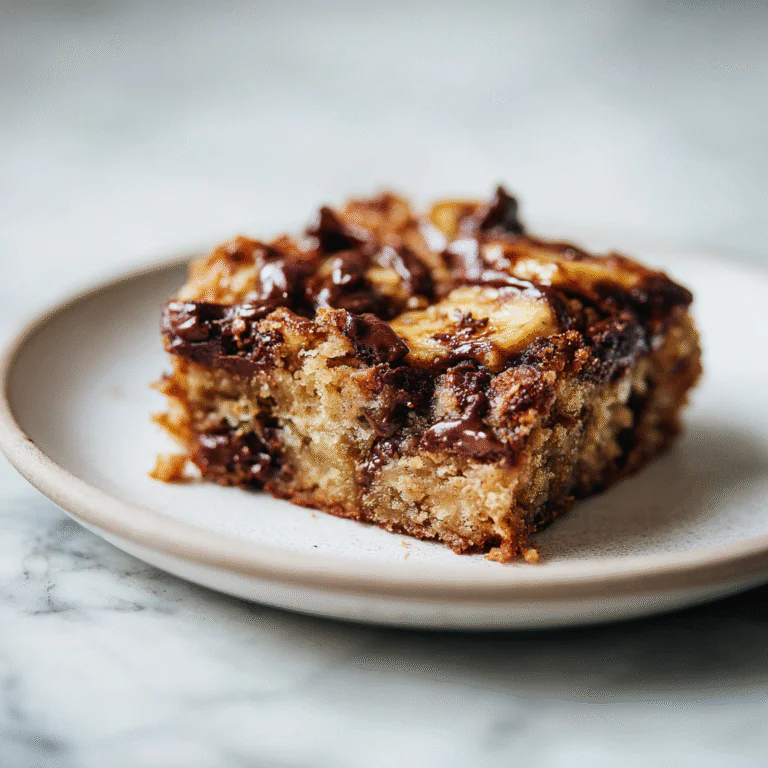
There are few things in the culinary world as comforting as a warm slice of loaf cake, especially one that glistens with a sticky, sweet, and tangy glaze. The image of a golden-brown loaf sitting on a vintage floral plate evokes memories of Sunday afternoons, high tea, and the simple joy of baking from scratch. This Sticky Honey Butter Glazed Lemon Loaf is not just a cake; it is a masterclass in texture and flavor balance. It takes the concept of a traditional pound cake and elevates it with a saturation of flavor that keeps the crumb impossibly moist for days.
Unlike light, airy sponge cakes that dry out quickly, this recipe focuses on a denser, tighter crumb structure designed to absorb liquid. The magic happens the moment the cake comes out of the oven. While still piping hot, it is doused in a rich syrup made from honey, butter, and fresh lemon juice. As the cake cools, this syrup crystallizes slightly on the crust while soaking deep into the center, creating a “pudding-like” moistness that is utterly addictive. Whether you are an experienced baker or a novice looking for a foolproof dessert, this recipe promises high rewards for minimal effort.
Why This Recipe Is A Must-Try
You might be wondering, “What makes this different from a standard lemon drizzle?” The answer lies in the fat-to-sugar ratio of the glaze. A standard drizzle is usually just powdered sugar and lemon juice. Our glaze incorporates melted butter and honey. The butter adds a velvety richness that cuts the sharpness of the lemon, while the honey adds floral notes and a sticky texture that feels luxurious on the palate.
Furthermore, this cake is robust. It travels well, making it perfect for potlucks, bake sales, or gifting. The flavors actually improve after 24 hours, as the lemon oil and vanilla have time to meld with the buttery crumb. It is the kind of dessert that pairs equally well with a dark coffee in the morning or a sweet dessert wine in the evening.
The Science of the “Soak”
To achieve the perfect texture shown in the photo, you have to understand the science of absorption. The technique used here is often called “soaking.” By poking holes into the hot cake and pouring the syrup over it, you are essentially marinating the sponge.
The key is temperature contrast. You want the cake to be hot (expanded crumb) and the syrup to be warm/room temperature (fluid but not boiling). If both are cold, the syrup will just sit on top. If the syrup is too hot, it might make the cake mushy. This recipe finds the perfect middle ground, ensuring the syrup penetrates the top inch of the cake, creating that signature “wet” line that signifies a high-quality drizzle cake.
📝 Ingredients
For the best results, ensure all your refrigerated items (butter, eggs, milk) are at room temperature before you begin. This ensures a smooth emulsion and a better rise.
Sticky Honey Butter Glazed Lemon Loaf
Ingredients
Equipment
Method
- Preheat oven to 350°F (175°C). Grease and line a 9×5 inch loaf pan.
- Whisk flour, baking powder, baking soda, and salt in a bowl.
- Cream butter and sugar until fluffy. Beat in eggs one at a time, then add zest and vanilla.
- Alternatingly add flour mixture and yogurt to the batter. Do not overmix.
- Bake for 45-55 minutes until a toothpick comes out clean.
- Simmer glaze ingredients in a saucepan until sugar dissolves.
- Poke holes in the hot cake and pour over the warm glaze. Let cool completely.
Notes
The Cake Batter
- – 1 ½ cups All-purpose flour (sifted)
- – 1 tsp Baking powder
- – ¼ tsp Baking soda
- – ½ tsp Salt
- – ½ cup Unsalted butter, softened to room temperature
- – 1 cup Granulated sugar
- – 2 Large eggs, room temperature
- – 1 tsp Pure vanilla extract
- – 2 tbsp Fresh lemon zest (about 2 lemons)
- – ½ cup Greek yogurt or Sour cream (full fat is best)
- – 2 tbsp Lemon juice
The Sticky Honey Glaze
- – ¼ cup Unsalted butter
- – ⅓ cup Honey (clover or wildflower honey works best)
- – ¼ cup Granulated sugar
- – 2 tbsp Fresh lemon juice
- – 1 pinch Salt
Equipment Needed
You do not need fancy gadgets for this recipe, but a few key tools will make the process smoother.
- Loaf Pan: A standard 9×5 inch metal loaf pan is ideal. Glass pans bake slower, so adjust time if using glass.
- Electric Mixer: Hand or stand mixer to cream the butter and sugar properly.
- Skewer or Toothpick: Crucial for poking holes to let the glaze penetrate.
- Parchment Paper: For lining the pan to ensure easy removal.
🔪 Instructions
Follow these steps carefully to replicate the glossy, golden perfection.
- Preheat and Prep: Preheat your oven to 350°F (175°C). Grease your loaf pan generously with butter and line it with parchment paper, leaving a bit of overhang on the sides for easy lifting.
- Whisk Dry Ingredients: In a medium bowl, whisk together the flour, baking powder, baking soda, and salt. Set this aside.
- Cream Butter and Sugar: In a large mixing bowl, beat the softened butter and granulated sugar on medium-high speed for about 3-4 minutes. You want the mixture to be pale, fluffy, and aerated. This step is crucial for the cake’s structure.
- Add Wet Ingredients: Add the eggs one at a time, beating well after each addition. Scrape down the sides of the bowl. Mix in the vanilla extract and lemon zest. The mixture might look slightly curdled; this is normal.
- Combine: Reduce the mixer speed to low. Add half of the flour mixture, followed by the Greek yogurt (or sour cream) and lemon juice. Then, add the remaining flour mixture. Mix only until just combined. Do not overmix, or the cake will be tough.
- Bake: Pour the thick batter into the prepared loaf pan and smooth the top with a spatula. Bake for 45-55 minutes. The cake is done when a toothpick inserted into the center comes out clean or with just a few moist crumbs. The top should be a deep golden brown.
- Make the Glaze: About 5 minutes before the cake is done, prepare the glaze. In a small saucepan over medium heat, combine the butter, honey, sugar, lemon juice, and salt. Whisk constantly until the butter melts and the sugar dissolves. Let it bubble gently for 1 minute, then remove from heat.
- The Soak: Remove the cake from the oven. While it is still in the pan and piping hot, use a skewer to poke holes all over the top of the cake. Go about halfway down into the loaf.
- Pour and Cool: Slowly pour the warm honey butter glaze over the cake. It will look like too much liquid, but just pour slowly and let it soak in. Allow the cake to cool completely in the pan. As it cools, the glaze will set into a sticky, glossy shell.
- Serve: Once cool, lift the cake out using the parchment paper handles. Slice thickly and serve.

Tips for the Perfect Crumb
Room Temperature is Key: If your eggs or yogurt are cold, they will seize the butter, leading to a lumpy batter and a greasy cake. If you forgot to take them out, place eggs in warm water for 5 minutes before using.
Zesting 101: When zesting the lemons, be careful to only grate the bright yellow skin. The white pith underneath is bitter and will ruin the flavor profile of the cake. Rub the zest into the sugar with your fingers before creaming with butter to release the essential oils.
Don’t Rush the Cool: It is tempting to slice the cake immediately, but this loaf relies on the cooling process to solidify its structure. Slicing it while hot will result in a crumbly mess. The glaze also needs time to transition from a liquid to a sticky coating.
Variations to Try
Once you master the base recipe, the possibilities are endless. Here are a few creative twists:
Orange & Cardamom
Swap the lemon zest and juice for orange. Add 1/2 tsp of ground cardamom to the dry ingredients. The warm spice pairs beautifully with the honey glaze.
Lavender Honey
Infuse the butter for the glaze with 1 tsp of dried culinary lavender buds, then strain them out before mixing with the honey. This adds a sophisticated floral note perfect for spring.
The “Boozy” Loaf
For an adult version, replace 1 tablespoon of lemon juice in the glaze with Bourbon or Limoncello. This adds a depth of warmth that makes the cake perfect for after-dinner service.
Storage and Freezing
This cake is incredibly moist, which means it keeps well. Store it in an airtight container at room temperature for up to 3 days. If you still have leftovers after that (unlikely!), move it to the fridge for up to a week.
Freezing: This cake freezes beautifully. You can freeze the whole loaf or individual slices. Wrap tightly in plastic wrap, then foil. Thaw at room temperature before serving. If you freeze it, you may want to warm it up slightly in the microwave to revive the sticky texture of the glaze.
Conclusion
The Sticky Honey Butter Glazed Lemon Loaf is more than just a sweet treat; it is a centerpiece. It invites people to slow down, pull up a chair, and enjoy a moment of sweetness. The contrast between the dense, buttery crumb and the sharp, sticky glaze is a sensory delight that never gets old.
Next time you have a couple of lemons sitting in your fruit bowl and a craving for something homemade, skip the complicated layer cakes and go for this rustic beauty. It delivers maximum flavor, stunning visual appeal, and the kind of cozy comfort that only home baking can provide. Happy Baking! 🍰