
Keywords: sticky Asian chicken, soy glaze chicken thighs, charred chicken recipe, easy weeknight dinner, sweet and savory chicken, grilled chicken thighs, garlic soy marinade, chicken and scallions, sticky chicken glaze, quick dinner ideas
🌟 The Secret to the Perfect Sweet and Savory Balance
There is an undeniable allure to food that manages to strike the perfect balance between sweet, savory, and beautifully charred. When it comes to weeknight dinners, few dishes can compete with the sheer mouthwatering appeal of Sticky Asian Glazed Chicken Thighs. This dish takes humble, affordable chicken and transforms it into a restaurant-worthy masterpiece that will have your family or dinner guests begging for the recipe. The secret lies in the magical alchemy of soy sauce, garlic, ginger, and a touch of sweetness that caramelizes under heat to create a sticky, glossy coating that is impossible to resist.
In the culinary world, achieving this harmony is all about understanding the flavor profiles of your ingredients. The saltiness and umami depth of the soy sauce act as the foundational base. This robust foundation is then lifted by the sharp, aromatic bite of fresh ginger and minced garlic. But the true star of the show—the element that takes this from a simple savory dish to a sticky sensation—is the sugar. Whether you use brown sugar, honey, or mirin, the sweet component does double duty. It rounds out the harshness of the salt and acid, and more importantly, it provides the sugars necessary for the Maillard reaction. This reaction is what gives the chicken those beautiful, dark, charred edges and the thick, syrupy glaze that coats every single bite. In this comprehensive guide, we are going to explore every facet of creating the ultimate sticky chicken, ensuring your results are foolproof, flavorful, and absolutely spectacular.
🔥 Mastering the Art of the Char: Cooking Techniques
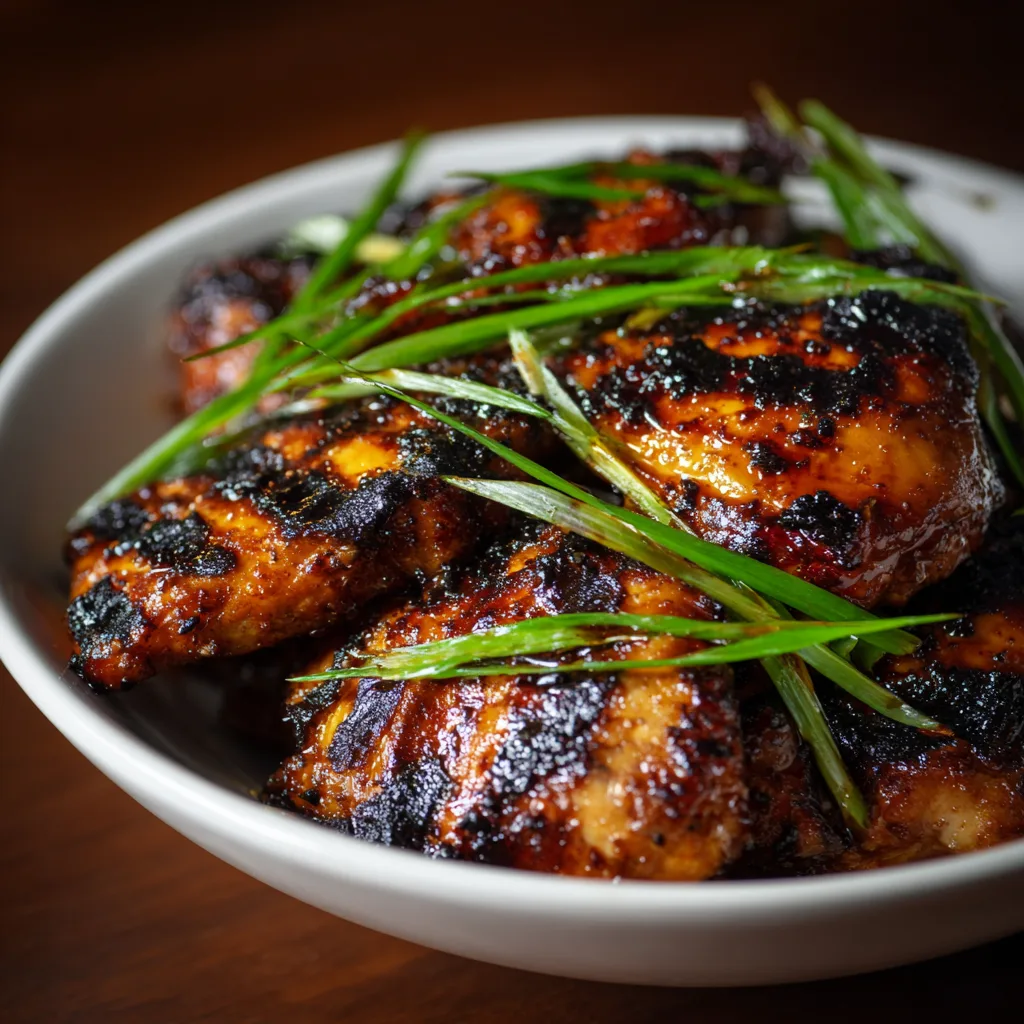
One of the most defining characteristics of this dish is the visual and textural contrast provided by the char marks. Those slightly blackened, crispy edges are where the flavor is most concentrated, offering a slight bitterness that perfectly cuts through the rich, sweet glaze. Achieving this char without burning the chicken or drying it out requires a bit of technique, and you have a few options depending on your kitchen setup and personal preferences.
If you are cooking indoors, a heavy-bottomed cast-iron skillet is your best friend. Cast iron retains heat exceptionally well and distributes it evenly, making it ideal for searing. The trick is to start with a moderately high heat to get a good sear on the outside of the chicken thighs. However, because the marinade contains a significant amount of sugar, it is incredibly prone to burning if left unattended or if the heat is too high. You will want to sear the chicken to develop color, then lower the heat slightly, allowing the chicken to cook through while the remaining marinade reduces into a thick, bubbling glaze in the pan. Tossing the cooked chicken in this reduced glaze right at the end is what creates that signature sticky finish.
Alternatively, taking this recipe outside to the grill elevates it to a whole new level. The open flames impart a smoky flavor that pairs beautifully with the Asian-inspired marinade. When grilling, it is crucial to use a two-zone fire setup. This means having one side of the grill hot for direct searing and the other side cooler for indirect cooking. Sear the chicken over the direct heat to get those gorgeous grill marks and caramelize the sugars, then move the pieces to the indirect side to finish cooking through without turning them to charcoal. Basting the chicken with reserved (and boiled) marinade during the last few minutes of grilling will layer the flavors and build up that sticky exterior.
🧄 Deep Dive: Building the Ultimate Marinade
The soul of this recipe lives in its marinade. While it might be tempting to rely on store-bought teriyaki or stir-fry sauces, making your own from scratch is infinitely better and surprisingly simple. Creating the marinade yourself allows you to control the quality of the ingredients and tailor the sodium and sugar levels to your exact dietary preferences.
Let us break down the components. First, the soy sauce. I highly recommend using a low-sodium soy sauce. Because the marinade will eventually be reduced into a glaze, the salt concentration will intensify. Starting with a low-sodium option prevents the final dish from becoming overpoweringly salty. If you are gluten-free, tamari is an excellent 1:1 substitute that provides the same deep, savory flavor.
Next are the aromatics: garlic and ginger. Fresh is absolutely mandatory here. While garlic and ginger powders have their place in the pantry, they cannot replicate the bright, pungent kick of the fresh roots. Grating the ginger and mincing the garlic finely ensures that their essential oils are distributed evenly throughout the liquid, penetrating the meat thoroughly.
To balance the savory and aromatic elements, we introduce acid and sweetness. A splash of rice vinegar provides a gentle, rounded acidity that brightens the overall profile, keeping the heavy glaze from feeling cloying. For sweetness, dark brown sugar is fantastic because the molasses content adds a layer of caramel complexity. Finally, a few drops of toasted sesame oil right at the end of the marinade process add a nutty, earthy aroma that ties everything together perfectly.
🥗 Perfect Pairings: What to Serve with Your Sticky Chicken
While this Sticky Asian Glazed Chicken is undoubtedly the star of the dining table, building a cohesive meal requires thoughtful side dishes that complement, rather than compete with, the bold flavors of the main course. Because the chicken is quite rich and heavily seasoned, you want sides that offer a textural contrast and a clean, refreshing palate cleanser.
The most classic and arguably essential pairing is a bed of steamed white jasmine or short-grain sushi rice. The neutral, slightly floral taste of the rice acts as the perfect canvas to soak up all that extra sticky, savory glaze. If you are looking for a lower-carb option, cauliflower rice or a simple quinoa salad lightly dressed with a sesame vinaigrette works wonders. Noodles are also a fantastic vehicle for this dish; tossing some soba or udon noodles in a light garlic and scallion oil makes for a hearty and satisfying accompaniment.
For vegetables, keeping it green and crisp is the way to go. Steamed or lightly sautéed bok choy, Chinese broccoli (gai lan), or snap peas provide a vibrant color contrast and a much-needed crunch. A quick cucumber salad, smashed and marinated in rice vinegar, chili oil, and a pinch of sugar, offers a cooling, acidic bite that cuts through the richness of the chicken thighs perfectly. And of course, do not forget the garnish! The fresh, sharp bite of raw green onions (scallions) scattered over the top is not just for aesthetics; it provides a crucial fresh counterpoint to the deep, cooked flavors of the glaze.
📋 Ingredients
Gather the following ingredients to create your sticky chicken masterpiece. These simple pantry staples come together to create something truly magical.
- – 2 lbs boneless, skinless chicken thighs
- – 1/2 cup low-sodium soy sauce
- – 1/3 cup dark brown sugar, packed
- – 1/4 cup rice vinegar
- – 1 tablespoon toasted sesame oil
- – 4 cloves garlic, finely minced
- – 1 tablespoon fresh ginger, grated
- – 1/2 teaspoon black pepper
- – 1 tablespoon cooking oil (such as canola or vegetable oil)
- – 4 whole green onions (scallions), sliced diagonally for garnish
- – 1 teaspoon sesame seeds (optional, for garnish)
👨🍳 Instructions
Follow these precise steps to ensure your chicken turns out perfectly cooked, tender, and coated in a glorious, sticky glaze.
Sticky Asian Glazed Chicken Thighs
Ingredients
Equipment
Method
- Whisk together soy sauce, brown sugar, rice vinegar, sesame oil, garlic, ginger, and black pepper in a bowl.
- Place chicken in a bag or dish. Pour half the marinade over the chicken and marinate for at least 30 minutes. Reserve the other half of the marinade.
- Heat oil in a large skillet over medium-high heat. Remove chicken from marinade (discard used marinade).
- Cook chicken for 4-5 minutes per side until browned and cooked through (165°F internal temp). Remove chicken and set aside.
- Pour the reserved, unused marinade into the skillet. Simmer and reduce for 3-5 minutes until thick and syrupy.
- Return chicken to the skillet, tossing to coat completely in the sticky glaze.
- Transfer to a serving bowl, garnish generously with sliced green onions, and serve hot.
Notes
- Prepare the Marinade: In a medium-sized mixing bowl, whisk together the low-sodium soy sauce, dark brown sugar, rice vinegar, toasted sesame oil, minced garlic, grated ginger, and black pepper. Whisk continuously until the brown sugar has completely dissolved into the liquid.
- Marinate the Chicken: Place the boneless, skinless chicken thighs into a large resealable plastic bag or a shallow dish. Pour half of the prepared marinade over the chicken, ensuring every piece is well coated. Seal the bag (or cover the dish) and refrigerate for at least 30 minutes. For deeper flavor, allow it to marinate for up to 4 hours. Reserve the other half of the marinade in a small bowl—do not let it touch the raw chicken.
- Prep the Skillet: Once the chicken has finished marinating, remove it from the refrigerator. Heat 1 tablespoon of cooking oil in a large cast-iron skillet or heavy non-stick pan over medium-high heat. Let the pan get hot but not smoking.
- Sear the Chicken: Remove the chicken thighs from the marinade, letting the excess drip off (discard the used marinade from the bag). Place the chicken in the hot skillet in a single layer. You may need to work in batches to avoid overcrowding the pan. Cook undisturbed for 4-5 minutes until a dark, golden-brown crust forms on the bottom.
- Flip and Cook Through: Flip the chicken thighs over. Reduce the heat to medium. Continue to cook for another 5-7 minutes, or until the internal temperature of the chicken reaches 165°F (74°C) on an instant-read thermometer. Remove the cooked chicken to a plate and set aside.
- Create the Glaze: Pour the reserved, untouched half of the marinade into the same skillet. Turn the heat up to medium-high and bring the liquid to a rapid simmer. Let it bubble and reduce for about 3 to 5 minutes, stirring frequently, until it thickens into a glossy, sticky syrup that coats the back of a spoon.
- Toss and Coat: Return the cooked chicken thighs to the skillet. Toss them continuously in the thickened glaze for 1-2 minutes, allowing the sticky sauce to completely adhere to the meat and warm the chicken through.
- Garnish and Serve: Remove the skillet from the heat. Transfer the sticky, glazed chicken to a serving bowl or platter. Immediately garnish generously with the diagonally sliced green onions and a sprinkle of sesame seeds if desired. Serve hot.
💡 Pro-Tips for Make-Ahead and Storage
This recipe is highly adaptable for those who love to meal prep. The flavors actually intensify and meld together beautifully in the refrigerator, making leftovers a genuine treat rather than a chore to get through.
If you want to get a head start on dinner, you can mix the marinade and portion out the raw chicken into a freezer-safe bag up to three months in advance. Simply freeze the chicken right in the marinade. When you are ready to cook, let it thaw overnight in the refrigerator; it will marinate as it thaws! This is an incredible time-saver for busy weeknights when you realize you haven’t planned anything for dinner.
For storing leftovers, place the cooled, cooked chicken in an airtight container in the refrigerator for up to 4 days. When reheating, it is best to use a skillet over low heat with a tiny splash of water to help loosen up the glaze, which will firm up when cold. You can also use the microwave, but be sure to cover the dish with a damp paper towel to prevent the chicken from drying out and the sticky glaze from splattering all over the inside of your appliance.
🥢 Conclusion: Your New Go-To Weeknight Dinner
There you have it—a comprehensive masterclass on creating the most irresistible, Sticky Asian Glazed Chicken Thighs right in your own kitchen. This recipe proves that you do not need a culinary degree or a pantry full of obscure ingredients to create food that is packed with complex flavors and stunning textures. The combination of the deeply savory, sweet glaze and the tender, juicy chicken is guaranteed to win over anyone who tries it.
By understanding the mechanics of the marinade, mastering the pan-sear, and pairing it with the perfect fresh sides, you elevate a standard weeknight meal into a dining experience. So, the next time you find yourself staring blankly into the fridge wondering what to make, reach for some chicken thighs, whisk up this simple glaze, and treat yourself to a bowl of pure, sticky, savory comfort. Happy cooking!


