
Ultimate Homemade Coconut Cream Pie Recipe 🥥
There’s something incredibly nostalgic and comforting about a classic coconut cream pie. This beloved dessert has graced American dinner tables for generations, bringing smiles to faces with its silky custard filling, fluffy whipped cream topping, and crown of toasted coconut. Whether you’re celebrating a special occasion or simply craving something sweet and tropical, this homemade coconut cream pie delivers pure dessert bliss in every forkful.
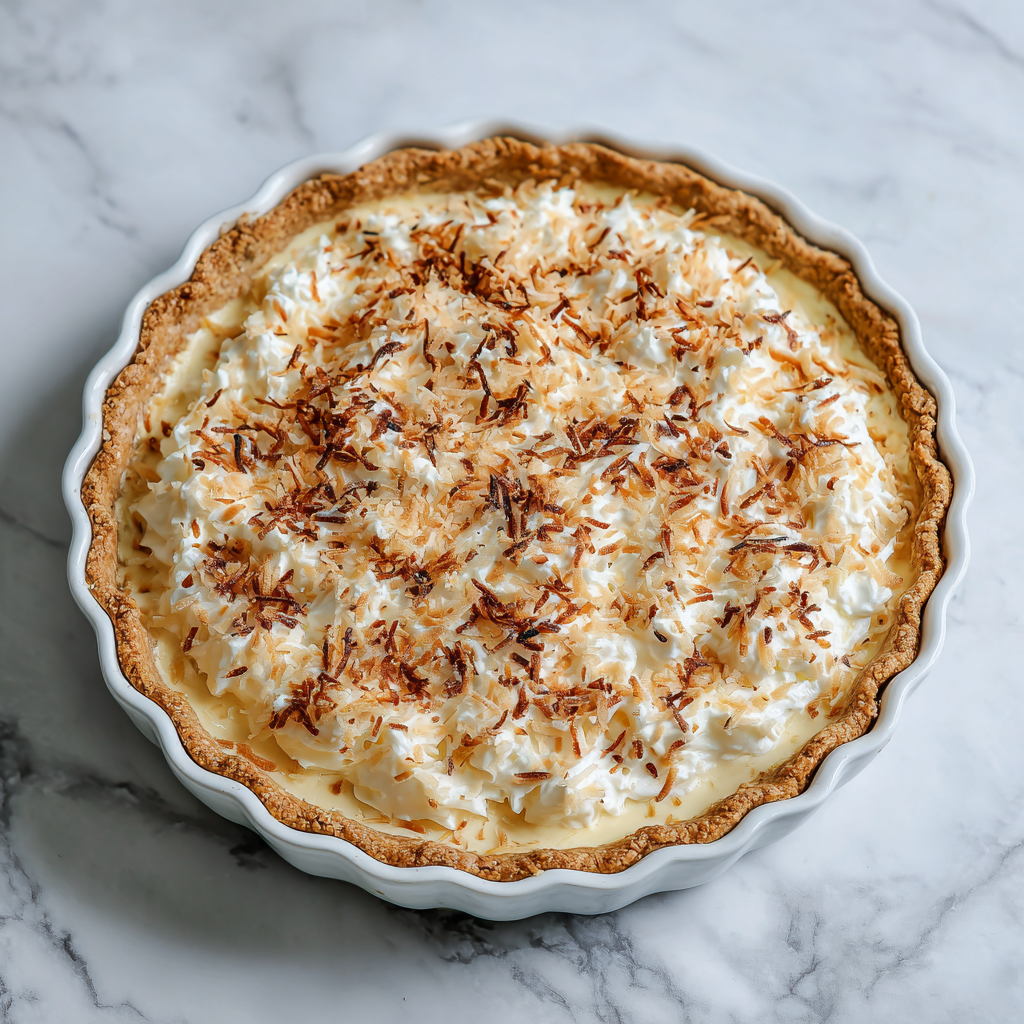
The beauty of coconut cream pie lies in its elegant simplicity and irresistible texture contrasts. A buttery, flaky pie crust serves as the foundation, cradling a luxuriously smooth vanilla-coconut custard that melts on your tongue. Topped with clouds of sweetened whipped cream and a generous sprinkle of golden toasted coconut, each slice is a masterpiece of flavor and presentation. This recipe walks you through creating this timeless dessert from scratch, ensuring bakery-quality results right in your own kitchen.
What makes this coconut cream pie truly special is the perfect balance of sweetness and coconut flavor. Unlike overly sweet versions, this recipe allows the natural tropical essence of coconut to shine through while maintaining just the right amount of richness. The toasted coconut adds a delightful crunch that complements the creamy filling beautifully. Whether you’re an experienced baker or attempting your first cream pie, this detailed guide will help you create a dessert that looks as stunning as it tastes.
Why This Coconut Cream Pie Stands Out ✨
Creating the perfect coconut cream pie is an art that combines technique with quality ingredients. This recipe has been refined to deliver consistent, restaurant-quality results every single time. The custard filling achieves that perfect silky consistency without being too thick or runny, while the homemade whipped cream topping stays stable and fluffy for hours.
One of the secrets to exceptional coconut cream pie is using both coconut milk and shredded coconut in the filling. This double dose of coconut creates layers of tropical flavor that taste authentic rather than artificial. The coconut milk enriches the custard with natural creaminess, while the shredded coconut adds pleasant texture and visual appeal throughout each slice.
The toasted coconut garnish isn’t just decorative—it’s an essential component that elevates this pie from good to extraordinary. Toasting the coconut brings out its natural oils and creates a nutty, caramelized flavor that contrasts beautifully with the sweet cream filling. The golden-brown flakes catch the light beautifully, making your pie as photogenic as it is delicious.
Temperature control is crucial when making coconut cream pie. The custard must be cooked to exactly the right consistency, thick enough to slice cleanly but still supremely creamy. Cooling the pie properly ensures clean slices that showcase those gorgeous layers. This recipe includes all the tips and techniques you need to achieve professional results.
The Heritage of Cream Pies in American Baking 🥧
Coconut cream pie holds a cherished place in American dessert history, particularly in traditional Southern and Midwestern cooking. This classic emerged during an era when cream pies represented the pinnacle of home baking achievement. Creating a perfect cream pie demonstrated a cook’s skill in pastry-making, custard preparation, and elegant presentation.
The popularity of coconut cream pie soared in the mid-20th century when coconut products became widely available across America. Home bakers embraced this tropical ingredient, transforming simple cream pies into exotic treats that brought a taste of the islands to everyday dining tables. The combination of familiar custard with exciting coconut flavor struck the perfect balance between comfort and adventure.
Today’s coconut cream pie continues that beloved tradition while benefiting from modern techniques and better ingredient availability. Whether served at church potlucks, holiday gatherings, or weekend family dinners, a beautiful coconut cream pie never fails to impress. The sight of that golden-topped slice arriving at the table still brings anticipation and joy.
Mastering the Perfect Pie Crust Foundation 🍰
While you can certainly use a store-bought pie crust, making your own from scratch elevates this dessert significantly. A homemade crust offers superior flavor and texture—buttery, flaky layers that shatter delicately with each bite. The slight saltiness of the crust also provides wonderful contrast to the sweet, creamy filling.
For coconut cream pie, a traditional butter-based crust works beautifully. The dough should be rolled thin and fitted carefully into your pie plate, with edges crimped decoratively. Blind baking the crust before adding the filling is essential—this prevents the dreaded soggy bottom and ensures your crust stays crisp even after holding the custard for hours.
To blind bake properly, line your crust with parchment paper and fill with pie weights or dried beans. This keeps the crust from puffing up or shrinking during baking. Once the edges are golden and the bottom looks dry, remove the weights and let the crust cool completely before adding your coconut custard filling.
Creating Silky Coconut Custard Perfection 🥄
The custard filling is the heart and soul of coconut cream pie. Achieving that perfect silky texture requires patience and attention to detail. This recipe uses a combination of egg yolks, sugar, cornstarch, coconut milk, and regular milk to create a custard that’s rich without being heavy, sweet without being cloying.
Tempering the eggs is a crucial step that prevents scrambling. You’ll slowly add hot milk mixture to the beaten egg yolks while whisking constantly, gradually raising their temperature. This technique ensures your custard will be smooth and lump-free. Once combined, the mixture returns to the heat where it thickens to coat the back of a spoon.
Stirring constantly during cooking prevents the custard from scorching on the bottom of the pan. You’ll notice the mixture suddenly thickening as the cornstarch activates and the eggs cook through. Remove from heat immediately when it reaches the right consistency. Stirring in butter at the end adds extra richness and creates an incredibly smooth mouthfeel.
Ingredients 🛒
For the Pie Crust:
- 1 pre-baked 9-inch pie crust (homemade or store-bought)
For the Coconut Custard Filling:
- 2/3 cup granulated sugar
- 1/4 cup cornstarch
- 1/4 teaspoon salt
- 2 cups whole milk
- 1 cup coconut milk
- 4 large egg yolks
- 2 tablespoons unsalted butter
- 1 teaspoon vanilla extract
- 1 teaspoon coconut extract
- 1 cup sweetened shredded coconut
For the Whipped Cream Topping:
- 2 cups heavy whipping cream
- 1/4 cup powdered sugar
- 1 teaspoon vanilla extract
For the Garnish:
- 1 cup sweetened shredded coconut (toasted)
Instructions 📝
- Prepare your pie crust by baking it according to package directions or your favorite recipe until golden brown. Allow to cool completely before filling.
- In a medium saucepan, whisk together the granulated sugar, cornstarch, and salt until well combined with no lumps.
- Gradually whisk in the whole milk and coconut milk, stirring until the mixture is completely smooth.
- Place the saucepan over medium heat and cook, stirring constantly with a whisk, until the mixture begins to thicken and bubble, about 8-10 minutes.
- In a separate bowl, lightly beat the egg yolks. Slowly add about 1 cup of the hot milk mixture to the yolks while whisking constantly to temper them.
- Pour the tempered egg mixture back into the saucepan with the remaining milk mixture, whisking continuously.
- Continue cooking over medium heat, stirring constantly, until the custard thickens significantly and coats the back of a spoon, about 2-3 minutes more.
- Remove from heat and stir in the butter, vanilla extract, coconut extract, and 1 cup of shredded coconut until fully incorporated.
- Pour the hot custard into the cooled pie crust, smoothing the top with a spatula. Press plastic wrap directly onto the surface of the custard to prevent a skin from forming.
- Refrigerate the pie for at least 4 hours or until the custard is completely set and chilled through.
- While the pie chills, toast the remaining 1 cup of coconut in a dry skillet over medium heat, stirring frequently, until golden brown. Let cool completely.
- When ready to serve, prepare the whipped cream by beating the heavy cream, powdered sugar, and vanilla extract in a chilled bowl until stiff peaks form.
- Remove the plastic wrap from the chilled pie and spread or pipe the whipped cream over the top of the custard layer.
- Sprinkle the toasted coconut generously over the whipped cream topping.
- Slice with a sharp knife dipped in hot water and wiped clean between cuts for the cleanest slices. Serve immediately and enjoy!
Pro Tips for Coconut Cream Pie Success 💡
Temperature management makes all the difference in coconut cream pie. Your custard must be piping hot when poured into the crust—this helps it set properly. Conversely, the pie must be thoroughly chilled before adding whipped cream. If the custard is still warm, the cream will melt and slide right off.
For the most stable whipped cream topping, make sure your mixing bowl and beaters are ice cold. Some bakers even chill them in the freezer for 10 minutes before whipping. Stop beating as soon as you achieve stiff peaks—overwhipped cream becomes grainy and buttery. If you’re making the pie ahead of time, add the whipped cream just before serving for the best texture.
Toasting coconut requires vigilance since it can burn quickly. Use medium-low heat and stir constantly, removing the pan from heat just before the coconut reaches your desired color since it will continue darkening slightly. Spread the toasted coconut on a plate to cool completely before garnishing your pie.
Variations and Creative Twists 🌟
While classic coconut cream pie is perfect as written, there are delightful variations to explore. For chocolate coconut cream pie, add 3 ounces of melted dark chocolate to the custard along with the butter. The combination of chocolate and coconut creates a flavor reminiscent of popular candy bars.
Tropical coconut cream pie incorporates crushed pineapple into the custard filling, adding bright acidity that balances the richness. You can also layer sliced bananas in the bottom of the crust before adding custard for a coconut-banana cream pie variation. Both fruits pair beautifully with coconut’s mellow sweetness.
For an adults-only version, add two tablespoons of rum or coconut rum to the custard after removing it from heat. The alcohol adds complexity and depth to the coconut flavor. You can also brush the baked pie crust with a thin layer of melted chocolate before adding the filling—this creates a barrier that keeps the crust extra crispy.
Storing and Serving Your Masterpiece 🍽️
Coconut cream pie tastes best when served well-chilled but not frozen. The ideal serving temperature allows the custard to slice cleanly while remaining creamy and smooth. Remove the pie from the refrigerator about 5 minutes before slicing to make cutting easier, but no longer or the whipped cream may soften.
Store leftover coconut cream pie covered in the refrigerator for up to 3 days. The crust will gradually soften as it absorbs moisture from the filling, so this pie truly is best enjoyed within the first day or two. Cover loosely with plastic wrap or a pie dome, being careful not to disturb the whipped cream topping.
For the cleanest slices, use a sharp knife dipped in hot water and wiped clean between each cut. This prevents the creamy filling from sticking to the blade and dragging. A pie server or cake server makes transferring slices to plates much easier without damaging those beautiful layers.
Pairing Suggestions and Serving Ideas ☕
Coconut cream pie pairs wonderfully with hot coffee or tea, which cuts through the richness of the cream. A strong black coffee or espresso provides excellent contrast, while chai tea echoes some of the warm spices that complement coconut. For non-coffee drinkers, try serving with cold milk or a tropical fruit smoothie.
This pie makes an impressive finale for special occasion dinners, from Easter and Mother’s Day to birthday celebrations and anniversaries. The elegant presentation requires no additional garnishes, though you might add a mint sprig or fresh berries to the plate for color. Individual mini coconut cream pies in tart pans also make charming single-serve desserts.
Consider serving coconut cream pie as part of a dessert buffet alongside other classic cream pies like chocolate and banana cream. The variety lets guests sample multiple flavors while the similar presentations create a cohesive, attractive display. Coconut cream pie also works beautifully for potluck gatherings since it transports well when kept chilled.
Conclusion: A Timeless Dessert Worth Making 🎉
Creating a homemade coconut cream pie from scratch represents a rewarding baking project that delivers spectacular results. While the recipe involves several steps, each one is straightforward and manageable. The investment of time and effort yields a dessert that rivals anything from high-end bakeries, all for a fraction of the cost.
This coconut cream pie brings together everything we love about classic American desserts—buttery pastry, silky custard, billowy whipped cream, and that irresistible tropical coconut flavor. Each component plays its part in creating a harmonious whole that’s far greater than the sum of its parts. The combination of textures and temperatures makes every bite interesting and delicious.
Whether you’re reviving a beloved family tradition or discovering coconut cream pie for the first time, this recipe will serve you well for years to come. Share it with loved ones, bring it to gatherings, or simply treat yourself to a slice of homemade happiness. However you choose to enjoy this magnificent pie, you’ll understand why coconut cream pie has remained an American favorite for generations. Happy baking!
Coconut Cream Pie
Ingredients
Equipment
Method
- Prepare your pie crust by baking it according to package directions or your favorite recipe until golden brown. Allow to cool completely before filling.
- In a medium saucepan, whisk together the granulated sugar, cornstarch, and salt until well combined with no lumps.
- Gradually whisk in the whole milk and coconut milk, stirring until the mixture is completely smooth.
- Place the saucepan over medium heat and cook, stirring constantly with a whisk, until the mixture begins to thicken and bubble, about 8-10 minutes.
- In a separate bowl, lightly beat the egg yolks. Slowly add about 1 cup of the hot milk mixture to the yolks while whisking constantly to temper them.
- Pour the tempered egg mixture back into the saucepan with the remaining milk mixture, whisking continuously.
- Continue cooking over medium heat, stirring constantly, until the custard thickens significantly and coats the back of a spoon, about 2-3 minutes more.
- Remove from heat and stir in the butter, vanilla extract, coconut extract, and 1 cup of shredded coconut until fully incorporated.
- Pour the hot custard into the cooled pie crust, smoothing the top with a spatula. Press plastic wrap directly onto the surface of the custard to prevent a skin from forming.
- Refrigerate the pie for at least 4 hours or until the custard is completely set and chilled through.
- While the pie chills, toast the remaining 1 cup of coconut in a dry skillet over medium heat, stirring frequently, until golden brown. Let cool completely.
- When ready to serve, prepare the whipped cream by beating the heavy cream, powdered sugar, and vanilla extract in a chilled bowl until stiff peaks form.
- Remove the plastic wrap from the chilled pie and spread or pipe the whipped cream over the top of the custard layer.
- Sprinkle the toasted coconut generously over the whipped cream topping.
- Slice with a sharp knife dipped in hot water and wiped clean between cuts for the cleanest slices. Serve immediately and enjoy!


