Spicy Vodka Spaghetti with Creamy Burrata: The Ultimate Indulgence
There are certain dishes that feel like a warm embrace after a long, exhausting day. They don’t just feed the body; they feed the soul. This Spicy Vodka Spaghetti topped with fresh, cool Burrata is exactly that kind of meal. It walks the delicate line between sophisticated restaurant fare and rustic, messy comfort food. It is a dish of contrasts: the fiery heat of chili flakes against the soothing creaminess of heavy cream; the acidity of concentrated tomatoes against the rich, buttery fat of the cheese; the piping hot, al dente noodles against the cold, milky interior of the burrata.
In recent years, “spicy vodka pasta” has experienced a massive resurgence in popularity, dominating social media feeds and dinner party menus alike. But this isn’t just a trend; it is a modern classic that earns its keep. The addition of vodka to a tomato sauce might seem counterintuitive—after all, vodka is flavorless—but its function is chemical. It unlocks flavors in the tomato that are soluble only in alcohol, releasing a floral, bright aroma that water or oil simply cannot extract. It also acts as an emulsifier, keeping the cream and the acidic tomatoes from separating, resulting in a sauce that is impossibly smooth and velvety.
Why This Dish Will Become Your New Favorite
The beauty of this recipe lies in its high reward-to-effort ratio. You can create a sauce that tastes like it has been simmering for hours in under twenty minutes. It relies on pantry staples—tomato paste, heavy cream, onions, garlic—elevated by the fresh luxury of basil and burrata. It is elegant enough to serve to guests with a bottle of chilled Pinot Grigio, yet simple enough to whip up on a Tuesday night in your sweatpants.
Furthermore, this dish is a textural masterpiece. Spaghetti is the vehicle of choice here because its long strands coat thoroughly in the emulsified sauce, ensuring every bite is flavorful. When you break open the burrata on top, the stracciatella (the creamy inside) mixes with the spicy sauce to create a second, even richer sauce right on the plate. It is an interactive eating experience that is pure joy.
The Science of the Sauce: Why Vodka?
Many home cooks skip the vodka, thinking it unnecessary. Do not make this mistake. While you can certainly make a delicious creamy tomato sauce without it, you won’t be making vodka sauce. The alcohol does two crucial things. First, it acts as a solvent for aromatic compounds. Tomatoes contain volatile flavor molecules that are trapped until they interact with alcohol. The vodka liberates these flavors, making the sauce taste “more tomato-y” than a standard marinara.
Second, the vodka helps emulsify the sauce. Tomatoes are acidic, and cream is fatty. Naturally, they want to separate or curdle. The ethanol in the vodka helps bind the water in the tomatoes and the fat in the cream, creating a stable, cohesive, and glossy emulsion that clings to the pasta rather than sliding off it.
Ingredients
Spicy Vodka Spaghetti with Burrata
Ingredients
Equipment
Method
- Boil a large pot of salted water. Cook spaghetti until al dente, reserving 1 cup of pasta water.
- In a large skillet, sauté onion in olive oil and butter until soft. Add garlic and cook for 1 minute.
- Stir in tomato paste and red pepper flakes. Cook for 5 minutes until paste turns dark red.
- Deglaze pan with vodka, scraping up browned bits. Simmer for 2 minutes to cook off alcohol.
- Lower heat and whisk in heavy cream until smooth. Simmer gently to thicken.
- Add cooked pasta, 1/2 cup pasta water, and Parmesan to the sauce. Toss vigorously to coat.
- Plate the pasta and top with cold chunks of burrata cheese and fresh basil.
- Finish with a drizzle of olive oil and extra black pepper.
Notes
Instructions
- Boil the Water: Bring a large pot of salted water to a rolling boil. Do not add oil to the water; it will prevent the sauce from sticking to the pasta later.
- Sauté the Aromatics: While the water heats, place a large skillet or Dutch oven over medium heat. Add the olive oil and butter. Once the butter melts and foams, add the finely diced onion. Sauté for 5-7 minutes until the onion is soft and translucent, but not browned. Add the minced garlic and cook for another minute until fragrant.
- Caramelize the Paste: This is the most critical step. Add the tomato paste and the red pepper flakes to the pan. Stir it into the onions and oil. Cook this mixture for 4-5 minutes, stirring frequently. You want the tomato paste to turn from a bright red to a deep, dark brick red. This caramelization removes the metallic acidic taste of the paste and deepens the flavor profile.
- Deglaze with Vodka: Pour in the vodka. It will sizzle and steam. Scrape the bottom of the pan with a wooden spoon to release any browned bits (fond). Let the vodka simmer for 2-3 minutes to cook off the harsh alcohol bite. The sauce should look thick and pasty at this point.
- Add Cream and Simmer: Lower the heat to medium-low. Pour in the heavy cream. Stir constantly until the tomato mixture and cream are fully combined into a smooth, orange sauce. Let it simmer gently for 3-4 minutes to thicken.
- Cook the Pasta: Add the spaghetti to the boiling water. Cook until al dente (usually 1-2 minutes less than the package instructions). The pasta will finish cooking in the sauce. Before draining, reserve 1 cup of starchy pasta water.
- Marry Pasta and Sauce: Transfer the cooked pasta directly into the skillet with the sauce. Add 1/2 cup of the reserved pasta water and the grated Parmesan cheese. Toss vigorously with tongs for 2 minutes over low heat. The starch in the water and the agitation will make the sauce glossy and thick, coating every strand. If it looks too dry, add a splash more pasta water. Taste and season with salt and pepper.
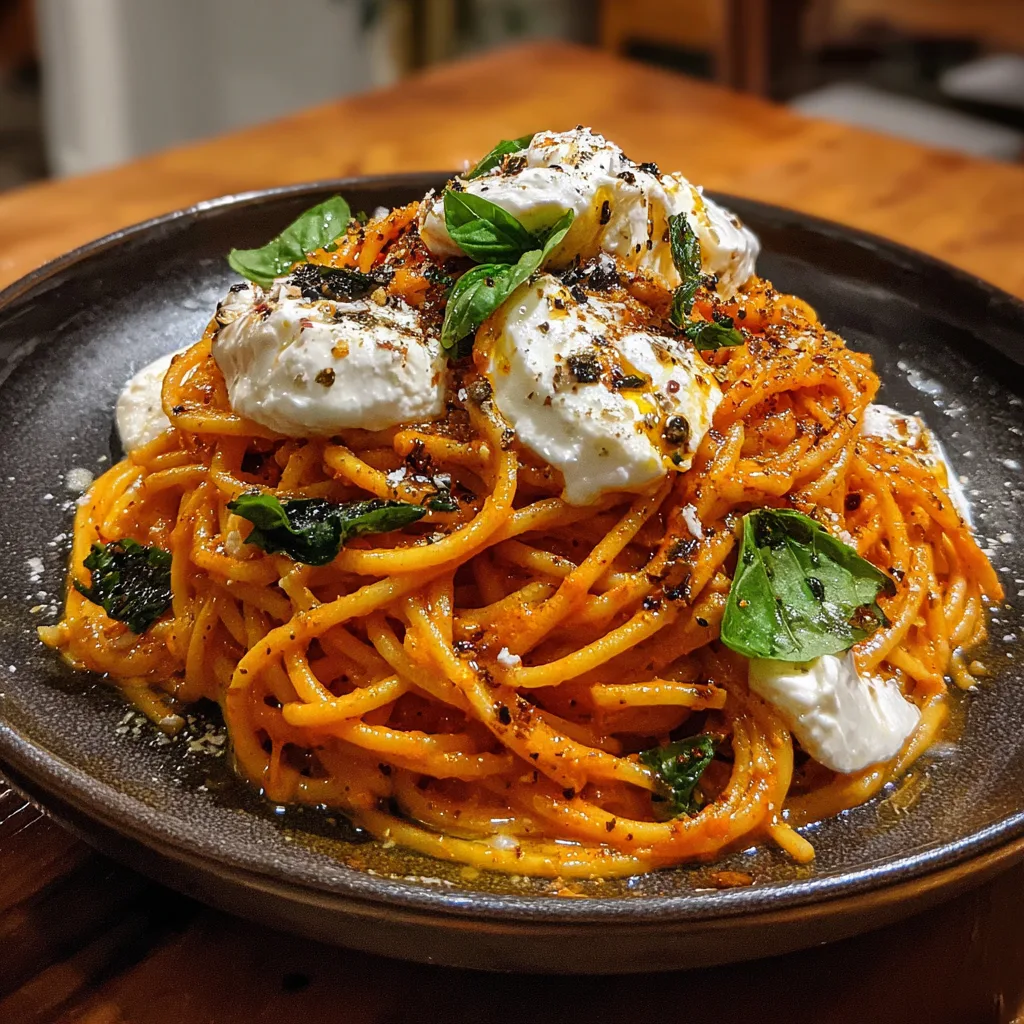
- Serve: Divide the pasta among bowls. Tear the burrata balls open and place generous chunks on top of the hot pasta. Scatter fresh basil leaves over the dish. Finish with a drizzle of high-quality olive oil, flaky sea salt, and extra cracked black pepper. Serve immediately.
Choosing the Right Cheese: Burrata vs. The Rest
This recipe calls specifically for Burrata, and for good reason. Burrata is essentially a shell of solid mozzarella filled with cream and soft cheese curds (stracciatella). When you cut into it, the filling spills out, providing a stark temperature and texture contrast to the hot, spicy pasta. The milky, mild flavor of the cheese calms the heat of the chili flakes, acting as a palate cleanser between bites.
If you cannot find burrata, fresh high-moisture mozzarella balls (bocconcini) are a decent substitute, though they lack the creamy interior. Whipped ricotta is another excellent alternative; simply whip whole milk ricotta with a little olive oil and salt until fluffy, then dollop it on top. Avoid using low-moisture, block mozzarella (the kind you use for pizza), as it is too rubbery and salty for this delicate application.
Tips for the Perfect Pasta Consistency
The biggest mistake home cooks make with pasta is overcooking it before it hits the sauce. Remember, pasta continues to cook even after you drain it. By pulling it out of the water when it still has a slight “bite” in the center, you ensure that it maintains its structure when tossed in the hot skillet.
Additionally, the “pasta water step” is non-negotiable. That cloudy, salty water is liquid gold. It contains starch released from the noodles, which helps emulsify the sauce. Without it, your sauce might be greasy or too thick. With it, your sauce becomes a restaurant-quality glaze.
Variations to Spice It Up
While the classic version is perfect, you can easily customize this dish:
Protein Additions
For a meatier version, start by rendering pancetta or bacon in the pan before adding the onions. remove the crispy bits and sprinkle them on top at the end. Grilled chicken or sautéed shrimp also pair wonderfully with the vodka sauce. Add the shrimp during the last few minutes of cooking the sauce so they don’t become rubbery.
Veggie Boost
If you want to sneak in some greens, add baby spinach to the skillet right before you add the pasta. The heat of the sauce will wilt it in seconds. Roasted cherry tomatoes can also be added for bursts of sweetness.
The “Drunkless” Version
If you cannot use alcohol, you can substitute the vodka with water and a squeeze of lemon juice. While you will miss the specific chemical reaction vodka provides, the lemon juice will mimic the brightness that the alcohol usually imparts.
Storage and Reheating
Cream-based pastas are notoriously difficult to reheat, as the emulsion tends to break, leaving you with oily pasta. However, with a little care, leftovers can be delicious.
Storage: Store the pasta in an airtight container in the fridge for up to 3 days. Store the burrata separately if possible; do not reheat the burrata.
Reheating: Reheat the pasta on the stove over low heat. Add a splash of water or milk to the pan to loosen the sauce. Stir gently until warmed through. Do not use the microwave if you can avoid it, as the high heat will cause the butter and cream to separate instantly.
Conclusion
Spicy Vodka Spaghetti with Burrata is a celebration of simple ingredients treated with respect. It transforms a humble tube of tomato paste and a splash of spirits into a dinner that feels luxurious and special. The interplay of heat, cream, acid, and herbs creates a symphony of flavors that is impossible to resist.
So, the next time you are debating between ordering takeout or cooking, reach for the skillet. In less time than it takes for delivery to arrive, you can have a steaming, fragrant bowl of gourmet pasta on your table. Pour a glass of wine, tear some fresh basil, and dig in. You deserve it.


